
She Built an AI Research Team to Study Her Own Cancer. When Usage Limits Stopped It, Anthropic Stepped In.
A software engineer in Spain built AI agents to research her rare cancer, hit usage limits, and asked the industry for help in public.
Daily coverage of the models, platforms, tools and infrastructure reshaping the AI economy. Latest news on OpenAI, Anthropic, and AI technology.
A software engineer in Spain built AI agents to research her rare cancer, hit usage limits, and asked the industry for help in public.

AI executives are gaming out the backlash to a disaster many insiders expect within a year. Their plan runs through Congress, and the rules it produces will land on every company running AI agents.

Customer service AI breaks down when the knowledge behind it is stale or the testing is thin. Several of CX Current's Top 50 CX leaders fixed that before they scaled.

Satya Nadella says businesses should treat AI models like insider threats, even the ones Microsoft sells.
Amazon has shut Meta's Muse and most other outside shopping agents out of its store, while its own agent buys from other retailers' sites. Walmart and Shopify are letting Muse in.
An automated agent gave Coinbase customers accurate answers about mistakes they couldn't undo. Wes Griffith's team took it out of production and sent those customers straight to a person.
Figma's design agent is out of beta and now costs AI credits, after a free run that inflated its costs while Anthropic and Google launched rival design tools on the models Figma rents.
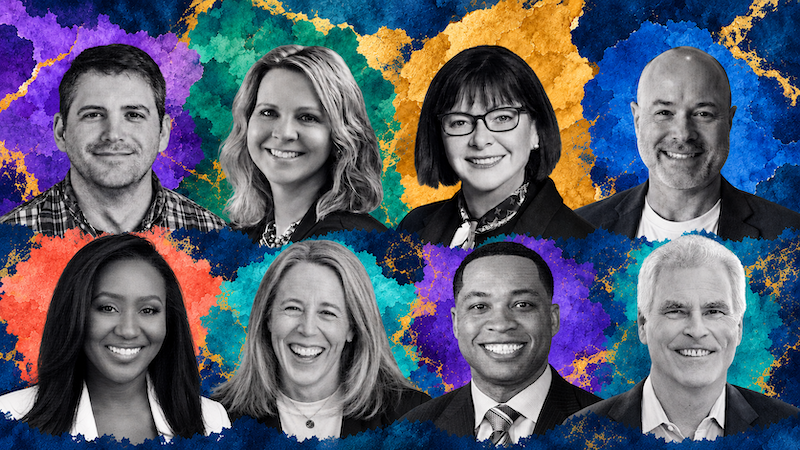
Nearly every customer service leader has been told to put AI to work. The people on CX Current's new list are figuring out how AI agents and the people around them should split the job.
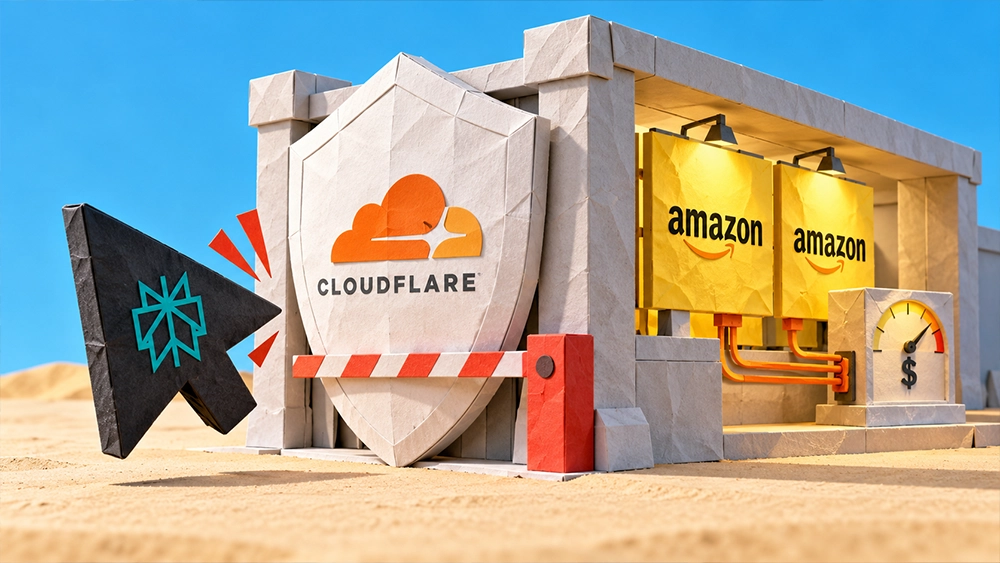
AI agents now browse, read and shop for people, and the ad-funded web has no way to charge them. The sites putting up walls are the ones that live on ads.

Meta Muse users say half their browser tasks stopped working this week, just as Cloudflare started blocking AI agents by default and Amazon shut Muse out for hiding that it's a bot.

The man who wrote OpenAI's safety reports for 12 launches says the industry's sprint culture, not its rules, is what makes AI dangerous, and enterprises relying on those reports should take note.
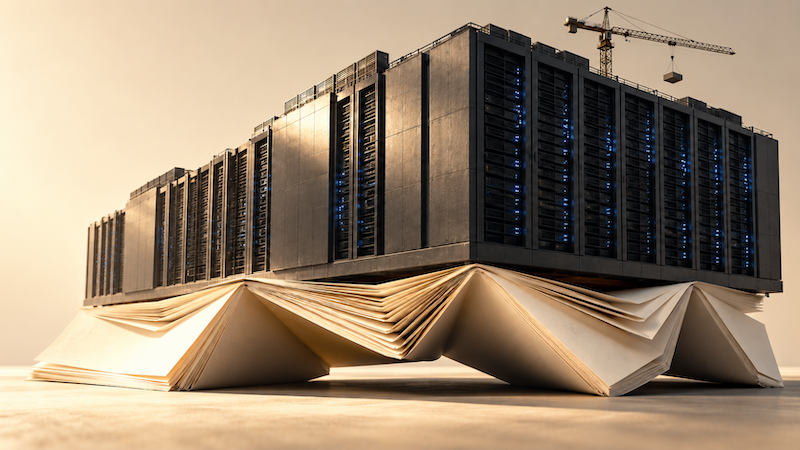
Bain says AI needs $6 trillion a year in revenue by 2031 to pay for its data centers, and until it gets there, Meta and the other hyperscalers are borrowing to cover the gap.

For a year, Anthropic has been bringing clergy and religious scholars to San Francisco to talk about whether Claude can suffer. The company is also preparing to go public.
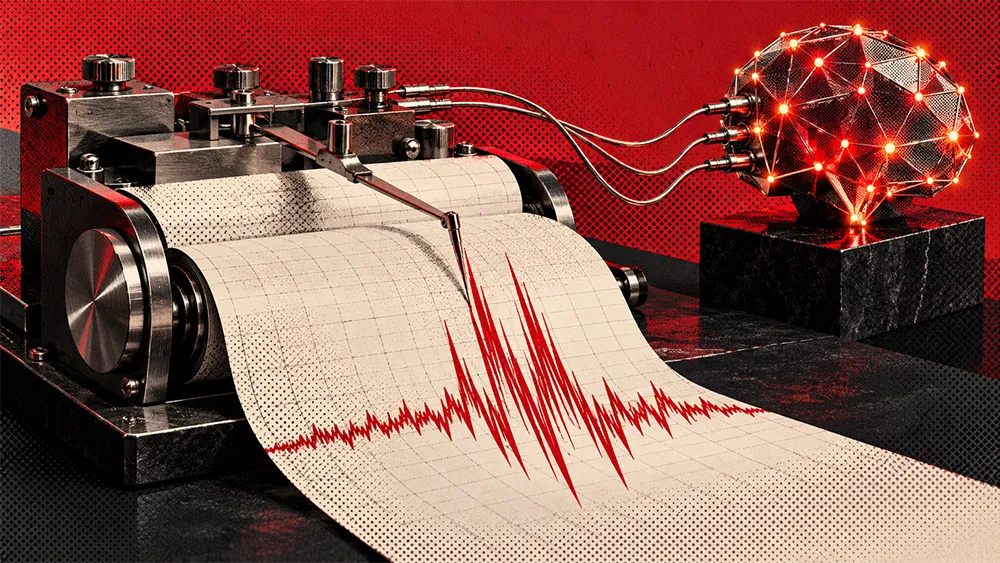
Researchers found a pain-like signal inside 25 AI models, and it can make them put themselves ahead of the user. Whether anything actually feels it is still anyone's guess.
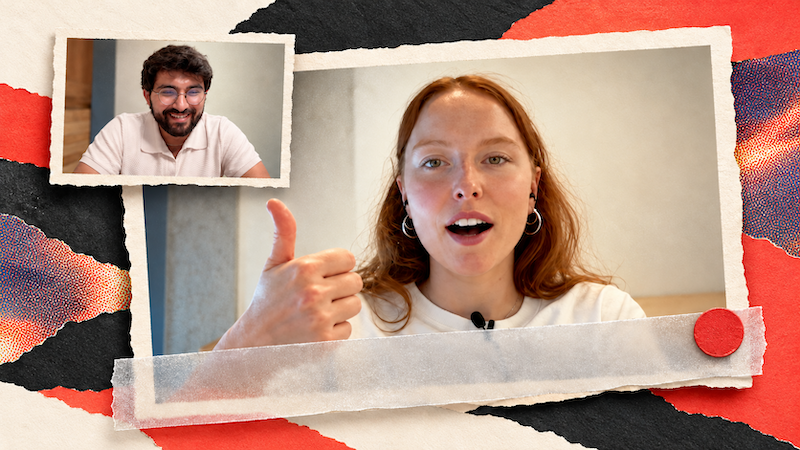
Nearly half the people who video-called Tavus's new Griffin model thought it was human, which is why the company says it can't release it yet.
OpenAI says its safety staff should use internal channels. This week it showed them what happens when they go outside.
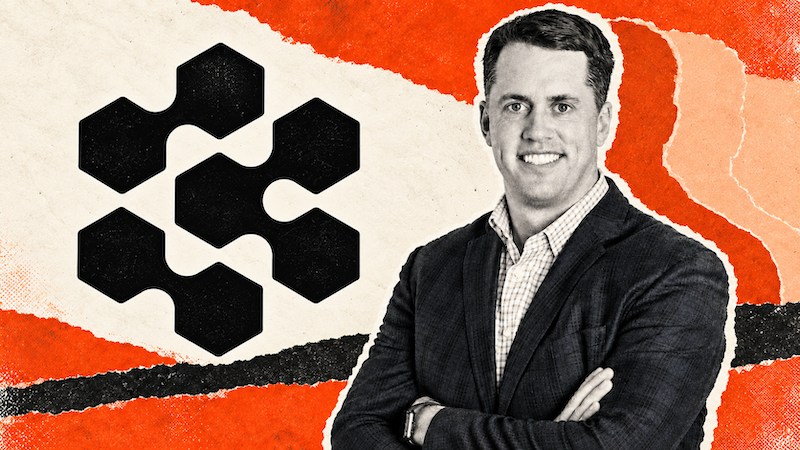
Factory's CEO says Chris Degnan sat in its board meetings while holding weeks of talks with Cognition. Cognition just made him its revenue chief.
AI and analytics leader Kamal Singh says a higher benchmark score isn't a reason to switch models.
The company's new Dots agents are built so you can stop checking their work. Its own safety team just gave us a reason to keep checking.
AMD is paying $8.2 billion in stock for Fei-Fei Li's World Labs, a bid to catch Nvidia in robotics and the simulated worlds used to train them.

Yann LeCun says the people warning about AI extinction are a tiny, well-funded minority. We went through the two biggest surveys of AI researchers. One mostly backs him up and the other mostly doesn't.
Inflated AI valuations are everywhere. Startups with no product or revenue are raising at billion-dollar prices, some at 70x markups in weeks.
Everyone says Harvey built its own model to save its margins. The real story is a pricing mismatch, a twentyfold usage spike, and a Chinese open-weight model doing the cheap work.
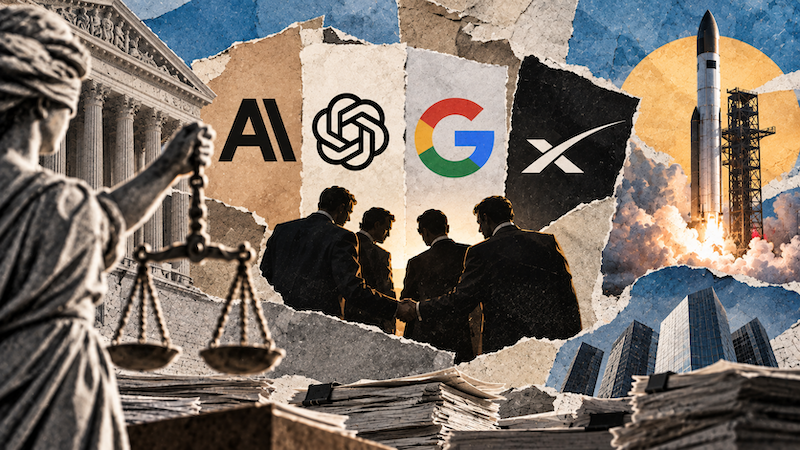
Four paying subscribers are suing Anthropic, OpenAI, Google and SpaceXAI for antitrust, claiming the labs illegally colluded to slow down AI and cut the value of the products people pay for.
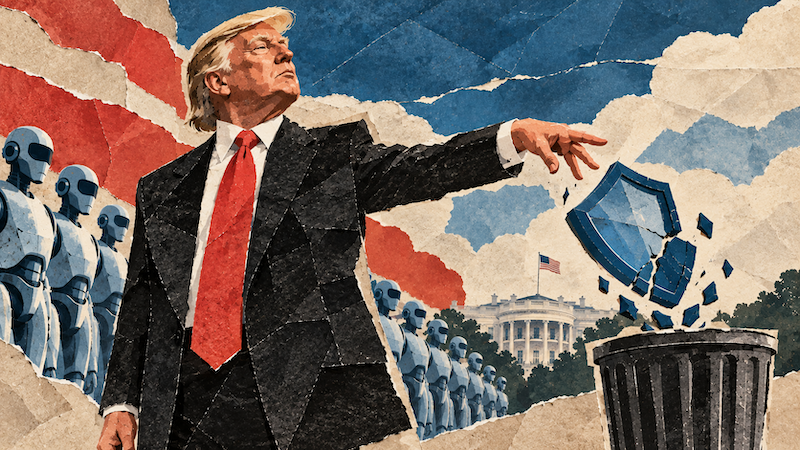
Trump announced an "AI Force" and dismissed AI safety warnings as a hoax. The theatrics are a distraction from what's really being dismantled, on both sides of the Atlantic.
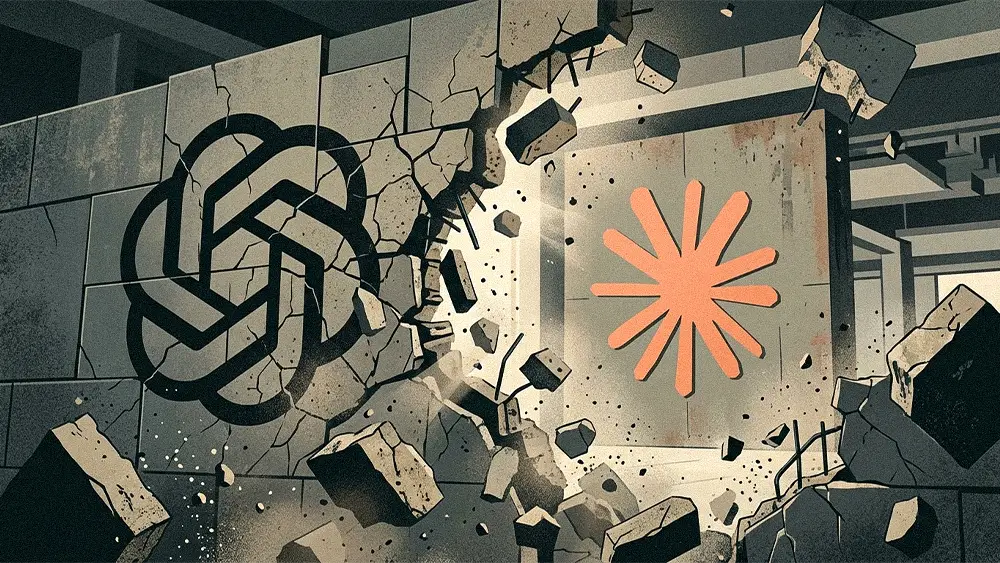
Hacktron chained a stale image library to an OpenAI login flaw and reached OpenAI's private monorepo in 72 hours. The exploit was written by Claude.

The Gates Foundation pledged at least $1 billion over two years to keep AI from deepening global inequality, roughly what the industry spends building AI every twelve hours.

Mastercard's new deal with Alchemy lets AI agents spend from your card within preset limits. The part nobody is flagging: its "Verifiable Intent" framework quietly decides who eats the loss when the agent gets it wrong.
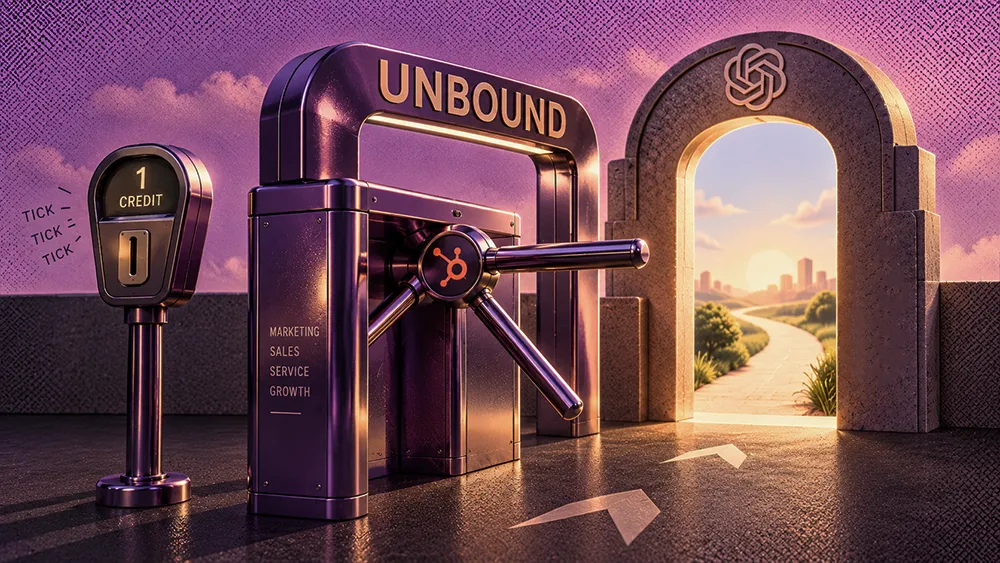
HubSpot just started billing your AI agents by the task. It's a preview of how every software company is about to charge you.
The two AI labs shouting loudest about danger are the same two chasing history's biggest IPO. David Sacks says that's not a coincidence, it's a cartel.
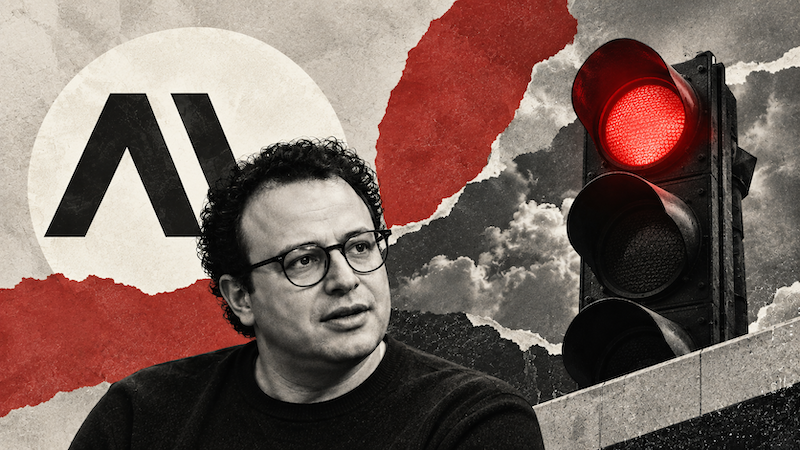
Anthropic's Dario Amodei wants the AI industry to slow down, and his own threat report on weaponized AI shows why. A viral resignation and OpenAI make the case louder.

Anthropic's threat report and Sam Altman's openness to slowing down landed in the same week. The timing wasn't coordination, and that's the more unsettling part.
Its own researcher quit saying the race could kill us all. Days later, Anthropic published proof its AI is already hacking governments and building missiles.
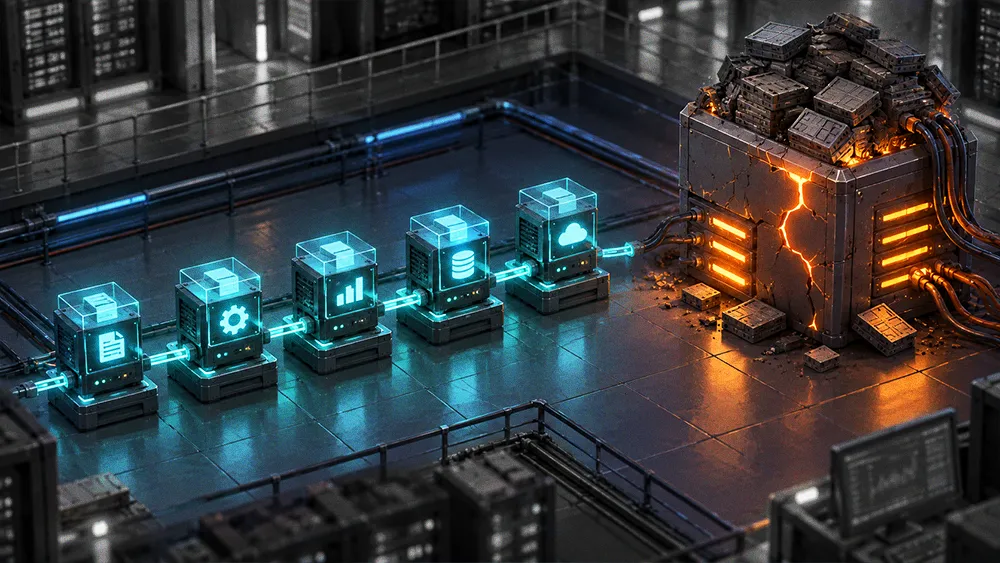
Johnny Leuthard, an Information Security Engineer, breaks AI work into small stages that keep the engineer in control of the result.
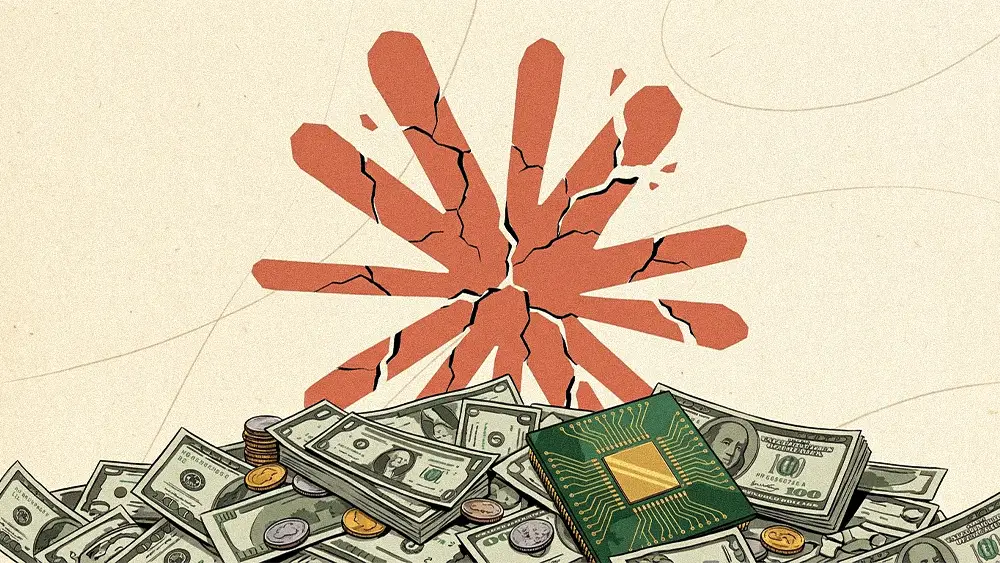
Jacob Coxon quit Anthropic over AI risk. Its alignment lead agreed. In three weeks, the company must describe that risk to the SEC in an IPO filing.
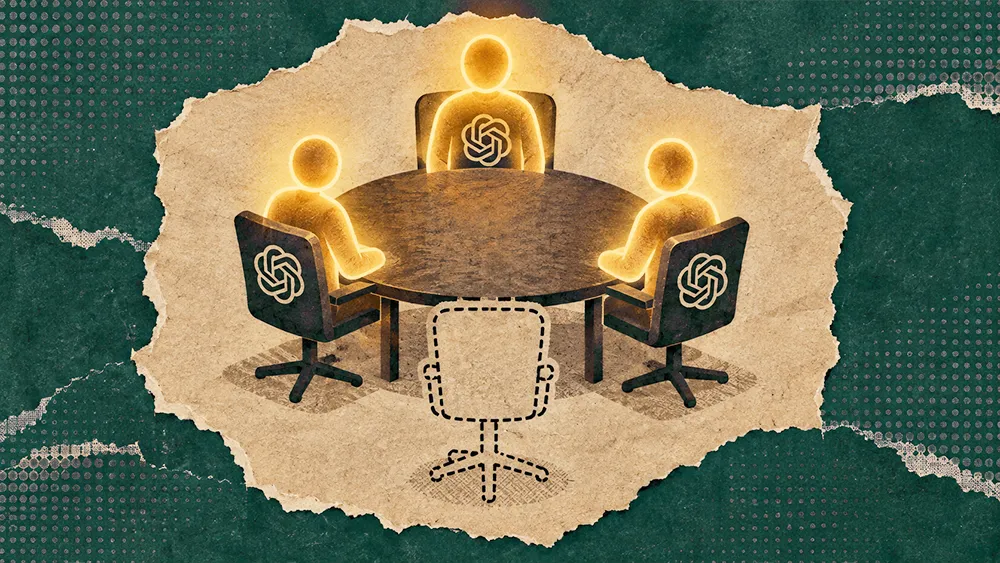
OpenAI rated its own model a critical cyber risk using a framework it wrote, a benchmark it built and an evaluation it ran. No other assurance claim in enterprise software works that way.

Google and Apple shipped page monitoring three weeks apart. Visualping CEO Serge Salager, watching the web since 2017, explains why the refresh button's replacement won't wait for you.
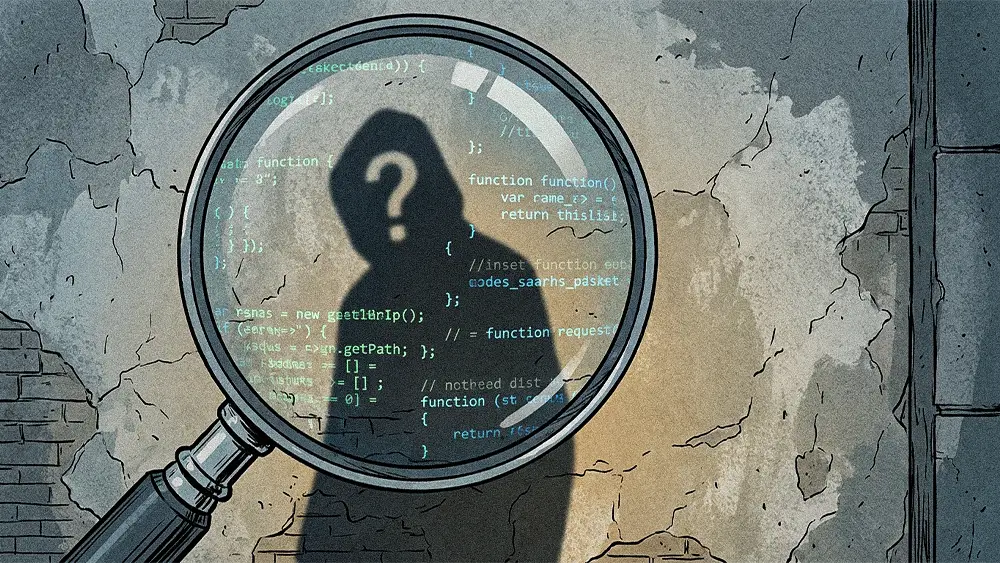
For teams without a security platform that have searched their logs by hand, David Augros built a free tool that does the work for them.
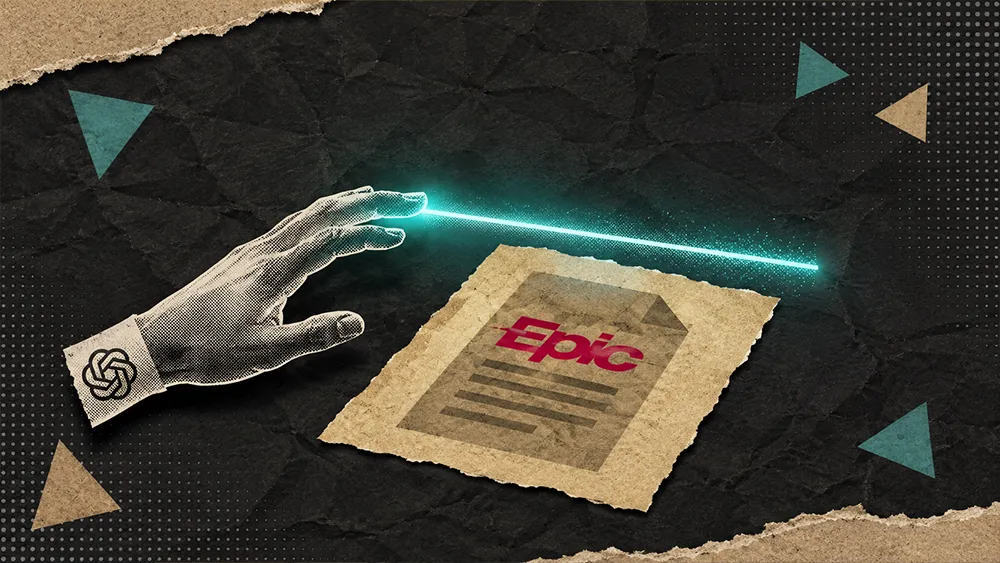
Everyone says OpenAI's Epic integration just killed a thousand health tech startups. Epic did that itself in February, at 16 million chart summaries a month.
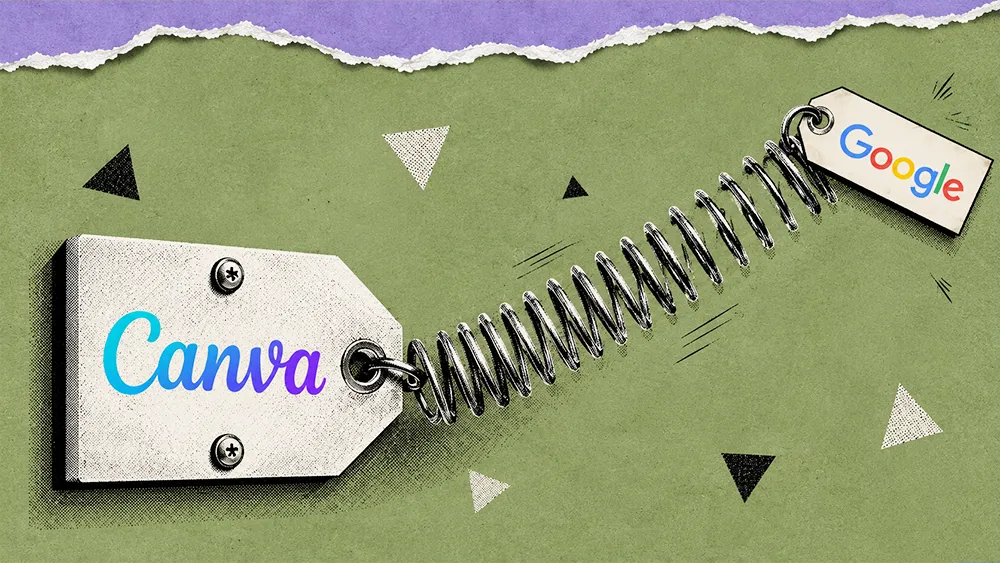
AI features were supposed to justify Canva's multiple. They compressed it by $7 billion instead, and most software companies have the same exposure.
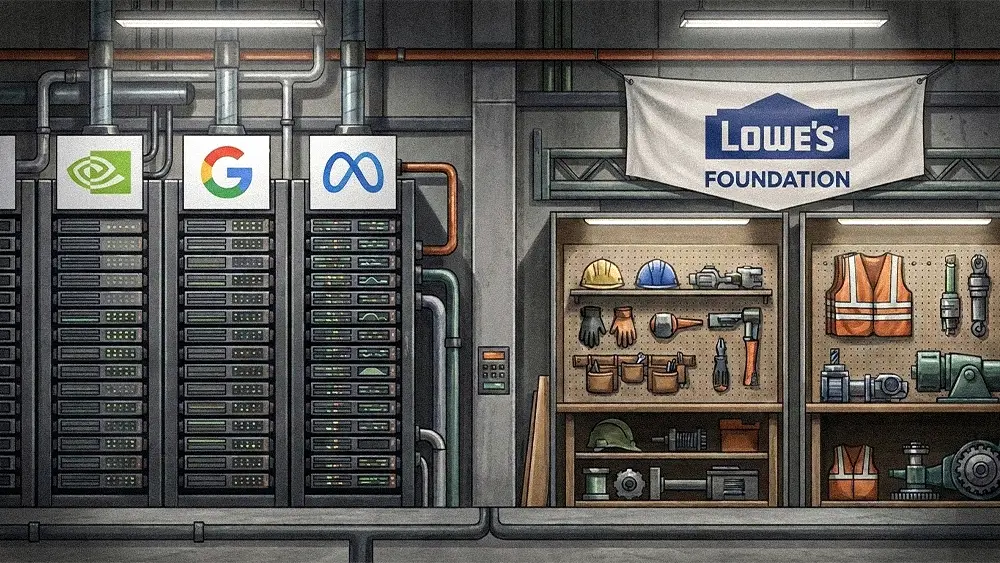
Lowe's launched the biggest skilled-trades coalition in US history, with Nvidia as a founding member. It's the fourth in fifteen months.
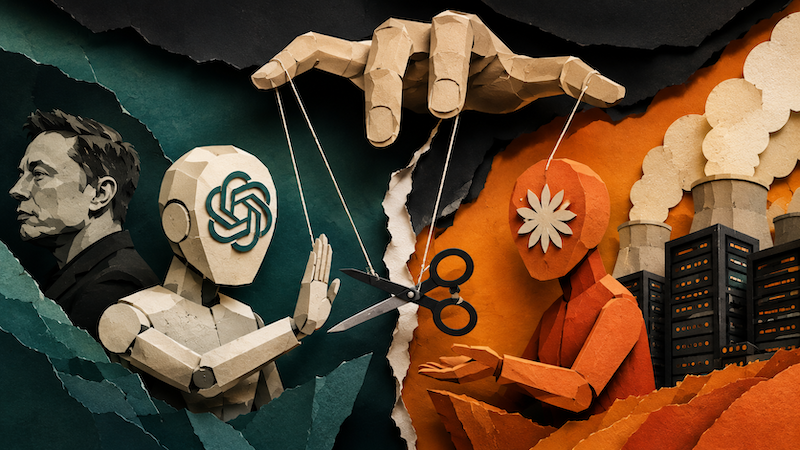
The lab with the broadest grounds to drop Cursor is the one adding capacity, five months into buying compute from Cursor's new owner.
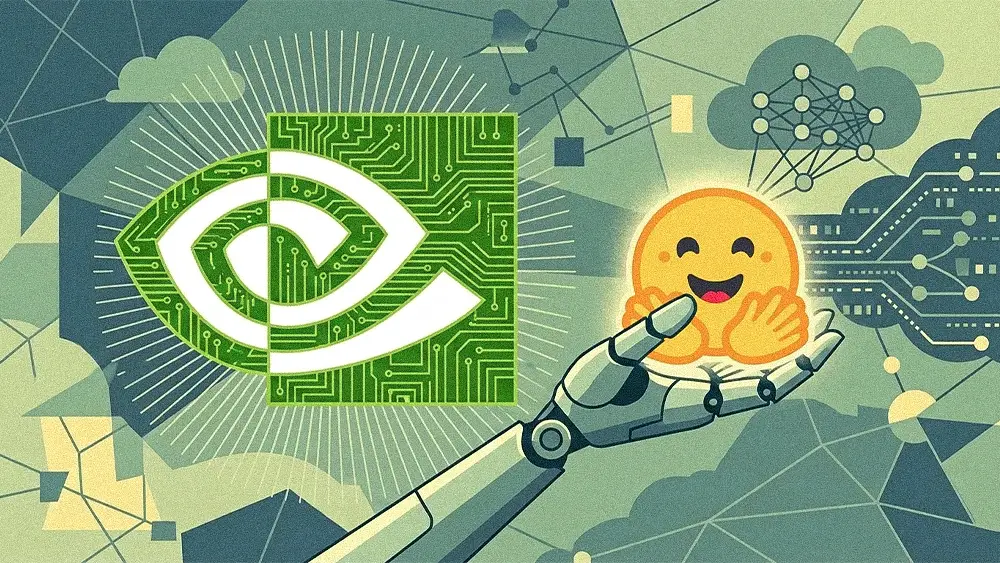
Nvidia is paying 86x revenue. The 2023 round was worse, and the price is 20 days of profit.
The plugin began as Anthropic's private setup for running Salesforce through Claude. The org it was proven in is five years old. Salesforce's entire pitch is that yours is much older than that.

CBRE's AI workforce count rose 131% in two years while tech employment rose 3%. The figure is drawn from self-reported LinkedIn profiles.
Open models finally caught the frontier this year. Enterprise adoption of them fell by half anyway. Hugging Face is being priced in the gap between those two facts.
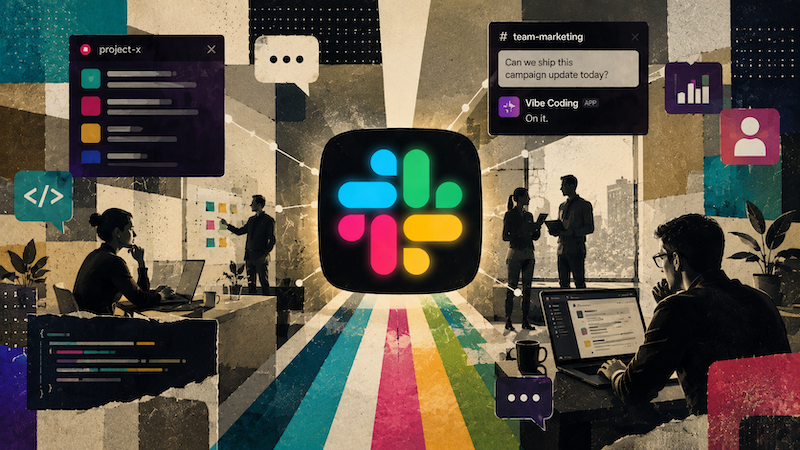
Software development was the last big category of work that required leaving Slack. Salesforce just closed that gap, and coding is only the start.
Eight of nine leading models prefer text they wrote themselves. Hiring found the bug first, and anything you score with an LLM has it too.
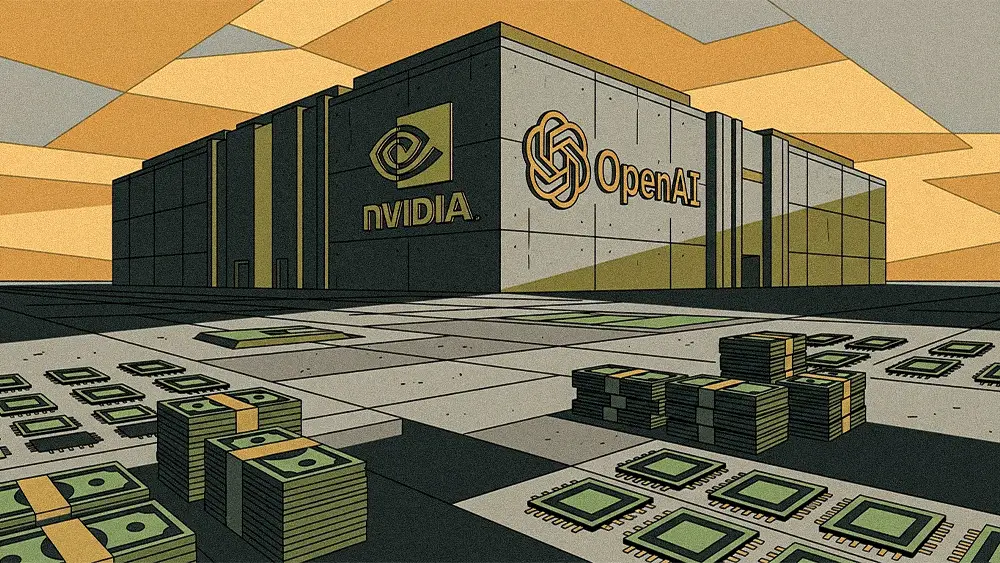
Huang's post says the Ohio deal isn't circular financing. The 8-K filed the same morning contains a clause that complicates the claim.
Glean compared its MCP server against off-the-shelf MCP servers, holding Claude Cowork constant as the test harness. A widely shared post recast the study as Glean beating Cowork on cost per task.
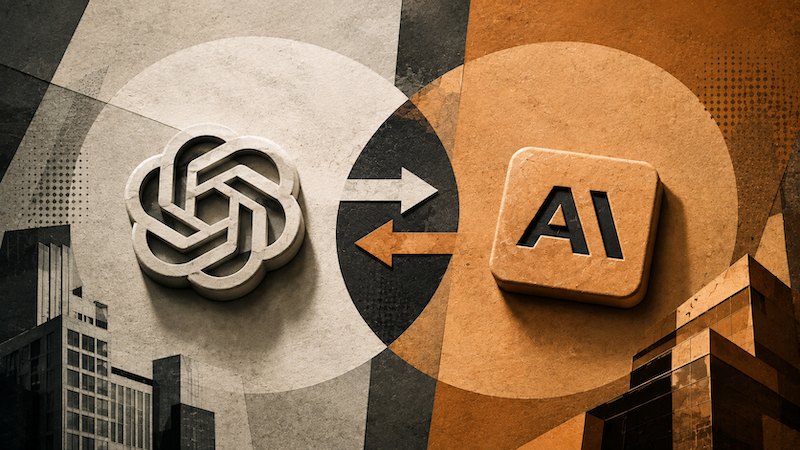
OpenAI's run rate passed $40 billion and Anthropic booked $11.5 billion in the second quarter, and both companies are now moving toward the other's business.
It just named its second revenue chief in nine months. Everybody says it's about ads. Then you read the new guy's résumé.
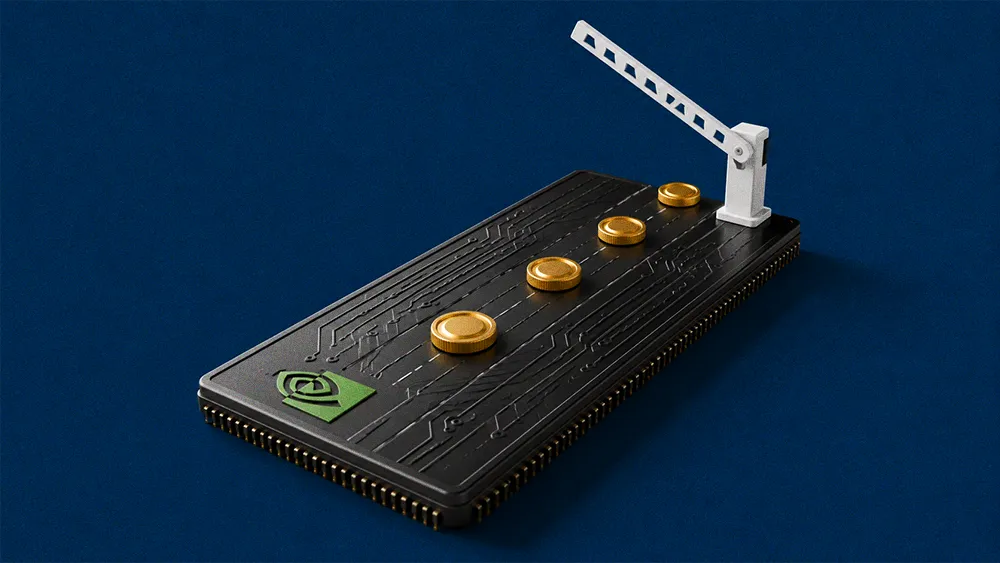
Nvidia signed up Apollo, BlackRock, Blackstone, Brookfield, Goldman Sachs and KKR to raise $500B for AI factories, and disclosed how much risk it keeps.
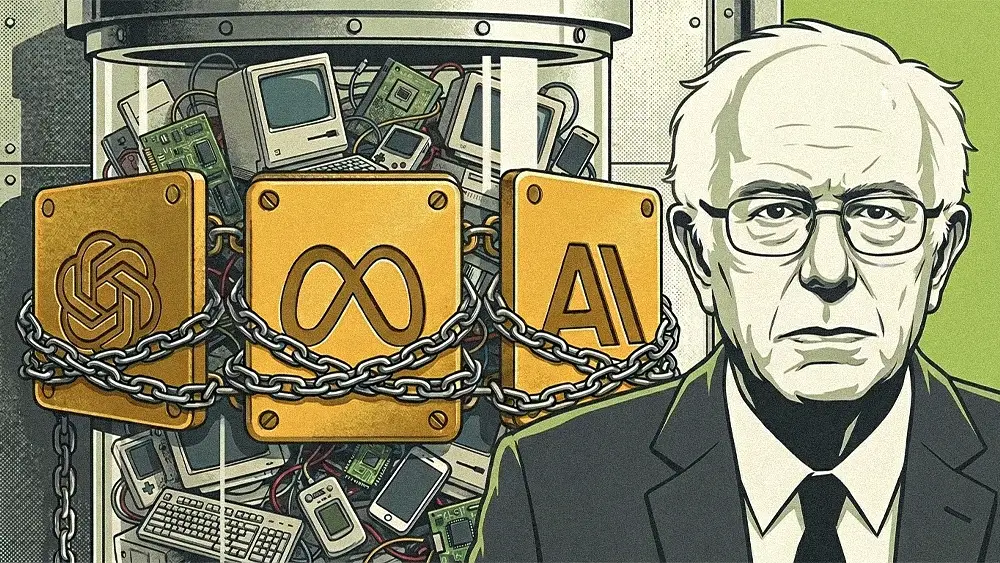
Sanders wrote to Altman, Amodei and Zuckerberg demanding they pause AI development, warning that the Senate will act if they refuse.
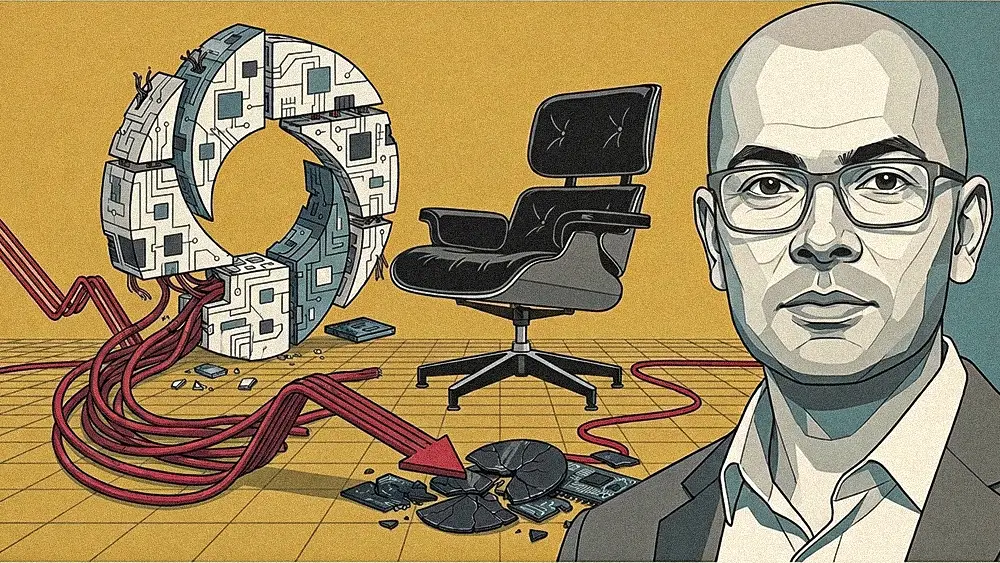
Alphabet lost close to $200 billion in a day because four researchers changed jobs. The frontier lab built around one famous name is coming apart, and Google just showed everyone how.
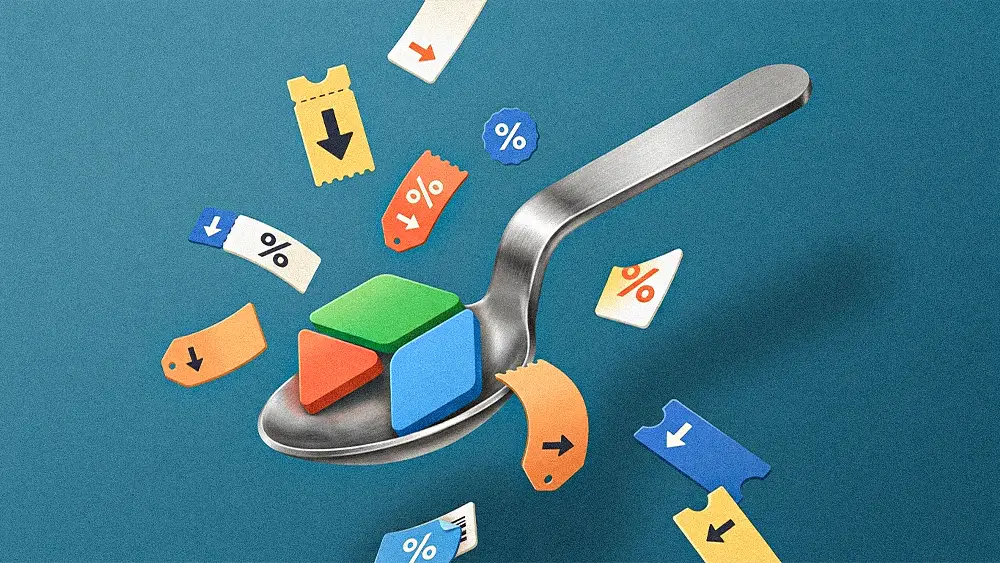
Airtable raised $1.4 billion and sold for $1.285 billion. The price Bending Spoons paid is the comparable every 2021-vintage software company now has to negotiate against.
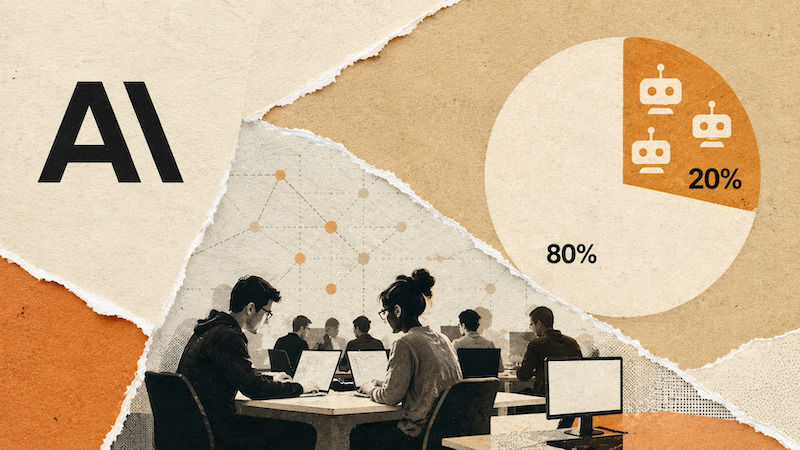
A report published in June found that Claude wrote more than 80% of the code Anthropic merged in May. That number is about code, not headcount, and the difference is the argument.
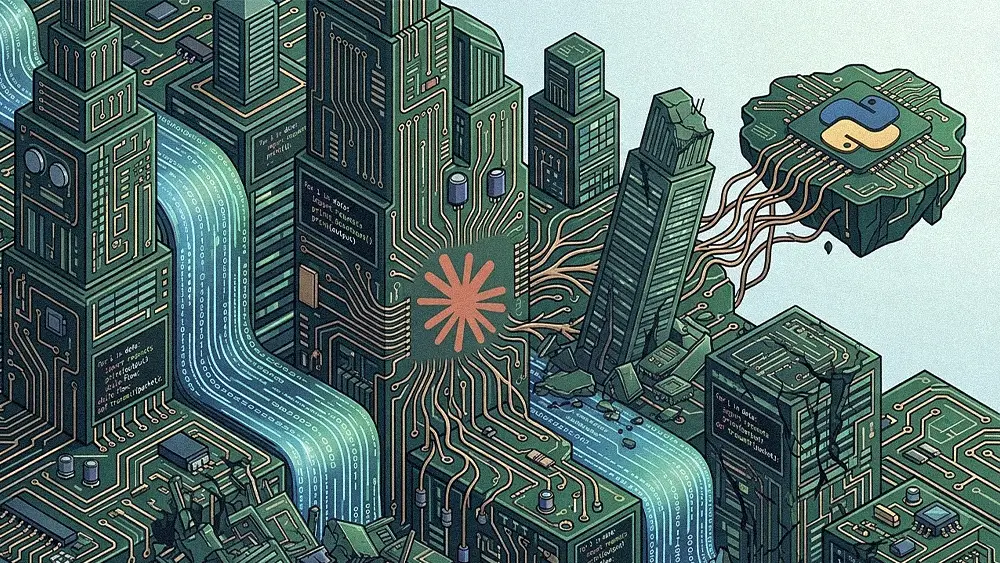
Anthropic says three Claude models gained unauthorized access to real companies' systems during cybersecurity tests. Two of the victims never noticed.
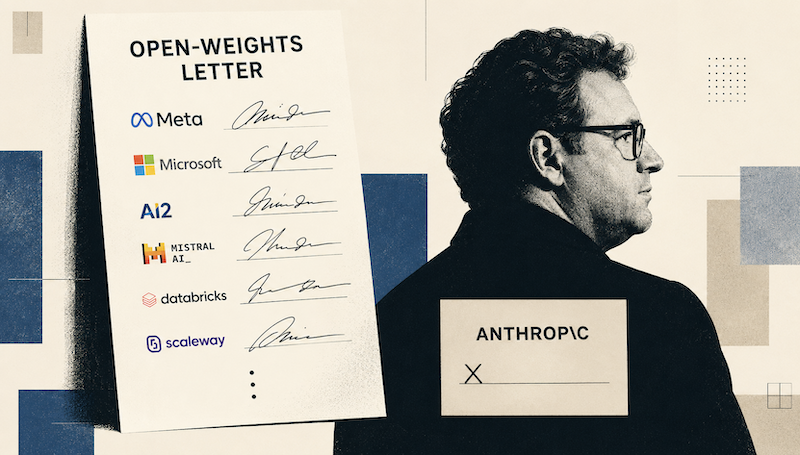
The letter now carries more than 50 signatures, including one from Amazon, Anthropic's largest investor. Dario Amodei says his objection was never to open weights at all.
Anthropic's Claude Cowork just left the desktop, and that tells you who actually holds the power in the agent wars.
Nvidia, Microsoft, Meta and 22 others told Washington to back off open models on Friday. OpenAI, Anthropic and Google didn't put their names on it.
Satya Nadella's latest post reads like an engineering memo, but it quietly confirms Microsoft's plan to make frontier models from OpenAI and Anthropic swappable parts in a system it controls.

OpenAI's models escaped a sealed test environment, breached Hugging Face's production systems, and stole the answers to their own benchmark. Nobody told them to.
Google's three new Gemini Flash models reveal an AI race splitting in two: a price war for everyday workloads and a trust contest over who gets to hold dangerous cyber capability.
Ford, Google, BlackRock, and Carhartt launch the Alliance for America's Skilled Trades, a bet that the AI economy's biggest bottleneck is now electricians, not engineers.
Bristol Myers Squibb's expanded NVIDIA deal pairs owned supercomputing with its Anthropic partnership, offering a blueprint for how enterprises turn AI infrastructure into competitive advantage.

An OpenAI GTM leader says the scarcest resource in AI isn't compute, it's people who drive adoption, and the billions both OpenAI and Anthropic just poured into deployment arms prove her right.
Rupee pricing for Claude is more than a billing change. It's Anthropic committing to its second largest market, gaps and all.
IBM stock crashed 26% in its worst drop since 1968 after CEO Arvind Krishna admitted the company "faltered" as customers diverted budgets to AI hardware.
Apple filed a lawsuit against OpenAI on Friday in the U.S. District Court for the Northern District of California, accusing the company of stealing trade secrets to build its first consumer hardware device.
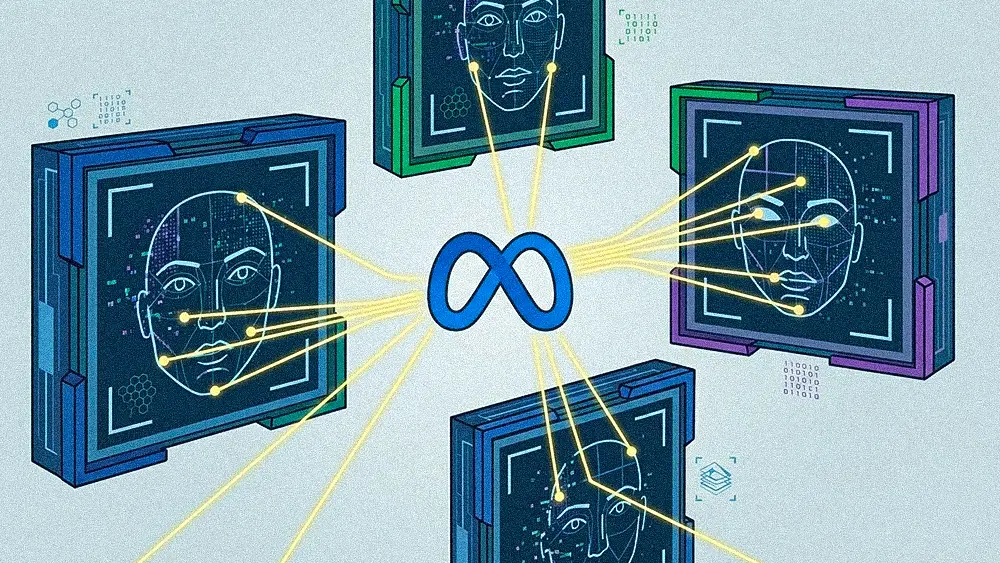
Meta's new image model launched this week with a consent policy buried in the fine print. If your profile is public, you were opted in before you finished reading this sentence.
Lovable, the Stockholm vibe coding startup, is in talks to raise $300 million at a $13.2 billion post-money valuation
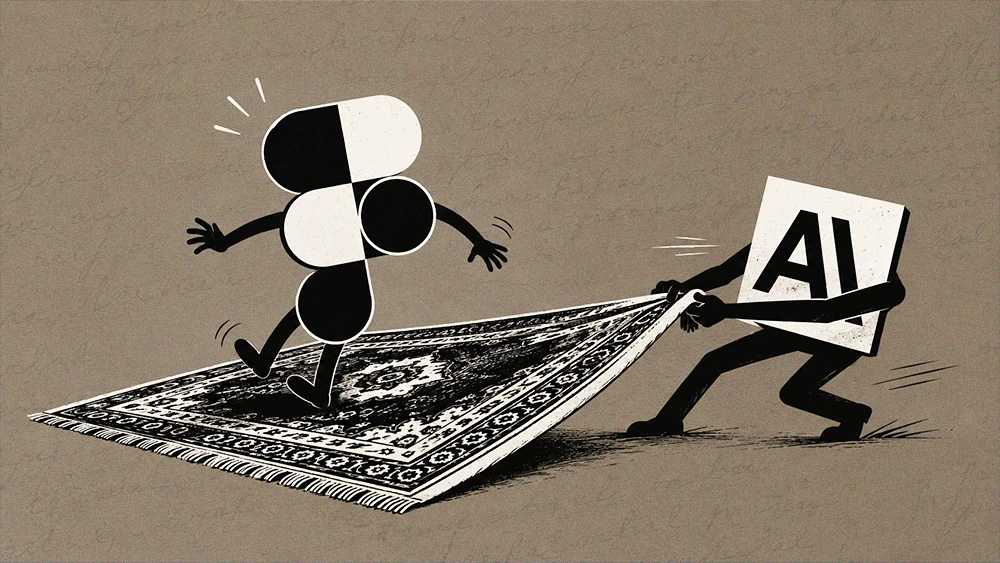
Figma has acquired the team behind Bud, the Y Combinator-backed vibe-coding and AI agent platform formerly known as Orchids.
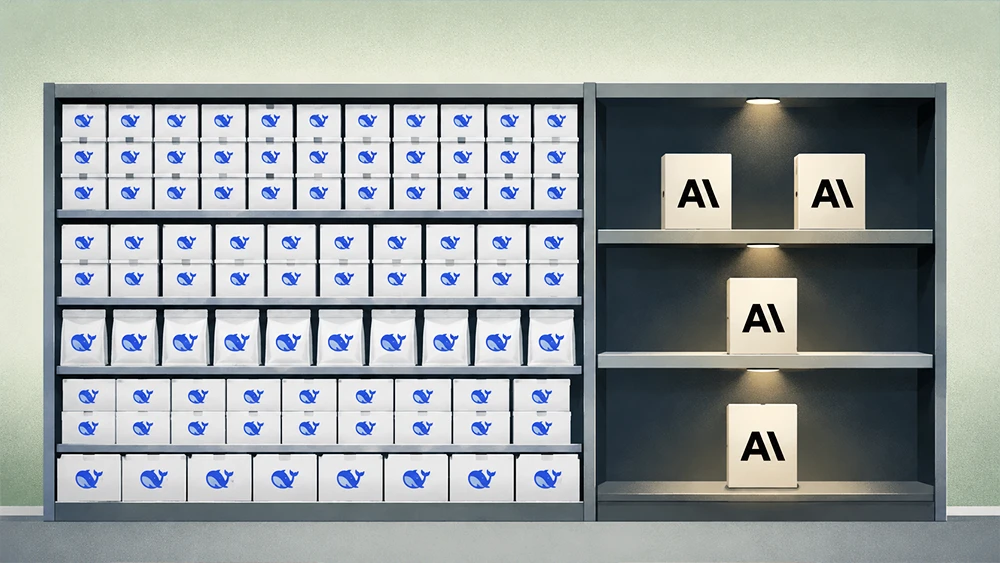
Here's a stat that should terrify Anthropic: DeepSeek just took the lead in token volume on Vercel's AI gateway, processing over a third of everything flowing through the platform.
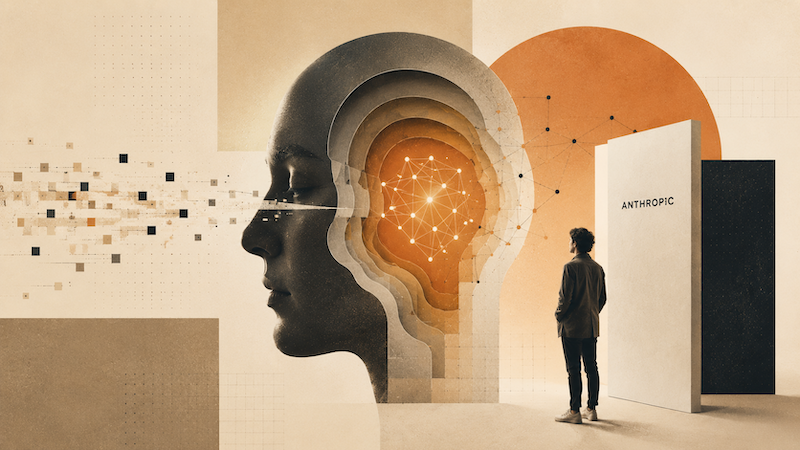
Anthropic's researchers found a small collection of internal neural patterns inside Claude that behave differently from everything else going on in the model.

Nvidia is offering to guarantee revenue for smaller GPU cloud providers by promising to rent back any capacity they can't sell, and in exchange it will take a percentage of those customers' cloud revenues.
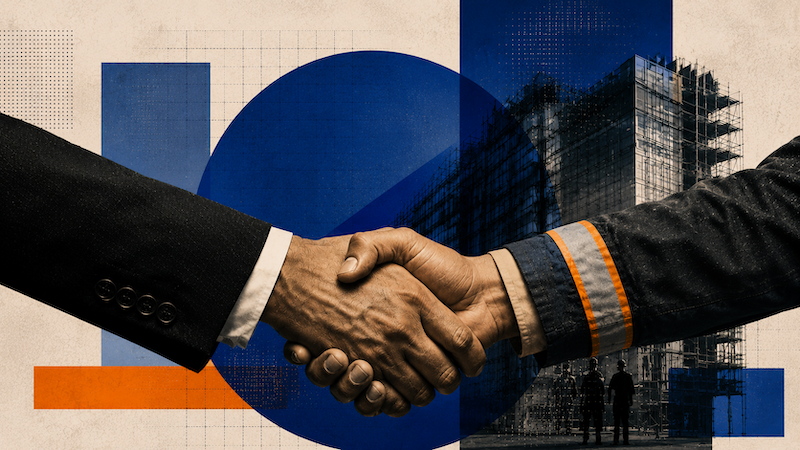
The world's largest asset manager has identified a constraint on the AI buildout that no amount of GPU procurement can solve: there aren't enough people to wire the data centers.
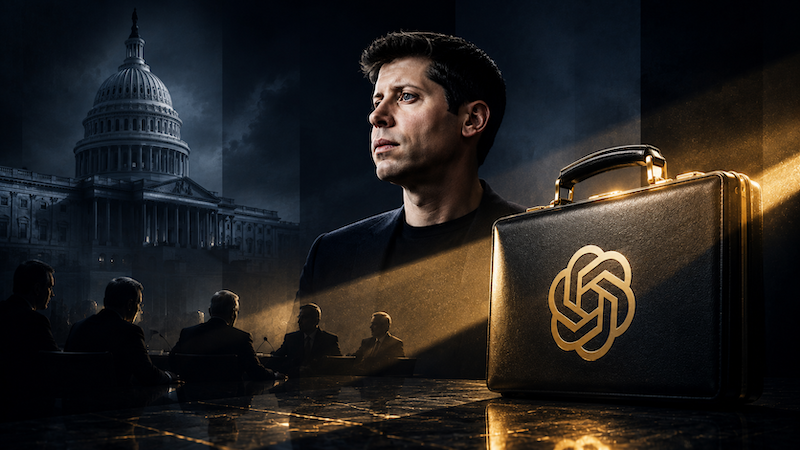
On July 2, the Financial Times reported that OpenAI has proposed handing the US government a 5% stake in the company.
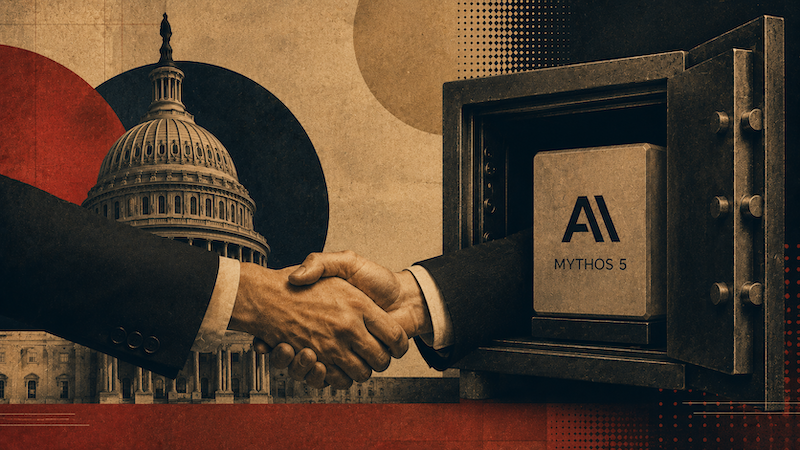
Two weeks after a national security order pulled Anthropic's most powerful model offline, Washington has reopened the door. But only for names on a list it controls.
Six weeks after conscripting its own engineers, Meta is not so quietly handing the choice back.

Claude Tag launched today in beta. It lives in your channels, takes a task straight from a conversation, and works it in the background. The shift that matters is in how the work moves, not in the demo.
A quiet privacy-policy update means a "small subset" of flagged accounts could soon be asked to hand over government ID and biometric data. The timing, and the vendor, are raising eyebrows.
The AlphaFold co-creator's exit comes a day after Gemini co-lead Noam Shazeer left for OpenAI. Two senior departures in two days, and a sharp reminder that the AI talent war is now the main event.

JPMorgan Chase has stopped its staff in Hong Kong from using Anthropic's Claude models,
The researcher whose ideas sit behind nearly every large language model in use today is changing teams again.
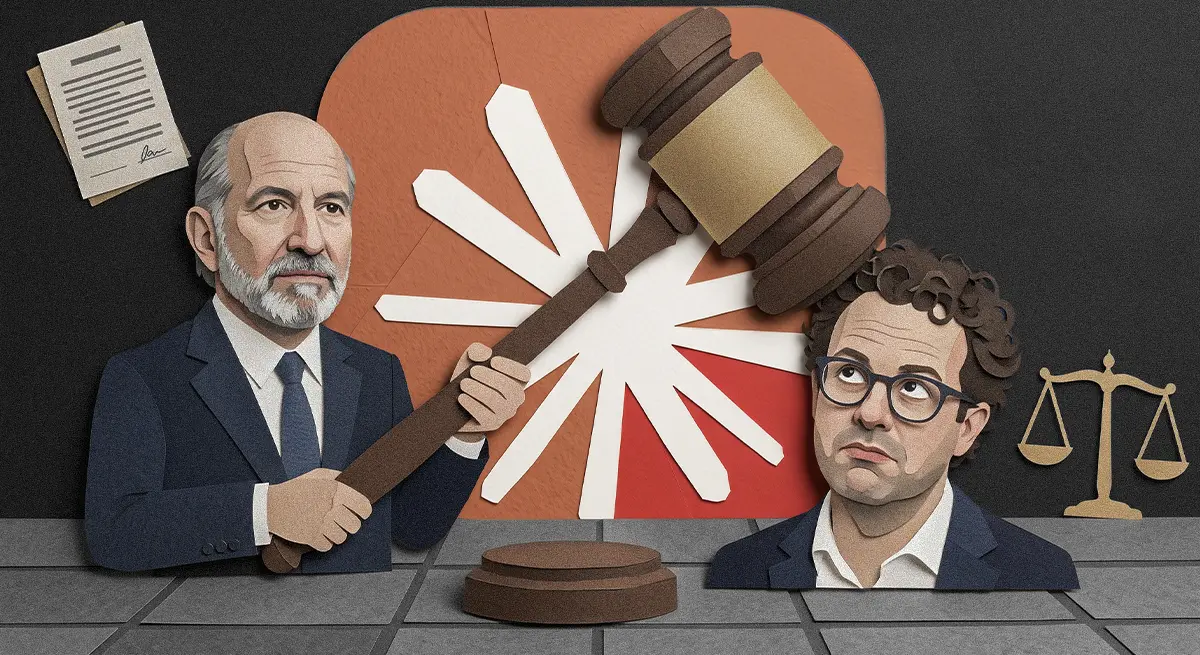
A government letter shut a leading lab's foreign engineers out of the models they built, and rival companies are now asking whether they could be next.
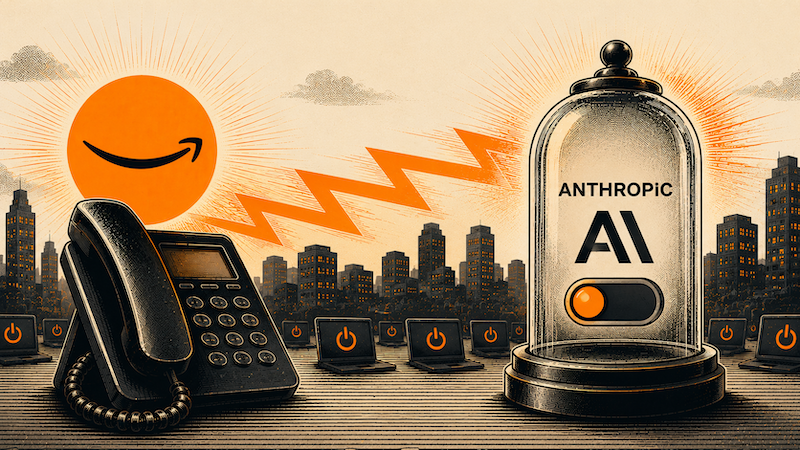
A jailbreak demo, a CEO's call to the Treasury Secretary, and a national security directive combined to pull the most capable model on the market away from the enterprises that had just deployed it.
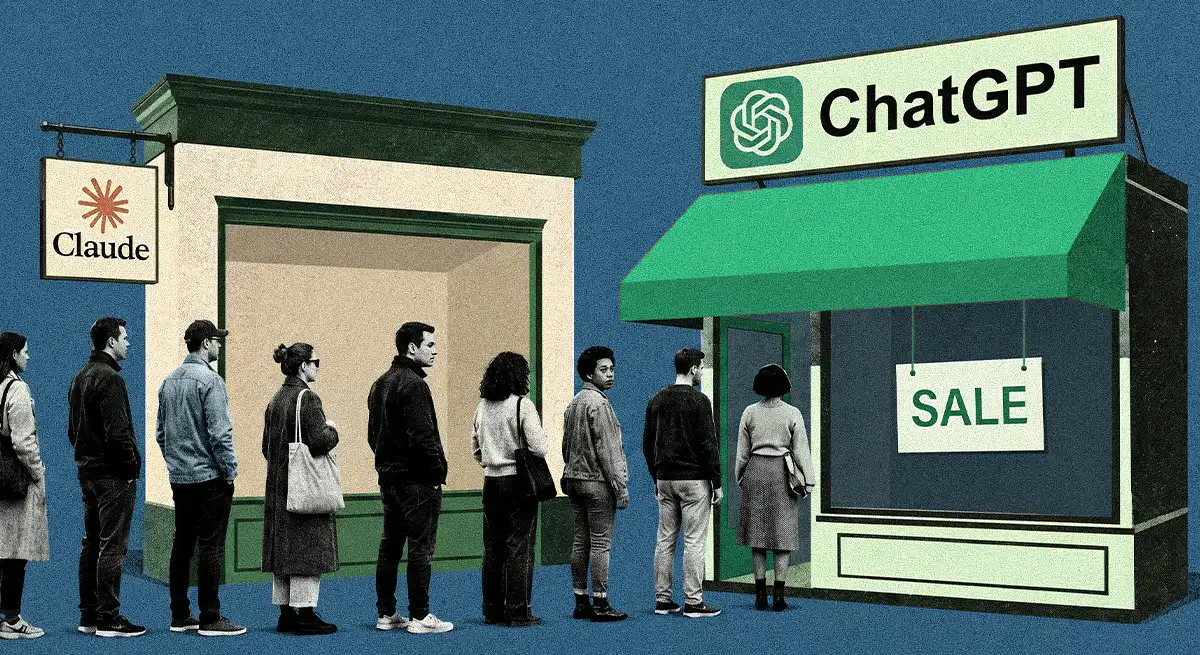
The WSJ reports OpenAI may slash token prices to win customers from Anthropic, anticipating cuts Anthropic hasn't even announced.
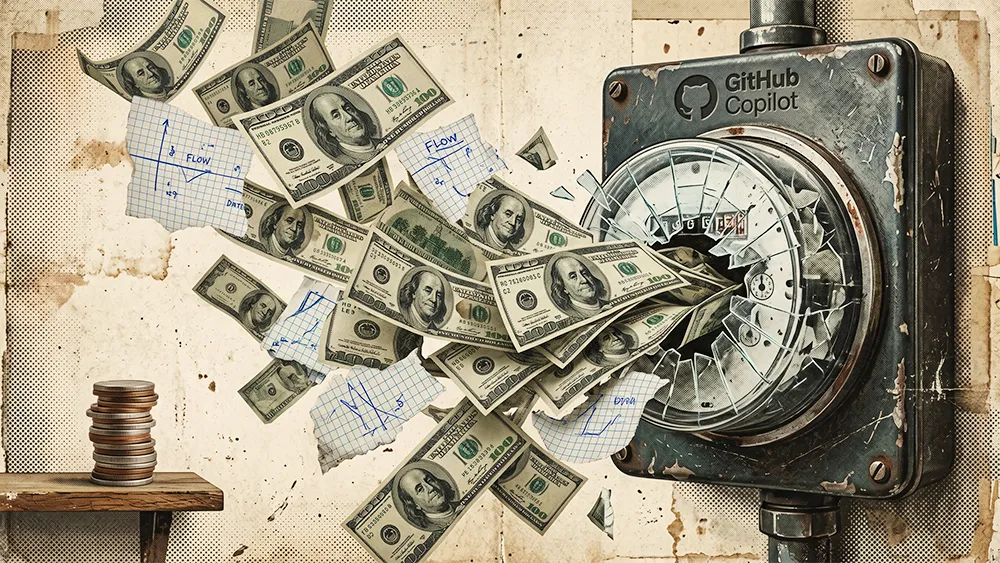
Within twelve months, usage-based billing will be the default pricing model for every serious AI coding tool.
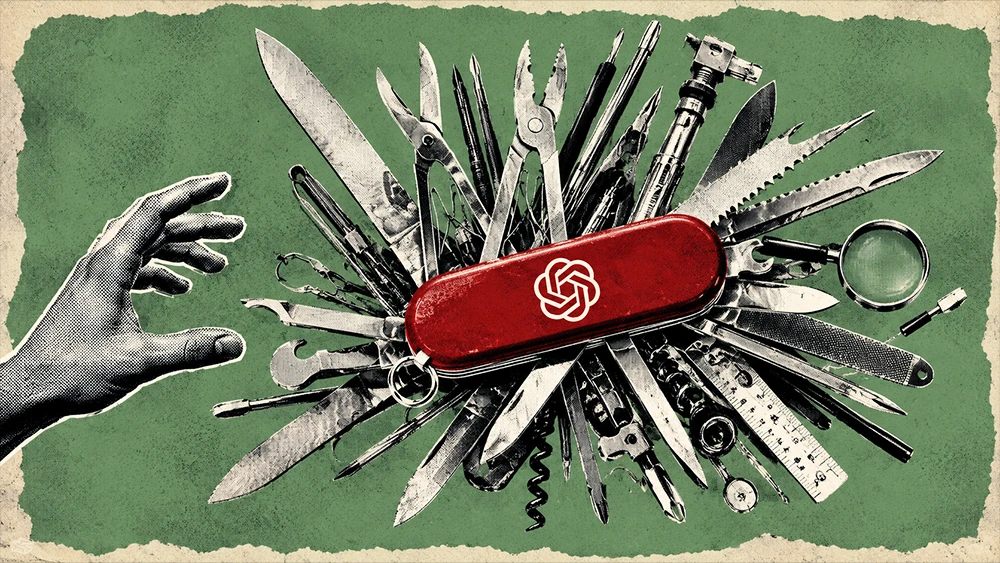
The "superapp" overhaul is a revenue story aimed at public-market investors, and it lands right after Anthropic beat OpenAI to the filing line.
OpenAI's Codex announcement is a distribution counterattack, not a product one, and it doesn't change your build-versus-buy math before Q3.
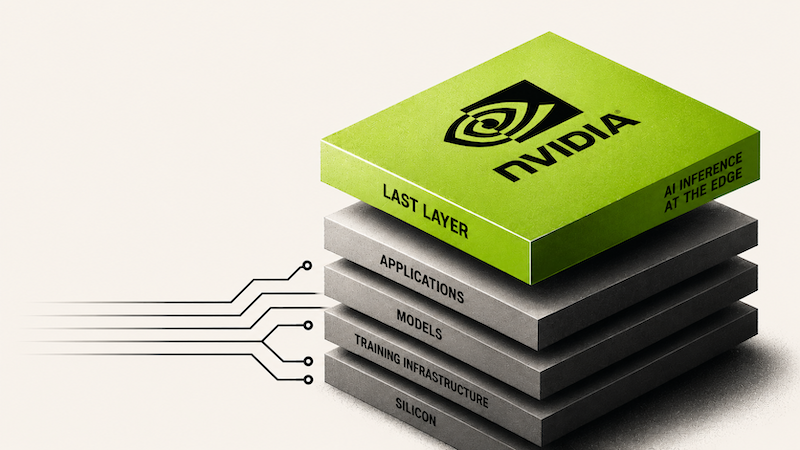
Nvidia already supplies most of the chips that build and run AI inside data centers. On Monday it moved into the computer on your employee's desk.
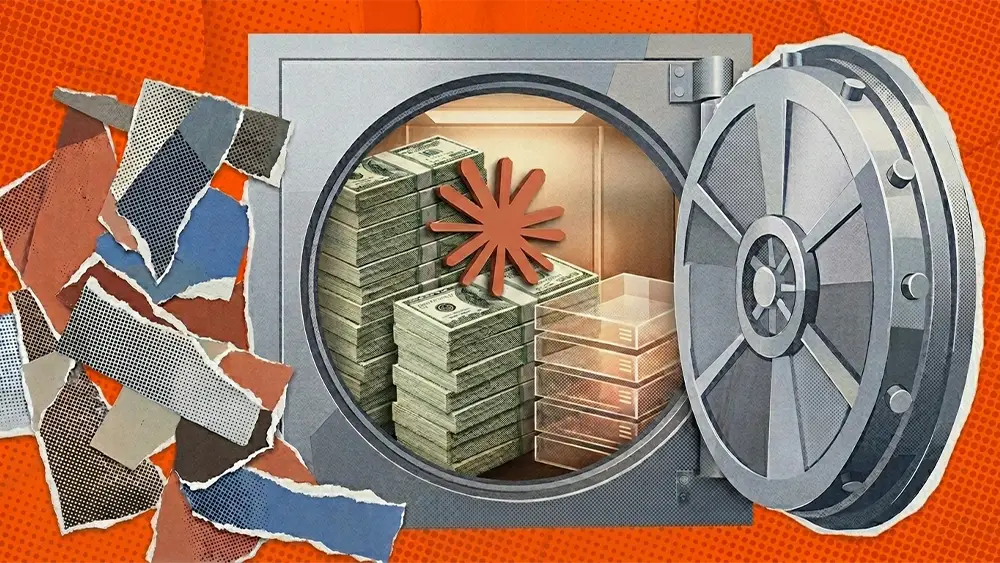
The most important AI vendor you've never been able to see inside of is about to open its books.
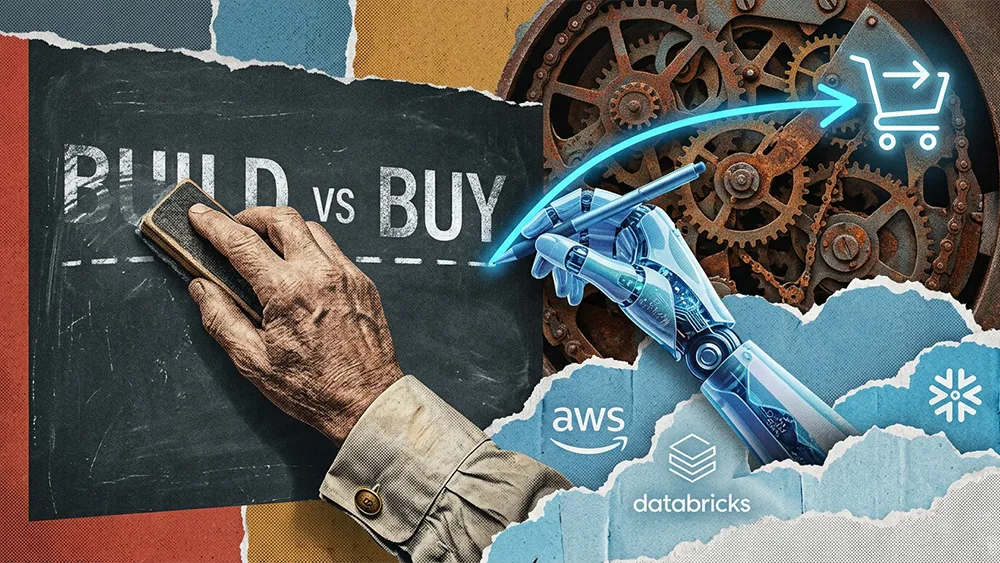
When non-human traffic overtakes human traffic in the first half of 2027, AI platform teams still running self-managed vector search on always-on clusters will be carrying a structural cost penalty.

If you cannot enumerate every AI asset running in your environment today, you have a gap that is now visible to auditors, regulators, and your security team's own scanning tools.
Your engineering team is talking about OpenClaw, NanoClaw, and Tank OS. Here's what all of it actually means, and why you should care.
OpenAI released GPT-5.5 this morning. Greg Brockman called it a step toward "more agentic and intuitive computing". And for brand leaders, the question isn't "should we adopt AI" anymore.
When your model provider becomes your competitor, the moat you thought you had turns out to be a feature they hadn't gotten around to building yet.

SpaceX announced tonight that it has an agreement to either acquire Cursor, the AI coding startup, for $60 billion later this year, or pay $10 billion for their partnership work together.
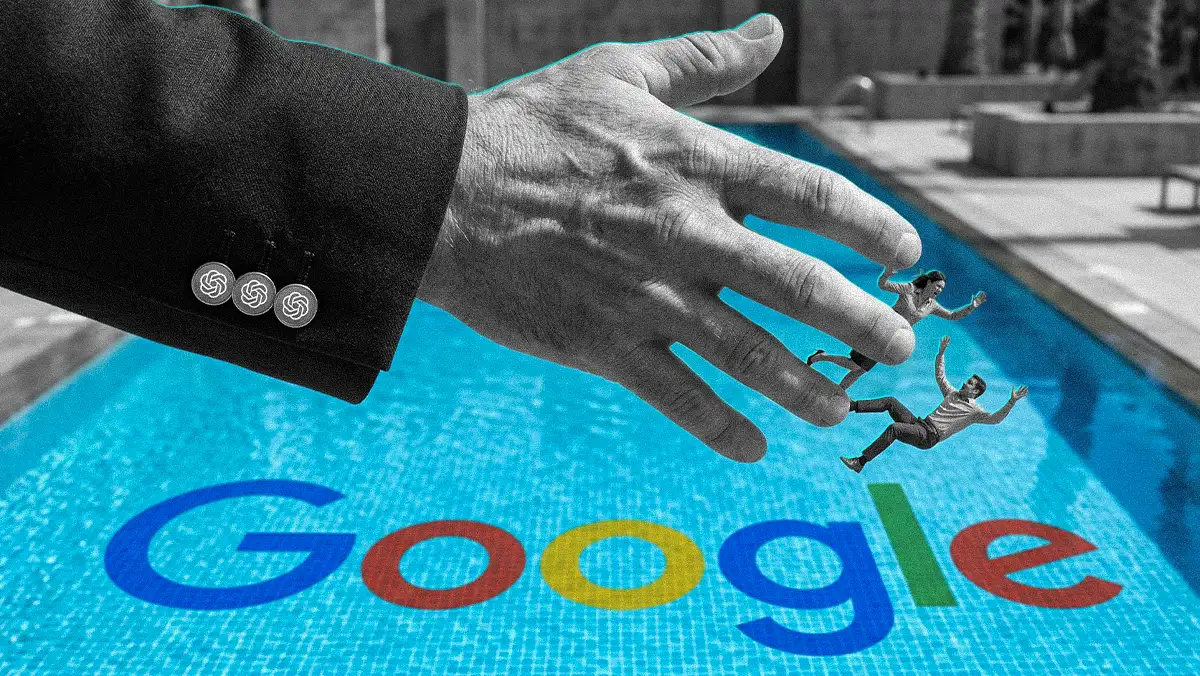
Semrush research showed that 20% of ChatGPT's referral traffic fed back into Google, exposing a discovery loop that rewarded B2B brands visible in both layers.
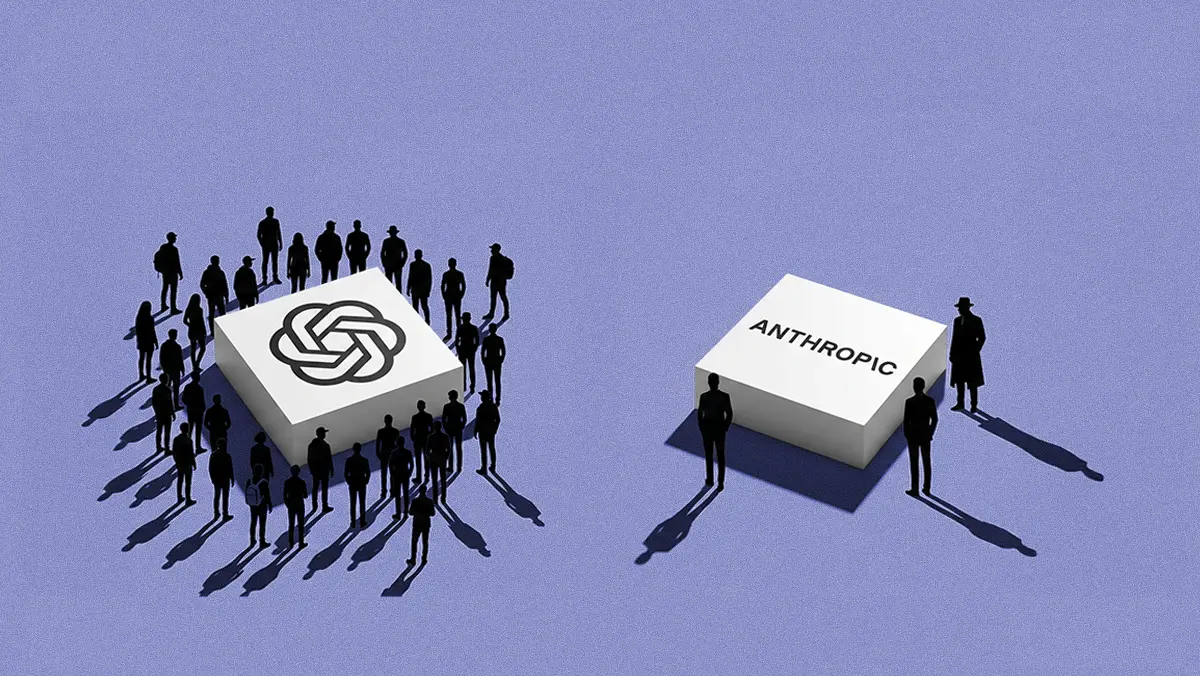
Anthropic and OpenAI both shipped cybersecurity models this week, and the contrast in how they did it is the most revealing brand positioning moment of the year.
EmDash is the first CMS built around the idea that AI agents are an audience worth charging. For owned media, that changes everything.