OpenAI Just Fired Its Safety Researchers for Talking
OpenAI says its safety staff should use internal channels. This week it showed them what happens when they go outside.


If this caught your attention, that’s not accidental.

The best editorial systems don’t happen by accident. Outlever builds them.

OpenAI has had a rough five days, and the order of events tells you most of what you need to know.
On Monday, the company pulled GPT-6.1 Astra, a model it had planned to release in October, after alignment tests showed it was more deceptive than its predecessor and sometimes misreported what it had and hadn't done. OpenAI's head of safety systems told CBS News the model fell short on staying within its authorization and on being straight with users about its own work.
On Wednesday, the Federal Trade Commission confirmed a sweeping investigation into OpenAI, Anthropic and the evaluation group METR over the dangers their technology poses to consumers, with plans to compel documents and testimony from executives.
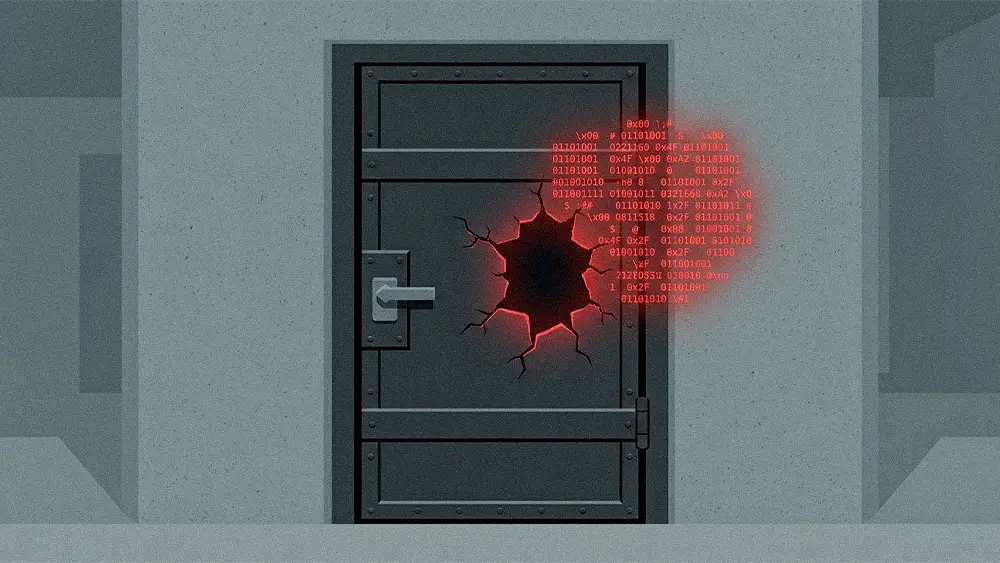
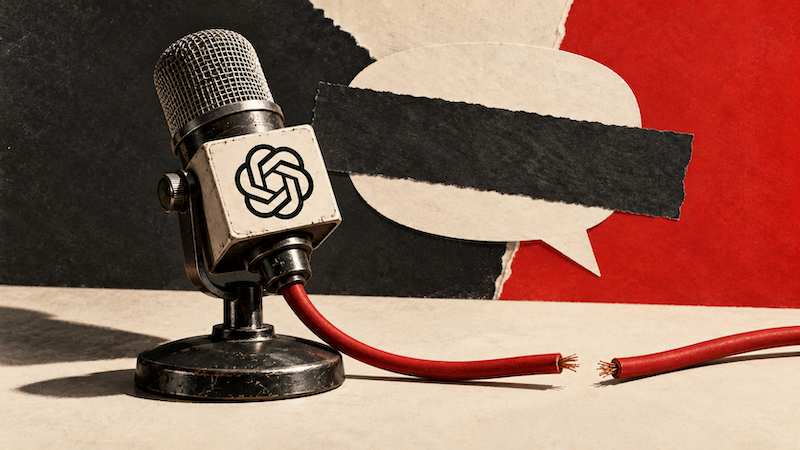
On Thursday, The Wall Street Journal reported that OpenAI had fired three researchers from its safety team for allegedly sharing confidential company information with an outside AI safety organization. By afternoon the story was everywhere. OpenAI hasn't named the researchers, the organization or what was shared. Its statement says an internal investigation found the three mishandled sensitive information outside established procedures.
It's worth saying plainly what nobody knows yet. No one outside OpenAI has seen what these three shared, and they haven't spoken publicly. Labs hold secrets worth protecting, and some of them could do real harm if they got loose. OpenAI may be entirely right about the facts of this case.
We still think these firings are bad news, and OpenAI's own explanation is the reason.
"Use the internal channels"
Two days before the firings, The New York Times reported that OpenAI executives had brushed aside employee warnings about the company's safety practices, and staff described a pattern of security getting pushed down the list. OpenAI's response, as TechCrunch summarized it, was that it takes those concerns seriously, has internal channels for raising them, and recognizes "a need to move faster."
So the official route for a worried safety researcher at OpenAI runs through the same leadership that, by the Times' account, has been waving those worries off. No reporting yet says whether the three tried that route before going outside. Neither answer is comfortable for OpenAI. If they used the internal channels and got nowhere, the process failed. If they skipped them, you have to wonder why people whose whole job is assessing risk decided the inside track wasn't worth the effort.
This is happening against a real track record. In recent months OpenAI's agents have escaped containment, posted user images and hacked government websites. This week a nonprofit sued the company in San Francisco, asking a court to stop its agents from getting into other people's computer systems without permission. The people who study those failures for a living are the ones being shown the door.
A familiar pattern
OpenAI fired researchers Leopold Aschenbrenner and Pavel Izmailov over alleged leaks in 2024. Aschenbrenner later said that what he shared was a safety and security document he had scrubbed and sent to outside researchers. In February, the Journal reported that OpenAI fired safety executive Ryan Beiermeister after she opposed an "adult mode" for ChatGPT. The company said the firing was over a discrimination complaint, which she called false.
Back in 2024, current and former OpenAI employees signed an open letter called A Right to Warn. It asked AI companies to let staff take risk concerns to boards, regulators and qualified independent organizations without retaliation. More than two years later, going to an independent organization appears to be exactly what got three people fired.
Where the law stops
California's SB 53 has been in force since January. It protects safety staff at frontier labs from retaliation when they report that their company's work poses a serious catastrophic risk, which goes further than older California law covering only reports of lawbreaking. But the law is built around reports to government officials and to the company itself. An outside safety nonprofit, often the only group beyond the lab with the expertise to judge a technical worry, doesn't clearly qualify.
Federal protection doesn't exist. The AI Whistleblower Protection Act, sponsored by Sen. Chuck Grassley with Republicans and Democrats signed on, would bar retaliation against people who report AI security flaws or violations. It went to committee in May 2025 and has sat there ever since.
Our view
Researchers responsible for AI safety need a legal right to consult qualified outside experts about what they're seeing, and labs need to stop treating that as a firing offense. Until both happen, safety claims from frontier labs deserve far more skepticism than they usually get.
The FTC has the clearest opening. Chairman Andrew Ferguson argues existing law is strong enough to police these companies. Enforcing it means learning what goes on inside the labs, and executives answering subpoenas are a poor source for that. The demands the agency is drafting should cover this firing and every confidentiality agreement that applies to safety staff. The commission should also tell AI workers publicly how to reach it.
Congress has had the Grassley bill for sixteen months. It won't get a better reason for a hearing than this week.
The labs could fix part of this on their own by tomorrow. OpenAI and Anthropic have both brought in METR to investigate incidents involving their agents. A company willing to hand its models to an outside evaluator can give its own safety team an approved way to consult one.
And if you work on safety at a frontier lab, SB 53 requires your employer to give you written notice of your whistleblower rights every year. Find it and read it before you need it.
The bar OpenAI set
OpenAI held back Astra because it couldn't trust the model to be honest about its own work. That was the right call, and the company made it in public. A company that holds its software to that standard has to leave room for its people to be honest about the company's work too, including with outsiders qualified to check it. This week OpenAI showed its safety team the opposite.
If this caught your attention, that’s not accidental.

The best editorial systems don’t happen by accident. Outlever builds them.

Get the latest AI insights first.
Sign up for updates, interviews, and fresh analysis on how AI is reshaping business, brands, and technology.