Enterprise Strategy
Strategic analysis of how enterprises are adopting, scaling, and operationalizing AI, from governance and infrastructure decisions to workforce transformation, vendor selection, and competitive positioning.

AI Adoption Sticks When Leaders Are Willing to Fail in Public
Amplitude tripled its pull requests with the same headcount. Chief Engineering Officer Wade Chambers says the leaders who win at AI are the ones willing to go first.

EY Is Putting $100 Million Behind the Skills AI Can't Replace
EY will pay $100 million in bonuses for judgment and adaptability, a response to the entry-level work its industry automated away.
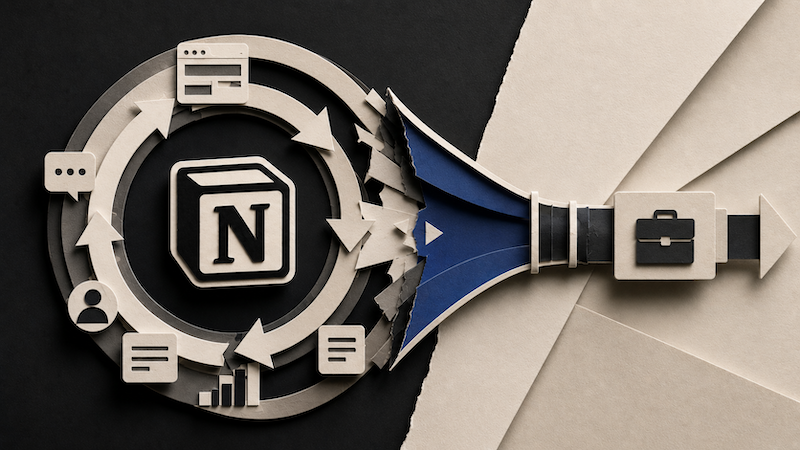
Notion Is Un-Inventing Product-Led Growth. Its Newest Engineers Report to Sales.
The company that proved software could sell itself is now hiring engineers to go install it.

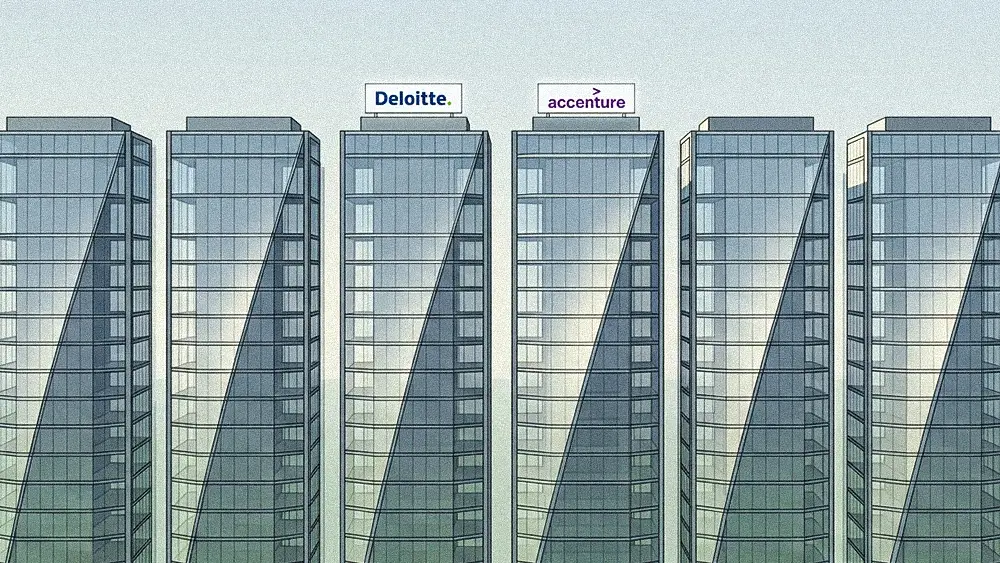
Accenture and Deloitte Are Selling the Same Brain to Every Company in Your Category
The largest consulting firms have converged on the same AI models and the same four workstreams. Their clients' positioning is converging with them.

So Why Did Stripe Buy OpenRouter?
A payments company just paid around $7.5 billion for a startup that decides which AI model answers your prompt. Most of the coverage assumes you already know what that means. This piece doesn't.

Zapier's Heaviest AI Users Spend $30,000 a Month. The Company Still Can't Measure the Return.
Wade Foster opened Zapier's books on token spend. The number nobody in the industry can produce is the one on the other side of the ledger.

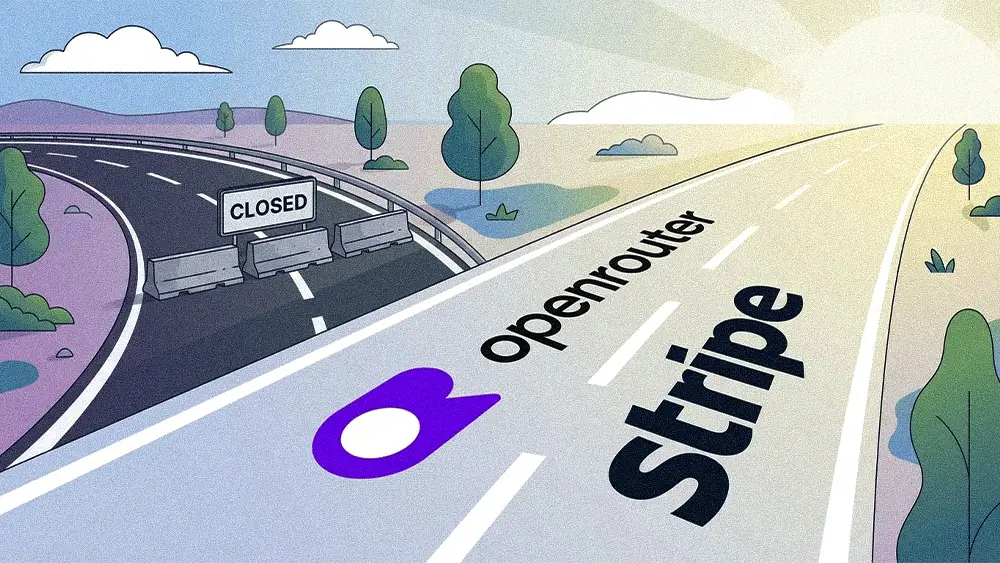
OpenRouter Was Never Neutral
Stripe is paying north of $7 billion for the router behind AI's most-cited usage data. That router's impartiality was never audited, published or contractually committed.

Enterprises Are Running A Hundred AI Models Against Their Own Code At Once
Joseph Davis, Chief Security Advisor for Microsoft's U.S. Health & Life Sciences business, explains how enterprises are wiring AI into code review, and why the ownership question outlasts the tooling one.

Everything You've Been Told About AI Governance Slowing You Down Is Wrong
Companies with mature AI governance are more than three times as likely to have agents in production. The direction of causation is arguable. The drag hypothesis isn't.

The Frontier Labs Are Selling You Inventory and Calling It a Moat
Frontier model prices fell 99% in three years and open weights are six months behind. Who's left standing when the models are worth nothing, and who gets paid?

Sequoia Spent the Summer Measuring 20 Years of Hype. The Companies That Mattered Were Never on the List.
Sequoia ranked 20 years of Hacker News hype against the companies actually founded each year. The winners were almost never in the conversation.

The Problem With ARR: AI Didn't Change What Growth Is Worth. It Changed What Growth Means.
Investors are benchmarking AI companies against the fastest growth figures software has ever produced. Very few people will say out loud what those figures are actually made of.

SpaceX Spent More Than Twice Its Revenue on AI Last Quarter
In its first earnings report as a public company, SpaceX posted the fastest AI revenue growth of any major infrastructure spender and the widest gap between what it earns and what it spends.

Mark Cuban Says AI's Next Job Wave Belongs to Implementers, Not Developers
Mark Cuban says the next great job isn't a developer. Nine billion dollars in corporate hiring says he's right, and the Census data says he's early.

OpenAI Just Shipped Your Startup. As a Feature.
OpenAI's Presence ships the entire product page of a dozen funded startups. Token prices fell 99 percent in three years, so the labs went where the contracts are.

Uber Open-Sources The Security System It Built Because Its AI Agents Had Become Invisible
Uber has open-sourced ADR, the system it built after realizing its security tools could see what its AI agents did but not why.

RBC Is Putting AI Where You Can Least Afford to Get It Wrong
The bank's Personal Banking chief named the three moments: the house purchase, the renewal, the account opening. What nobody at RBC is publishing is whether your decision came out any better.

The Funding Round Is No Longer a Signal
Two-billion-dollar seed rounds are closing before products exist. Inside the collapse of tech's most overread announcement.

Jensen Huang Is Arguing Against Every Locked Door in AI, Including Anthropic's
Jensen Huang wants Chinese models used and Anthropic's Mythos unleashed. Every gate he opposes, we've already watched close. The fight may be happening at the wrong layer anyway.

Inside the 100x Org: What a Thousand-Person Company Learned Automating Itself
ClickUp's CFO is publishing her AI transformation playbook while she writes it. We checked it against what everyone else is finding.

Tokens Got 75% Cheaper. Companies Blew Their AI Budgets Anyway.
Swapping frontier models for cheap ones changes what a call costs. It does nothing about how many calls you make, and that is where the budget went.

Writer Tested Six Models on 22 Tasks. The Model Barely Mattered.
Writer's researchers held six models constant and swapped only the orchestration layer. Cost per task fell 41%, quality held, and the model choice barely moved the bill.

Jamie Dimon Spent One Week Selling Two Futures: A Trillion Dollars for AI, and a Welding Torch for Your Kid
In one week, Jamie Dimon predicted $1 trillion in AI spending and told young Americans to pick up a welding torch. Both statements describe the same economy.

The Model Isn't the Moat Anymore. Murati's Thinking Machines Just Killed the Business Model Everyone Is Copying.
Murati's Thinking Machines gave away a 975B model for free, and the reason why reveals where the real moat in AI now lives: your data, not your model.

China Just Released the Largest "Open" AI Model in History. Try Downloading It.
Kimi K3 is being celebrated as the moment open-source AI caught the frontier. But at 2.8 trillion parameters, openness has stopped meaning access and started meaning influence.

"The Wrong Objective": BNY's CEO Just Told Corporate America It Wasted Two Years on AI
BNY's record quarter and ten blunt words from its CEO mark the end of token consumption as the metric that defined enterprise AI.

Databricks Raises at $188 Billion on a Simple Bet: Tokenmaxxing Is Dead
Databricks' new raise at a $188 billion valuation is a bet that the enterprise AI wars will be won not by the best model, but by the layer that routes, governs, and pays for all of them.

Anthropic Goes All In on Services With the Official Launch of Ode
The AI services venture backed by Blackstone, Hellman & Friedman, and a deep bench of global investors now has a name, a brand, and a clear mandate: turn frontier models into working systems inside real companies.

The Execs Who Built Big Tech's Customer Service Are Walking Away. Where They're Going Says Everything.
Veterans of Google, Salesforce, and other tech giants are betting that the future of customer service AI will be built by startups solving the hardest problems: production reliability, control, data, and the role of humans.

Nadella's Warning to Enterprise AI Buyers: You're Paying Twice
Satya Nadella breaks ranks with the frontier labs, warning that every prompt and correction quietly teaches AI providers how your business runs.

Starbucks Is Using AI to Build Its Own Software to Replace Microsoft and IBM Tools
Starbucks spends $400 million a year on software, and it just told Microsoft and IBM it might not need them.

Uber's "Agentic Pods" Show What Happens When AI Moves Beyond Engineering
For most of the past two years, the story of AI adoption inside big tech companies has been an engineering story. Uber has now given one of the clearest public looks at the next chapter.

Amazon Bets $1 Billion on "Forward-Deployed" AI Engineers, the Same Wager OpenAI and Anthropic Already Made
The cloud giant is the latest and largest name to embrace a deployment model pioneered by Palantir. The race has shifted from who has the best model to who can get it running inside your company.

PwC Tech Chief: AI Is Overwhelming Workers Faster Than Companies Can Lead Them
James Shira oversees technology and security for one of the world's largest professional-services firms. His argument to other leaders: the hardest part of the AI transformation is the weight it places on people.

How Bain Turned Vibecoding Into a Build vs Buy Weapon
Good enterprise software was assumed to be expensive, slow, and painful to replicate, which is exactly why acquirers paid steep multiples for it. Bain & Company just put a price on that assumption.

Anthropic Made Enterprise Knowledge Access Look Like Table Stakes
A new post on how the company runs its own analytics doubles as a quiet argument: the thing knowledge platforms charge a premium for is becoming the floor.

TD Is Going to Start Monitoring Some of Its Employees. Meta Did the Same Thing Two Months Ago.
Two months ago it was Meta logging keystrokes to train AI. Now a Canadian bank is tracking its financial-crime staff to lift productivity.

From Tokenmaxxing to Tokenminimizing: Meta Moves to Cap Employee AI Usage
Meta is reining in the very behavior it spent the past year encouraging.

Anthropic Called This Model Too Dangerous to Release. Today It Put It on Sale.
Two months ago, Anthropic's most powerful model was too dangerous to hand out. Today you can put it on a company credit card.

Sam Altman Says AI Budgets Have Become a "Huge Issue" for Companies
OpenAI's CEO says cost concerns went from a non-topic in January to one of the loudest complaints he hears, as firms blow through annual AI budgets in a single quarter

Snowflake CIO Says He Used Layoffs to Force Engineers onto AI Tools
"At the time, my team hated me," Mike Blandina said of January cuts he framed as a "provocative" way to prove AI could replace lost headcount.

The AI Labs Are Hiring Forward-Deployed Engineers by the Hundreds. Here's What They Won't Say.
Google, OpenAI, Anthropic, and Meta are racing to embed engineers inside customer operations. The reason has less to do with the job market than with a number the labs rarely volunteer.

Enterprises Are Funding 2027 AI Budgets With Savings That Never Arrived
The most dangerous number in Bain & Co.'s new survey is not 40%. It is 44%.

The Inference Price Floor Just Moved. What's Your Model Routing Strategy Now?
DeepSeek's V4-Pro now costs $0.87 per million output tokens. Permanently.

Why Anthropic’s Depth-First Strategy Overtook OpenAI, and What a 1957 Napkin Sketch Explains About the AI Race
Anthropic now leads OpenAI in U.S. business AI for the first time, and four patterns from a 1957 Walt Disney sketch explain what changed.

The Synergy Maps of xAI, OpenAI, Anthropic, Microsoft, and Google And Why Your Enterprise Needs One
The race in AI has moved one layer up, from model capability to architecture, and the five companies shaping enterprise AI are running four fundamentally different bets.

AI Adoption Sticks When Leaders Are Willing to Fail in Public
Amplitude tripled its pull requests with the same headcount. Chief Engineering Officer Wade Chambers says the leaders who win at AI are the ones willing to go first.

EY Is Putting $100 Million Behind the Skills AI Can't Replace
EY will pay $100 million in bonuses for judgment and adaptability, a response to the entry-level work its industry automated away.

Notion Is Un-Inventing Product-Led Growth. Its Newest Engineers Report to Sales.
The company that proved software could sell itself is now hiring engineers to go install it.

Accenture and Deloitte Are Selling the Same Brain to Every Company in Your Category
The largest consulting firms have converged on the same AI models and the same four workstreams. Their clients' positioning is converging with them.

So Why Did Stripe Buy OpenRouter?
A payments company just paid around $7.5 billion for a startup that decides which AI model answers your prompt. Most of the coverage assumes you already know what that means. This piece doesn't.

Zapier's Heaviest AI Users Spend $30,000 a Month. The Company Still Can't Measure the Return.
Wade Foster opened Zapier's books on token spend. The number nobody in the industry can produce is the one on the other side of the ledger.

OpenRouter Was Never Neutral
Stripe is paying north of $7 billion for the router behind AI's most-cited usage data. That router's impartiality was never audited, published or contractually committed.

Enterprises Are Running A Hundred AI Models Against Their Own Code At Once
Joseph Davis, Chief Security Advisor for Microsoft's U.S. Health & Life Sciences business, explains how enterprises are wiring AI into code review, and why the ownership question outlasts the tooling one.

Everything You've Been Told About AI Governance Slowing You Down Is Wrong
Companies with mature AI governance are more than three times as likely to have agents in production. The direction of causation is arguable. The drag hypothesis isn't.

The Frontier Labs Are Selling You Inventory and Calling It a Moat
Frontier model prices fell 99% in three years and open weights are six months behind. Who's left standing when the models are worth nothing, and who gets paid?

Sequoia Spent the Summer Measuring 20 Years of Hype. The Companies That Mattered Were Never on the List.
Sequoia ranked 20 years of Hacker News hype against the companies actually founded each year. The winners were almost never in the conversation.

The Problem With ARR: AI Didn't Change What Growth Is Worth. It Changed What Growth Means.
Investors are benchmarking AI companies against the fastest growth figures software has ever produced. Very few people will say out loud what those figures are actually made of.

SpaceX Spent More Than Twice Its Revenue on AI Last Quarter
In its first earnings report as a public company, SpaceX posted the fastest AI revenue growth of any major infrastructure spender and the widest gap between what it earns and what it spends.

Mark Cuban Says AI's Next Job Wave Belongs to Implementers, Not Developers
Mark Cuban says the next great job isn't a developer. Nine billion dollars in corporate hiring says he's right, and the Census data says he's early.

OpenAI Just Shipped Your Startup. As a Feature.
OpenAI's Presence ships the entire product page of a dozen funded startups. Token prices fell 99 percent in three years, so the labs went where the contracts are.

Uber Open-Sources The Security System It Built Because Its AI Agents Had Become Invisible
Uber has open-sourced ADR, the system it built after realizing its security tools could see what its AI agents did but not why.

RBC Is Putting AI Where You Can Least Afford to Get It Wrong
The bank's Personal Banking chief named the three moments: the house purchase, the renewal, the account opening. What nobody at RBC is publishing is whether your decision came out any better.

The Funding Round Is No Longer a Signal
Two-billion-dollar seed rounds are closing before products exist. Inside the collapse of tech's most overread announcement.

Jensen Huang Is Arguing Against Every Locked Door in AI, Including Anthropic's
Jensen Huang wants Chinese models used and Anthropic's Mythos unleashed. Every gate he opposes, we've already watched close. The fight may be happening at the wrong layer anyway.

Inside the 100x Org: What a Thousand-Person Company Learned Automating Itself
ClickUp's CFO is publishing her AI transformation playbook while she writes it. We checked it against what everyone else is finding.

Tokens Got 75% Cheaper. Companies Blew Their AI Budgets Anyway.
Swapping frontier models for cheap ones changes what a call costs. It does nothing about how many calls you make, and that is where the budget went.

Writer Tested Six Models on 22 Tasks. The Model Barely Mattered.
Writer's researchers held six models constant and swapped only the orchestration layer. Cost per task fell 41%, quality held, and the model choice barely moved the bill.

Jamie Dimon Spent One Week Selling Two Futures: A Trillion Dollars for AI, and a Welding Torch for Your Kid
In one week, Jamie Dimon predicted $1 trillion in AI spending and told young Americans to pick up a welding torch. Both statements describe the same economy.

The Model Isn't the Moat Anymore. Murati's Thinking Machines Just Killed the Business Model Everyone Is Copying.
Murati's Thinking Machines gave away a 975B model for free, and the reason why reveals where the real moat in AI now lives: your data, not your model.

China Just Released the Largest "Open" AI Model in History. Try Downloading It.
Kimi K3 is being celebrated as the moment open-source AI caught the frontier. But at 2.8 trillion parameters, openness has stopped meaning access and started meaning influence.

"The Wrong Objective": BNY's CEO Just Told Corporate America It Wasted Two Years on AI
BNY's record quarter and ten blunt words from its CEO mark the end of token consumption as the metric that defined enterprise AI.

Databricks Raises at $188 Billion on a Simple Bet: Tokenmaxxing Is Dead
Databricks' new raise at a $188 billion valuation is a bet that the enterprise AI wars will be won not by the best model, but by the layer that routes, governs, and pays for all of them.

Anthropic Goes All In on Services With the Official Launch of Ode
The AI services venture backed by Blackstone, Hellman & Friedman, and a deep bench of global investors now has a name, a brand, and a clear mandate: turn frontier models into working systems inside real companies.

The Execs Who Built Big Tech's Customer Service Are Walking Away. Where They're Going Says Everything.
Veterans of Google, Salesforce, and other tech giants are betting that the future of customer service AI will be built by startups solving the hardest problems: production reliability, control, data, and the role of humans.

Nadella's Warning to Enterprise AI Buyers: You're Paying Twice
Satya Nadella breaks ranks with the frontier labs, warning that every prompt and correction quietly teaches AI providers how your business runs.

Starbucks Is Using AI to Build Its Own Software to Replace Microsoft and IBM Tools
Starbucks spends $400 million a year on software, and it just told Microsoft and IBM it might not need them.

Uber's "Agentic Pods" Show What Happens When AI Moves Beyond Engineering
For most of the past two years, the story of AI adoption inside big tech companies has been an engineering story. Uber has now given one of the clearest public looks at the next chapter.

Amazon Bets $1 Billion on "Forward-Deployed" AI Engineers, the Same Wager OpenAI and Anthropic Already Made
The cloud giant is the latest and largest name to embrace a deployment model pioneered by Palantir. The race has shifted from who has the best model to who can get it running inside your company.

PwC Tech Chief: AI Is Overwhelming Workers Faster Than Companies Can Lead Them
James Shira oversees technology and security for one of the world's largest professional-services firms. His argument to other leaders: the hardest part of the AI transformation is the weight it places on people.

How Bain Turned Vibecoding Into a Build vs Buy Weapon
Good enterprise software was assumed to be expensive, slow, and painful to replicate, which is exactly why acquirers paid steep multiples for it. Bain & Company just put a price on that assumption.

Anthropic Made Enterprise Knowledge Access Look Like Table Stakes
A new post on how the company runs its own analytics doubles as a quiet argument: the thing knowledge platforms charge a premium for is becoming the floor.

TD Is Going to Start Monitoring Some of Its Employees. Meta Did the Same Thing Two Months Ago.
Two months ago it was Meta logging keystrokes to train AI. Now a Canadian bank is tracking its financial-crime staff to lift productivity.

From Tokenmaxxing to Tokenminimizing: Meta Moves to Cap Employee AI Usage
Meta is reining in the very behavior it spent the past year encouraging.

Anthropic Called This Model Too Dangerous to Release. Today It Put It on Sale.
Two months ago, Anthropic's most powerful model was too dangerous to hand out. Today you can put it on a company credit card.

Sam Altman Says AI Budgets Have Become a "Huge Issue" for Companies
OpenAI's CEO says cost concerns went from a non-topic in January to one of the loudest complaints he hears, as firms blow through annual AI budgets in a single quarter

Snowflake CIO Says He Used Layoffs to Force Engineers onto AI Tools
"At the time, my team hated me," Mike Blandina said of January cuts he framed as a "provocative" way to prove AI could replace lost headcount.

The AI Labs Are Hiring Forward-Deployed Engineers by the Hundreds. Here's What They Won't Say.
Google, OpenAI, Anthropic, and Meta are racing to embed engineers inside customer operations. The reason has less to do with the job market than with a number the labs rarely volunteer.

Enterprises Are Funding 2027 AI Budgets With Savings That Never Arrived
The most dangerous number in Bain & Co.'s new survey is not 40%. It is 44%.

The Inference Price Floor Just Moved. What's Your Model Routing Strategy Now?
DeepSeek's V4-Pro now costs $0.87 per million output tokens. Permanently.

Why Anthropic’s Depth-First Strategy Overtook OpenAI, and What a 1957 Napkin Sketch Explains About the AI Race
Anthropic now leads OpenAI in U.S. business AI for the first time, and four patterns from a 1957 Walt Disney sketch explain what changed.

The Synergy Maps of xAI, OpenAI, Anthropic, Microsoft, and Google And Why Your Enterprise Needs One
The race in AI has moved one layer up, from model capability to architecture, and the five companies shaping enterprise AI are running four fundamentally different bets.

Amplitude tripled its pull requests with the same headcount. Chief Engineering Officer Wade Chambers says the leaders who win at AI are the ones willing to go first.

EY will pay $100 million in bonuses for judgment and adaptability, a response to the entry-level work its industry automated away.

The company that proved software could sell itself is now hiring engineers to go install it.
The largest consulting firms have converged on the same AI models and the same four workstreams. Their clients' positioning is converging with them.
A payments company just paid around $7.5 billion for a startup that decides which AI model answers your prompt. Most of the coverage assumes you already know what that means. This piece doesn't.

Wade Foster opened Zapier's books on token spend. The number nobody in the industry can produce is the one on the other side of the ledger.
Stripe is paying north of $7 billion for the router behind AI's most-cited usage data. That router's impartiality was never audited, published or contractually committed.

Joseph Davis, Chief Security Advisor for Microsoft's U.S. Health & Life Sciences business, explains how enterprises are wiring AI into code review, and why the ownership question outlasts the tooling one.

Companies with mature AI governance are more than three times as likely to have agents in production. The direction of causation is arguable. The drag hypothesis isn't.
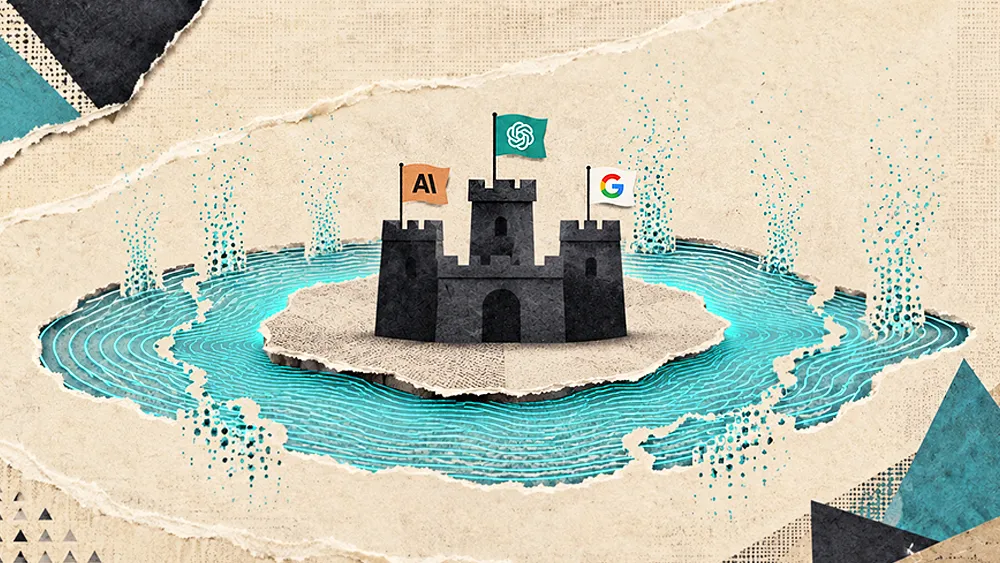
Frontier model prices fell 99% in three years and open weights are six months behind. Who's left standing when the models are worth nothing, and who gets paid?

Sequoia ranked 20 years of Hacker News hype against the companies actually founded each year. The winners were almost never in the conversation.

Investors are benchmarking AI companies against the fastest growth figures software has ever produced. Very few people will say out loud what those figures are actually made of.

In its first earnings report as a public company, SpaceX posted the fastest AI revenue growth of any major infrastructure spender and the widest gap between what it earns and what it spends.
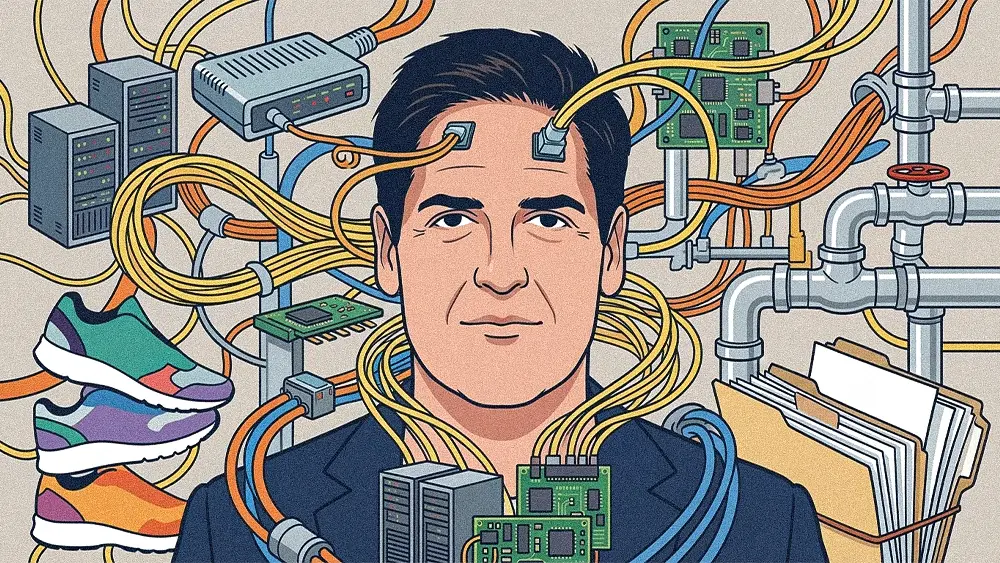
Mark Cuban says the next great job isn't a developer. Nine billion dollars in corporate hiring says he's right, and the Census data says he's early.
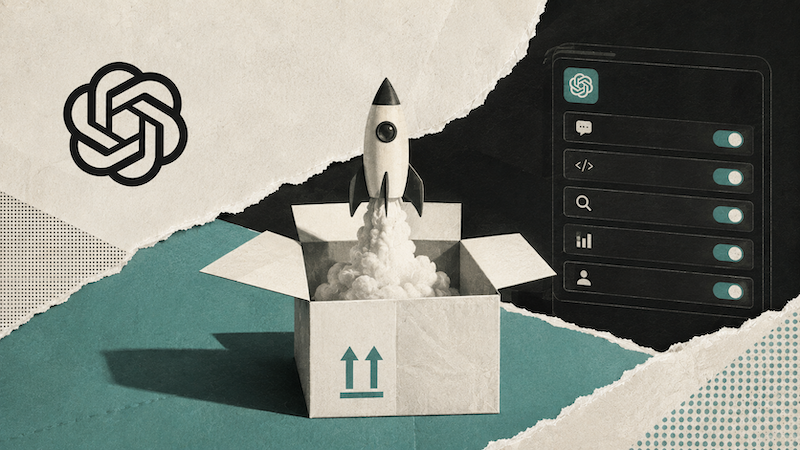
OpenAI's Presence ships the entire product page of a dozen funded startups. Token prices fell 99 percent in three years, so the labs went where the contracts are.
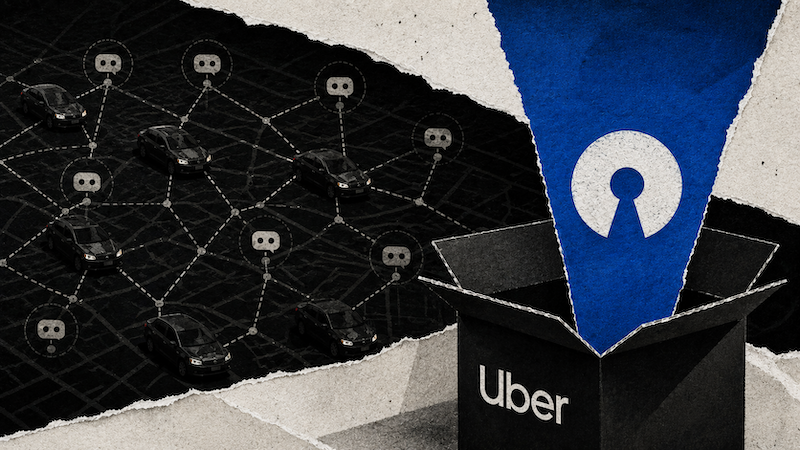
Uber has open-sourced ADR, the system it built after realizing its security tools could see what its AI agents did but not why.

The bank's Personal Banking chief named the three moments: the house purchase, the renewal, the account opening. What nobody at RBC is publishing is whether your decision came out any better.

Two-billion-dollar seed rounds are closing before products exist. Inside the collapse of tech's most overread announcement.
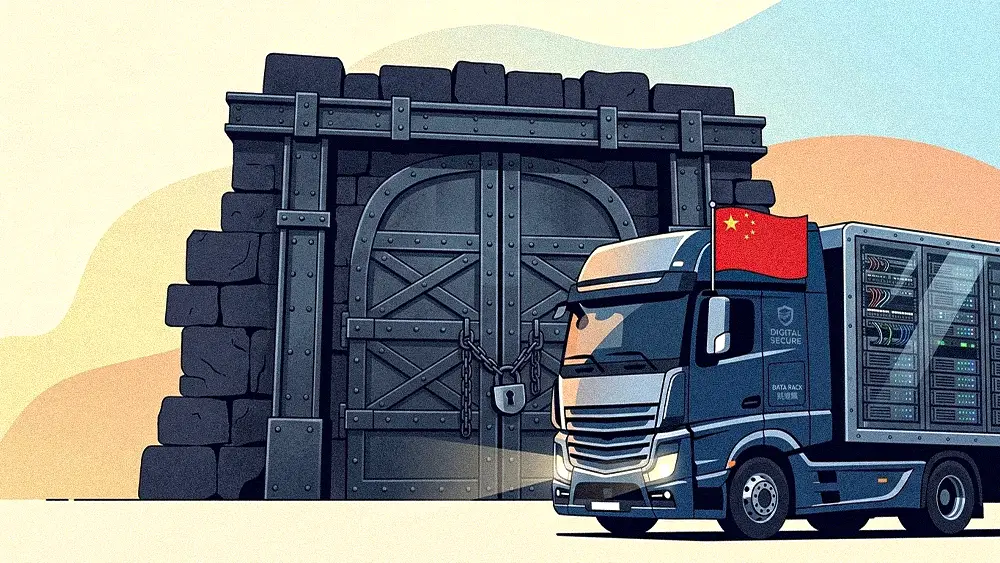
Jensen Huang wants Chinese models used and Anthropic's Mythos unleashed. Every gate he opposes, we've already watched close. The fight may be happening at the wrong layer anyway.

ClickUp's CFO is publishing her AI transformation playbook while she writes it. We checked it against what everyone else is finding.

Swapping frontier models for cheap ones changes what a call costs. It does nothing about how many calls you make, and that is where the budget went.

Writer's researchers held six models constant and swapped only the orchestration layer. Cost per task fell 41%, quality held, and the model choice barely moved the bill.

In one week, Jamie Dimon predicted $1 trillion in AI spending and told young Americans to pick up a welding torch. Both statements describe the same economy.

Murati's Thinking Machines gave away a 975B model for free, and the reason why reveals where the real moat in AI now lives: your data, not your model.
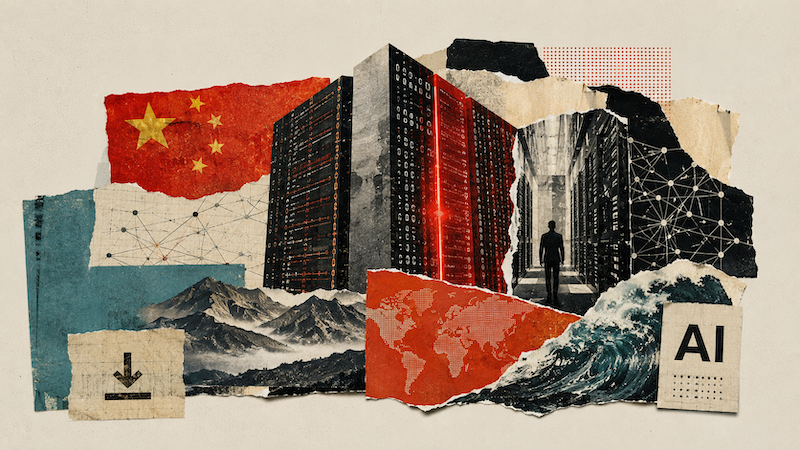
Kimi K3 is being celebrated as the moment open-source AI caught the frontier. But at 2.8 trillion parameters, openness has stopped meaning access and started meaning influence.
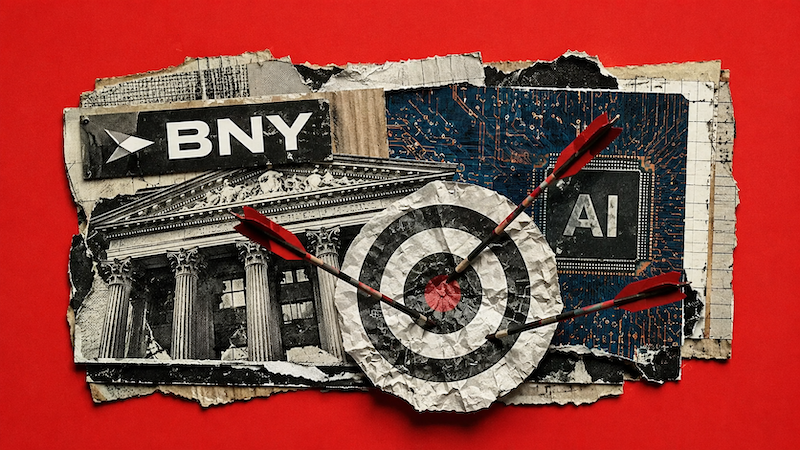
BNY's record quarter and ten blunt words from its CEO mark the end of token consumption as the metric that defined enterprise AI.
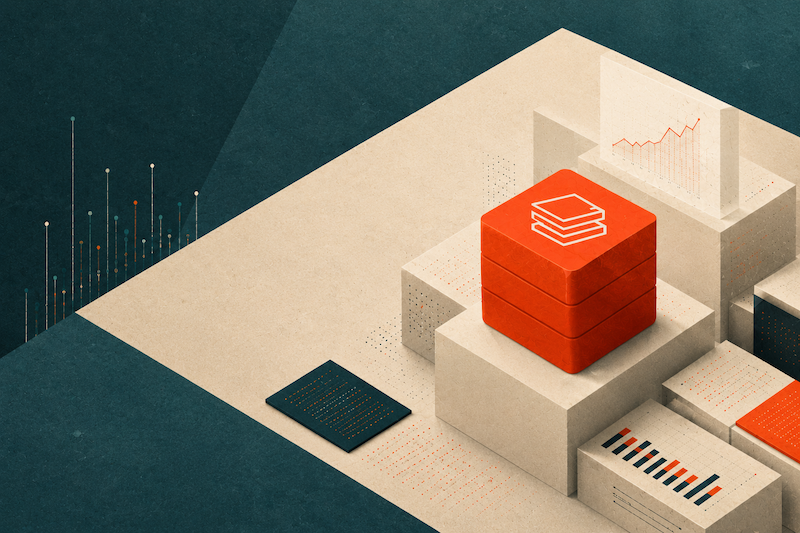
Databricks' new raise at a $188 billion valuation is a bet that the enterprise AI wars will be won not by the best model, but by the layer that routes, governs, and pays for all of them.

The AI services venture backed by Blackstone, Hellman & Friedman, and a deep bench of global investors now has a name, a brand, and a clear mandate: turn frontier models into working systems inside real companies.
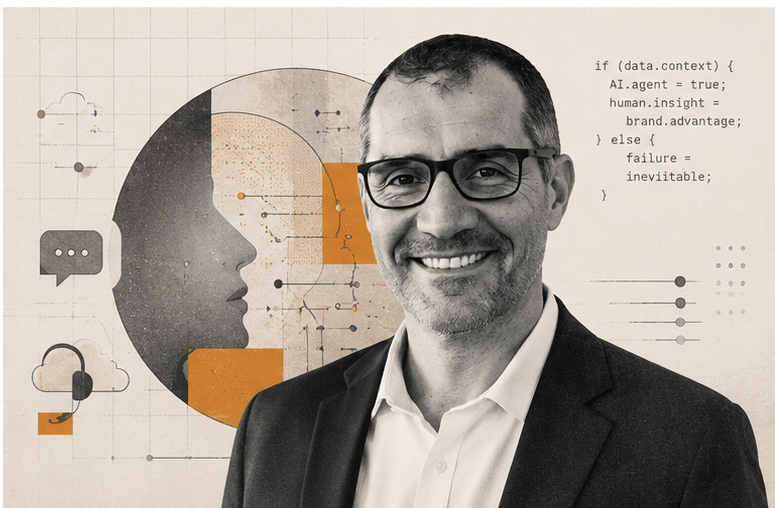
Veterans of Google, Salesforce, and other tech giants are betting that the future of customer service AI will be built by startups solving the hardest problems: production reliability, control, data, and the role of humans.
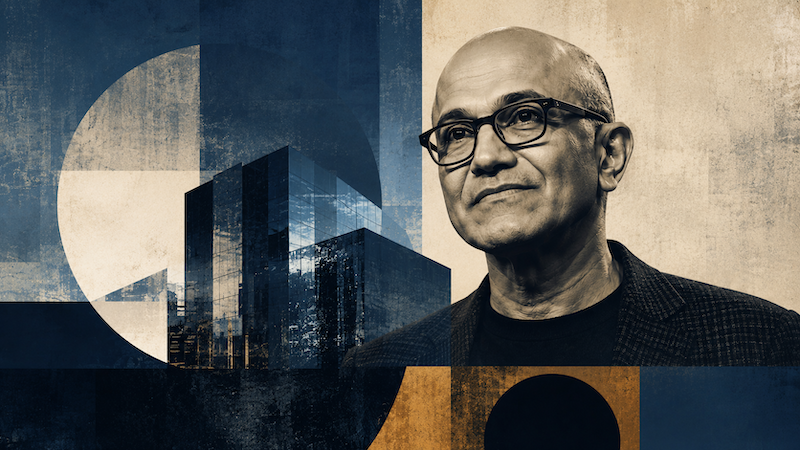
Satya Nadella breaks ranks with the frontier labs, warning that every prompt and correction quietly teaches AI providers how your business runs.

Starbucks spends $400 million a year on software, and it just told Microsoft and IBM it might not need them.

For most of the past two years, the story of AI adoption inside big tech companies has been an engineering story. Uber has now given one of the clearest public looks at the next chapter.
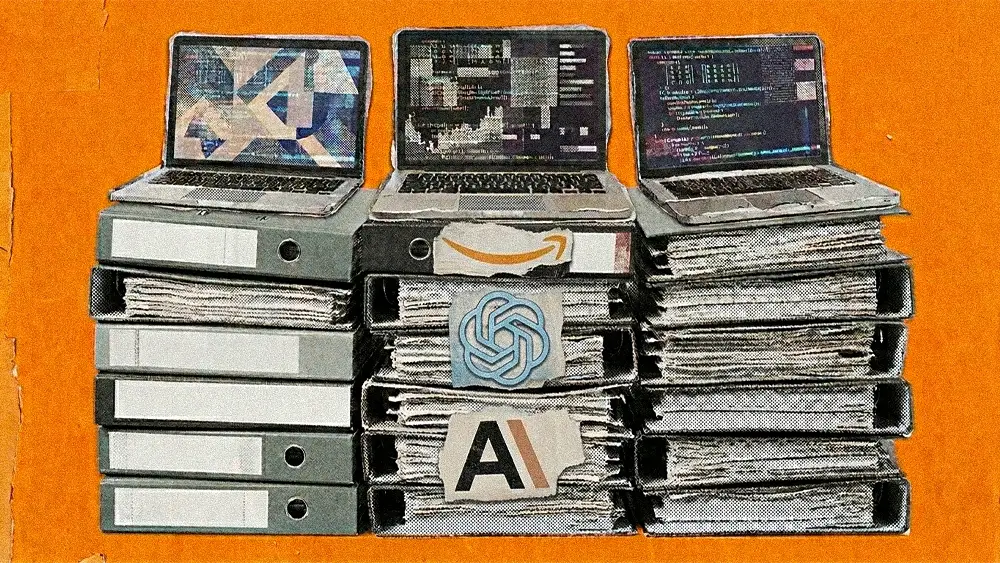
The cloud giant is the latest and largest name to embrace a deployment model pioneered by Palantir. The race has shifted from who has the best model to who can get it running inside your company.

James Shira oversees technology and security for one of the world's largest professional-services firms. His argument to other leaders: the hardest part of the AI transformation is the weight it places on people.
Good enterprise software was assumed to be expensive, slow, and painful to replicate, which is exactly why acquirers paid steep multiples for it. Bain & Company just put a price on that assumption.

A new post on how the company runs its own analytics doubles as a quiet argument: the thing knowledge platforms charge a premium for is becoming the floor.

Two months ago it was Meta logging keystrokes to train AI. Now a Canadian bank is tracking its financial-crime staff to lift productivity.
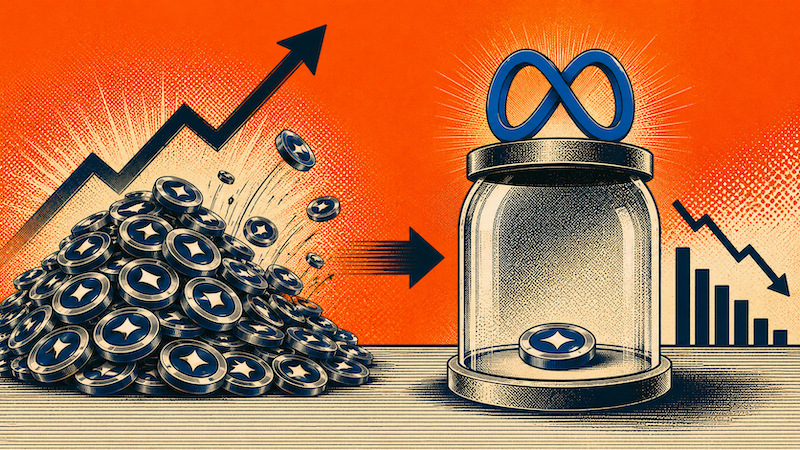
Meta is reining in the very behavior it spent the past year encouraging.

Two months ago, Anthropic's most powerful model was too dangerous to hand out. Today you can put it on a company credit card.

OpenAI's CEO says cost concerns went from a non-topic in January to one of the loudest complaints he hears, as firms blow through annual AI budgets in a single quarter
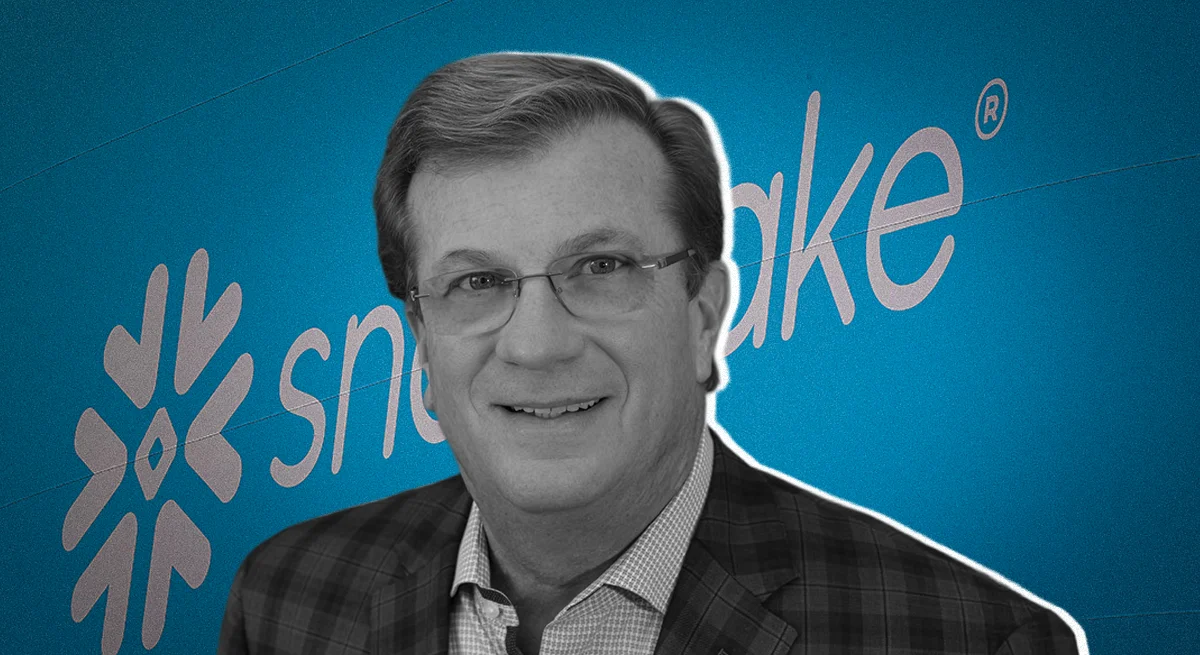
"At the time, my team hated me," Mike Blandina said of January cuts he framed as a "provocative" way to prove AI could replace lost headcount.

Google, OpenAI, Anthropic, and Meta are racing to embed engineers inside customer operations. The reason has less to do with the job market than with a number the labs rarely volunteer.

The most dangerous number in Bain & Co.'s new survey is not 40%. It is 44%.

DeepSeek's V4-Pro now costs $0.87 per million output tokens. Permanently.
Anthropic now leads OpenAI in U.S. business AI for the first time, and four patterns from a 1957 Walt Disney sketch explain what changed.
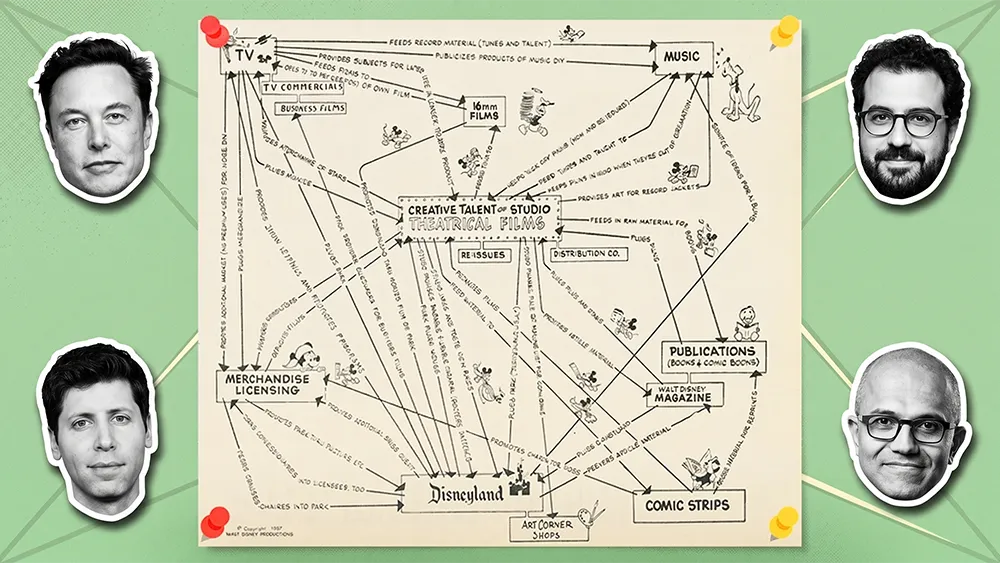
The race in AI has moved one layer up, from model capability to architecture, and the five companies shaping enterprise AI are running four fundamentally different bets.