

Employers Worry Your Resume Was Written by AI. 46% of Them Have AI Reading It.
A new survey of 1,027 hiring professionals shows both sides of the job market automating their way past each other.
Analysis of how AI is changing marketing, media, brand strategy and the way modern teams work. Expert insights for enterprise leaders.
A new survey of 1,027 hiring professionals shows both sides of the job market automating their way past each other.

A new McKinsey Global Institute report says AI will leave the U.S. with more jobs in 2035 than it has today. It also says most of the people pushed out of their current work have no easy way to reach them.
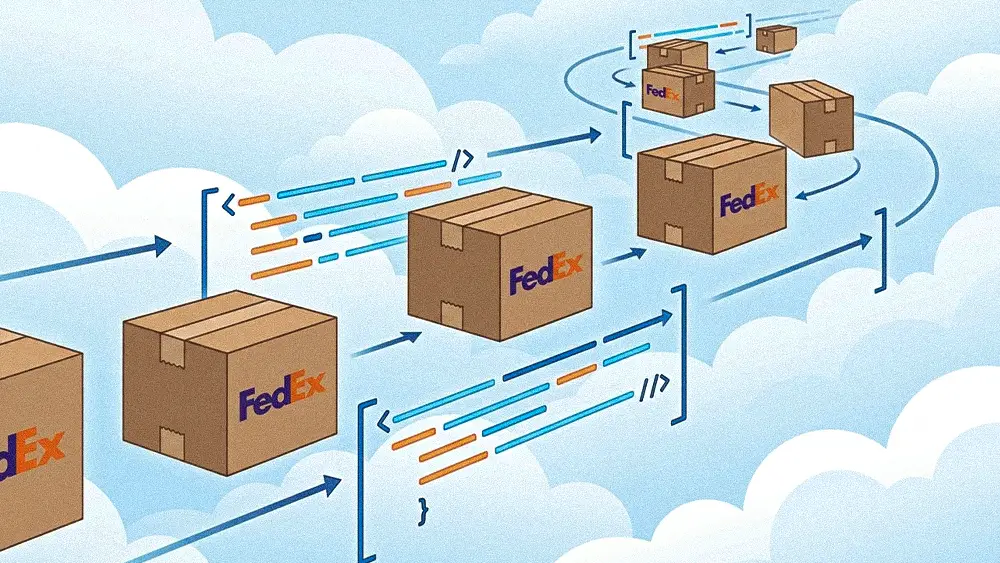
How FedEx is quietly turning 2 petabytes of daily shipping data into a business, and what that reinvention actually looks like underneath the headlines.
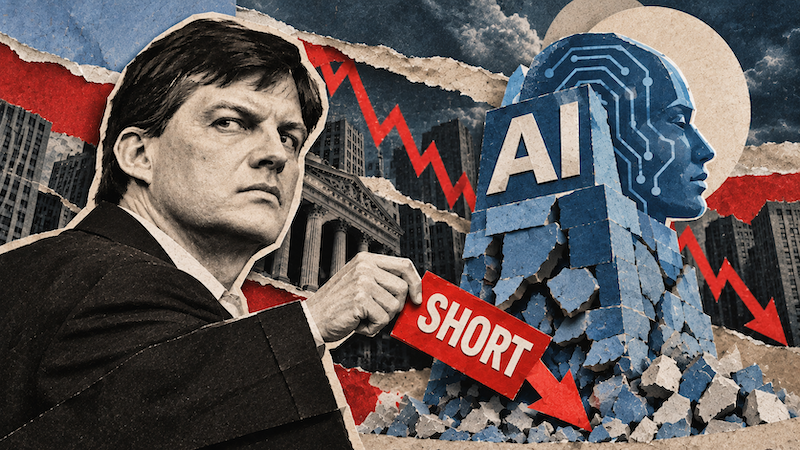
The investor behind The Big Short thinks the labs warning that AI is too dangerous to release are also the labs that profit when you believe it. He wants you watching one number instead.

A viral thread claims Gen Z insiders in San Francisco are years ahead of the mainstream on AI. National polling shows most of their peers use it about as much as last year and like it less.
Employee engagement has never been lower. Productivity has rarely been higher. AI is the reason those two numbers no longer move together.
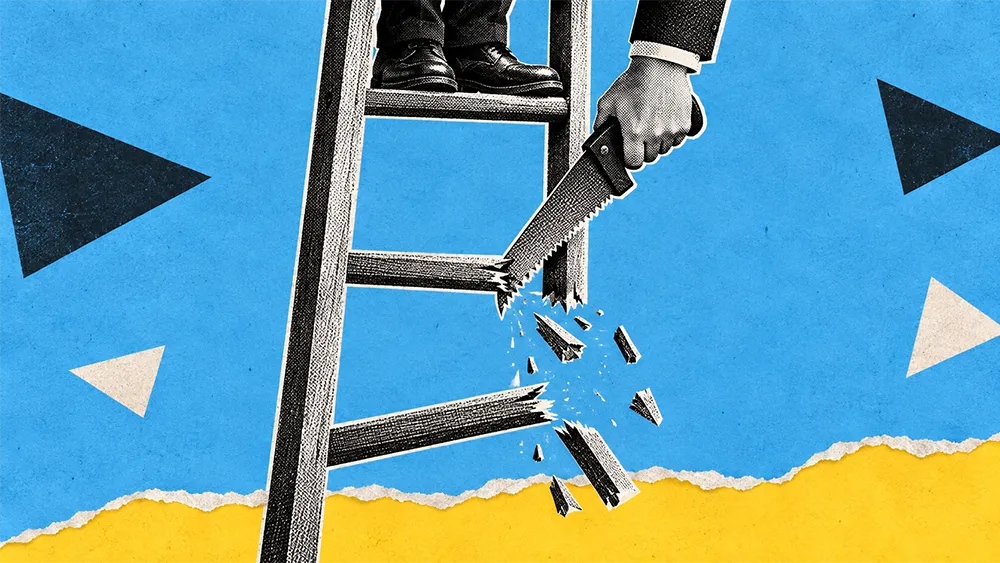
OpenAI built its new banking product with Morgan Stanley and Evercore. The work it does best is the work that used to turn a 22-year-old into a managing director.

The company's own numbers say the electrician wins and the office worker pays. That split shows up in every scenario it ran.
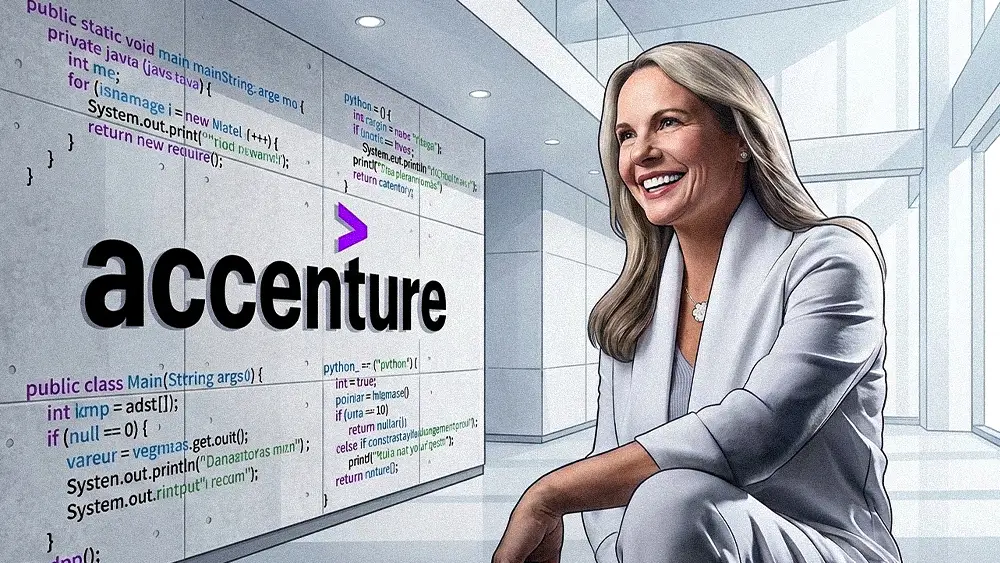
Emma Chalwin arrives October 1 from Workday, ten months after Jill Kramer left for Mastercard, into the worst stretch Accenture has had as a public company.
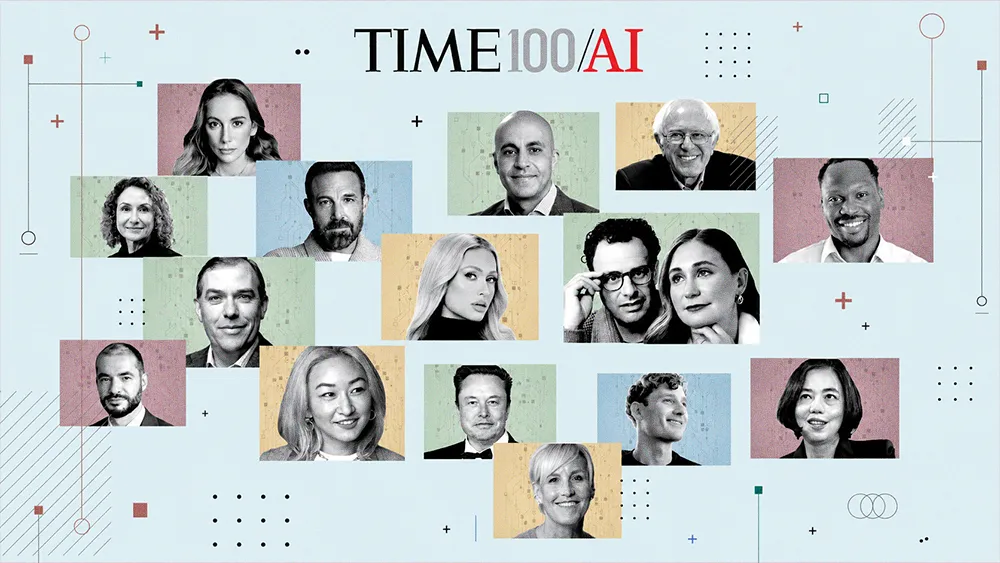
A snapshot of what the AI establishment believes about itself, assembled by a company that profits from the belief.
Anthropic asks candidates if they'd accept the stock going to zero. The question is unscripted, already leaked, and impossible to score the same way twice.
The joint venture is five weeks old and already consolidating smaller shops. Its first target is small AI services firm with Netflix and Pepsi on the client list.
The most-shared corporate AI story on the internet holds up in outline. The filings show what actually did the work, and why almost nobody can copy it.
Target named Chandhu Nair its first chief AI officer this week, a role that will report into the company's chief information and product officer rather than to the CEO.
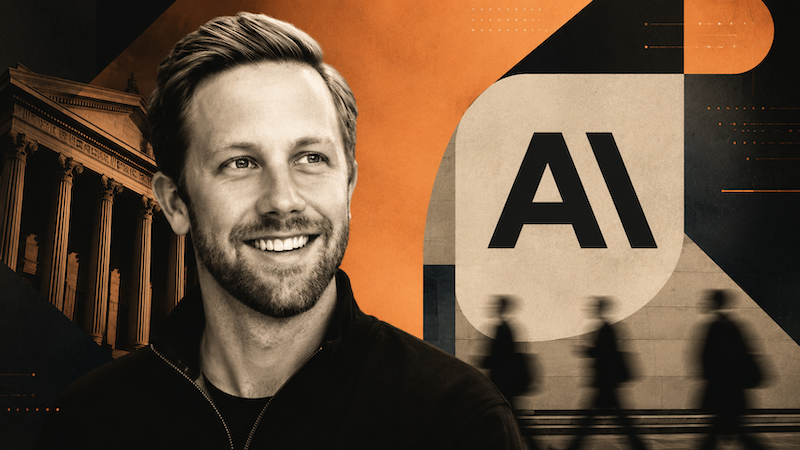
Tom Blomfield built one of Britain's biggest banks. Anthropic just hired him to solve a different scarcity problem: compute.

Starting January 1, 2027, SaaS and AI subscriptions sold into California will carry the same sales tax as furniture and appliances.
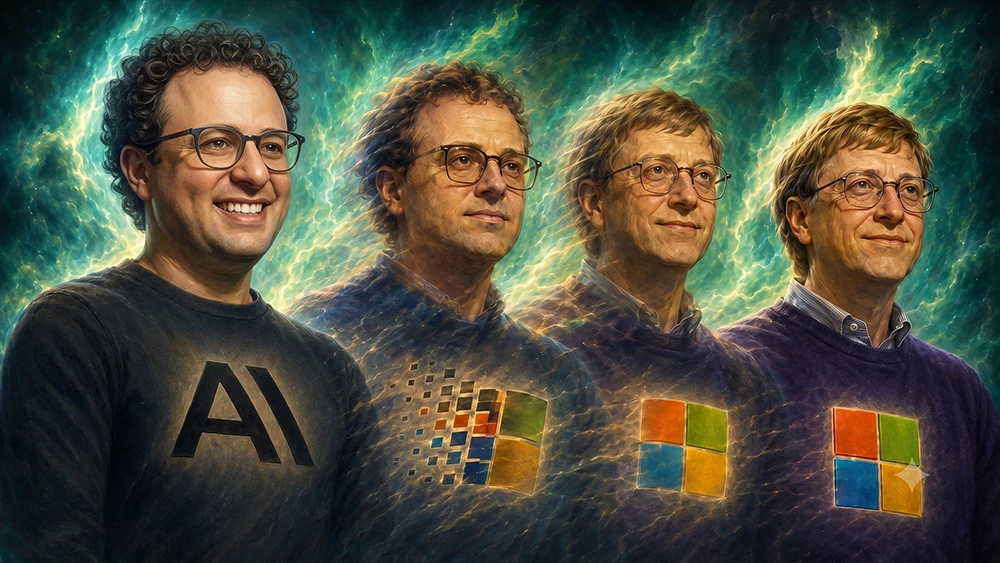
Anthropic, one of the most valuable AI companies in the world, file a trademark infringement and unfair competition suit against Abnormal AI on July 1st claiming that Abnormal AI copied Anthropic's slash-style logo.
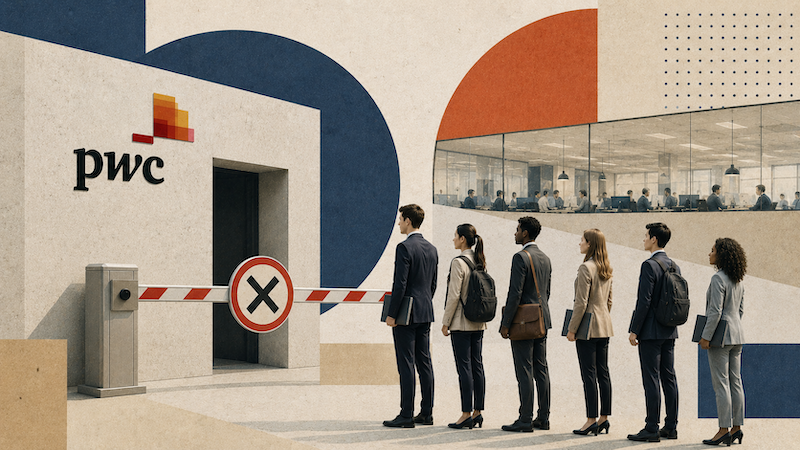
PwC analyzed more than a billion job ads and found that AI is reshaping junior roles rather than erasing them.
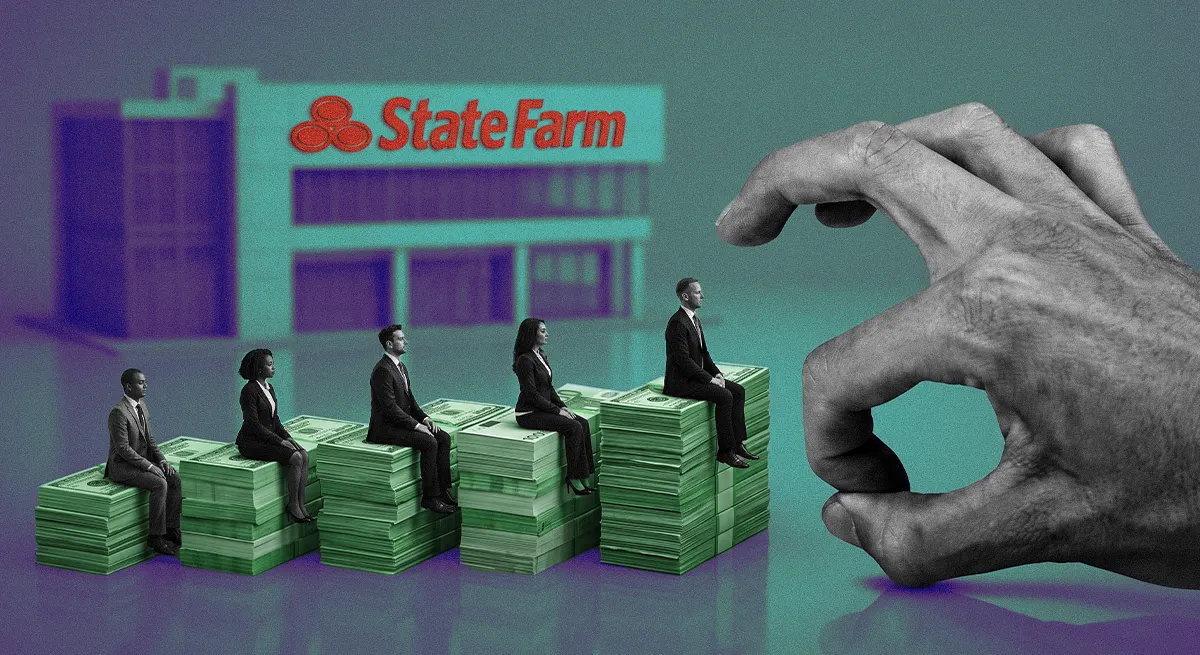
For decades, State Farm sold its agents on a simple promise: build a book of business and live off it for life. That promise is now gone, and what replaced it should make anyone who earns a living on commission sit up.

Every technology sells itself on a promise. The AI industry found something that worked better: a threat.
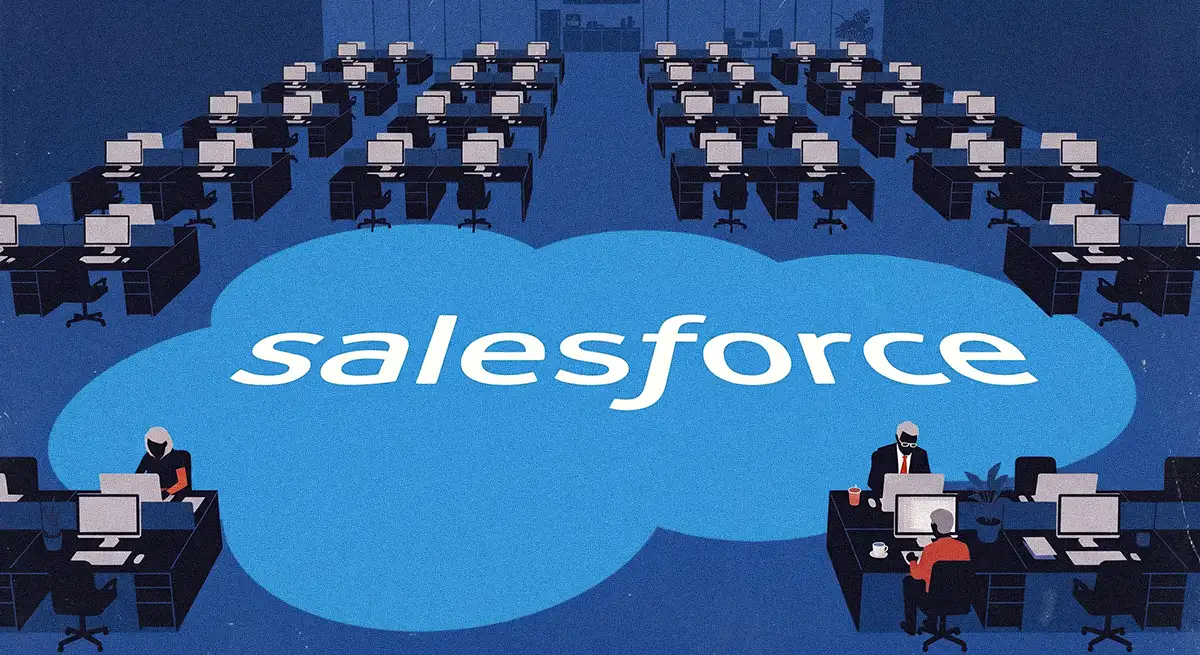
Ben McCarthy says Salesforce careers are over. The harder question is whether the same arbitrage is collapsing across Microsoft, ServiceNow, SAP, Workday and the system integrators that wire them together.
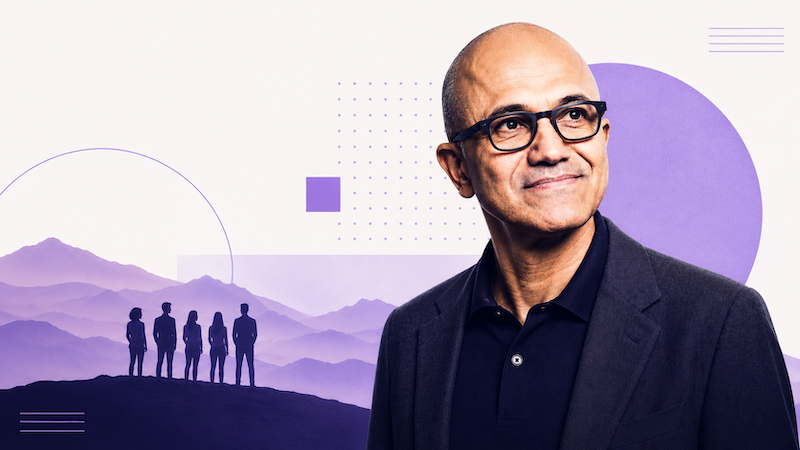
Microsoft's CEO argues that as AI capability grows, human judgment becomes more valuable, not less. But the part enterprises can't miss is what he says comes next.

Last week we left you with a puzzle. Fifty-three percent of Americans believe AI could put them or someone in their household out of work, even as unemployment sits near historic lows and the economy keeps adding jobs.
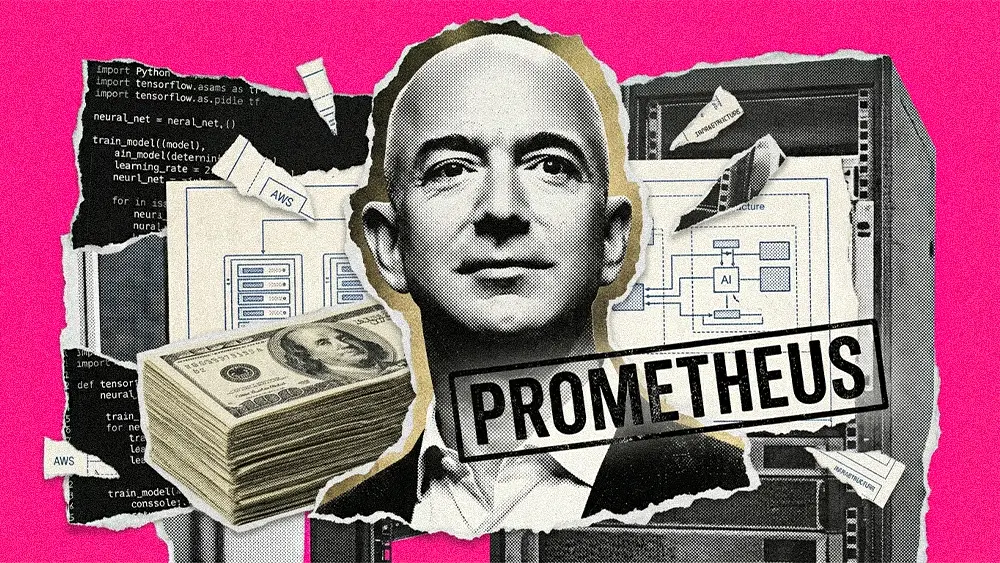
Jeff Bezos sat down with CNBC's David Faber on Thursday and did something he hasn't done since the company launched: he explained what Prometheus actually is.
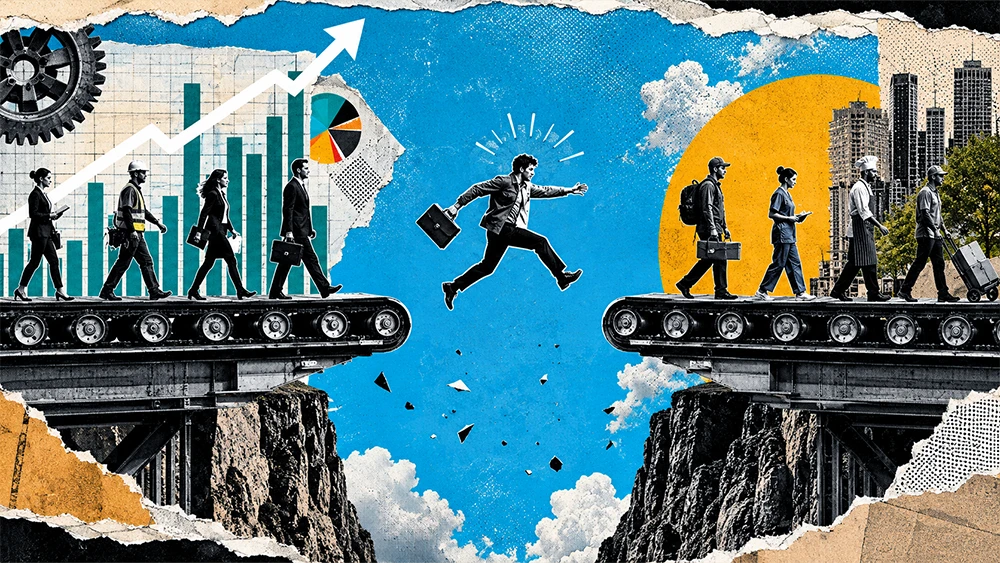
The unemployment rate is sitting near historic lows. The economy added 172,000 jobs in May. And yet a Reuters/Ipsos poll released this week found that 53 percent of Americans believe AI could put them out of work.
This week Meta announced America's Workforce Academy, a $115 million program to train welders, electricians, fiber technicians, and HVAC installers free of charge, with a guaranteed job at the end.
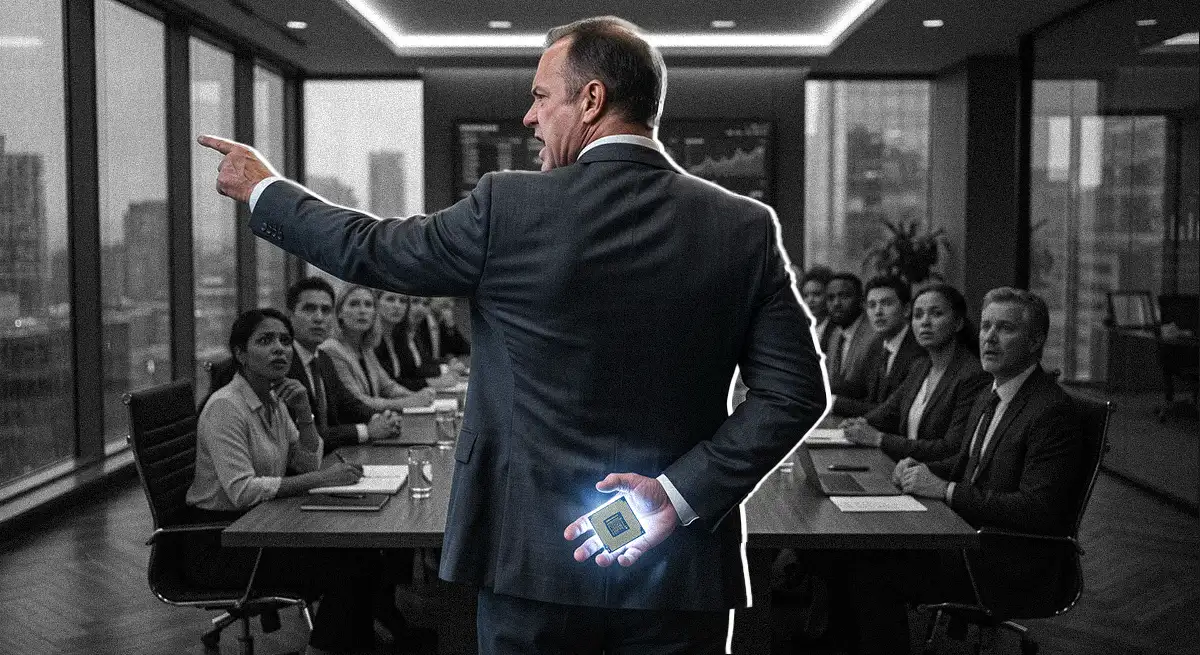
A growing share of managers now run hiring, reviews, and firing decisions past a chatbot. The way those tools are built makes them a bad fit for the job.
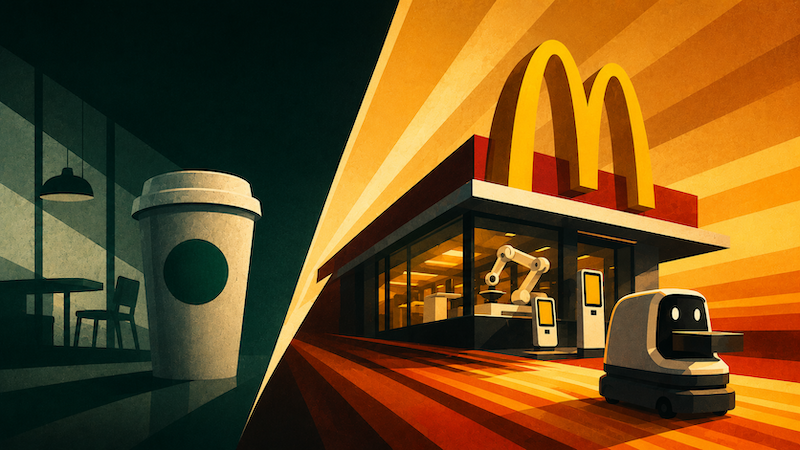
Starbucks just paid the price for scaling an AI tool before it was ready. McDonald's watched, then announced it is doing the same thing across 43,000 stores.
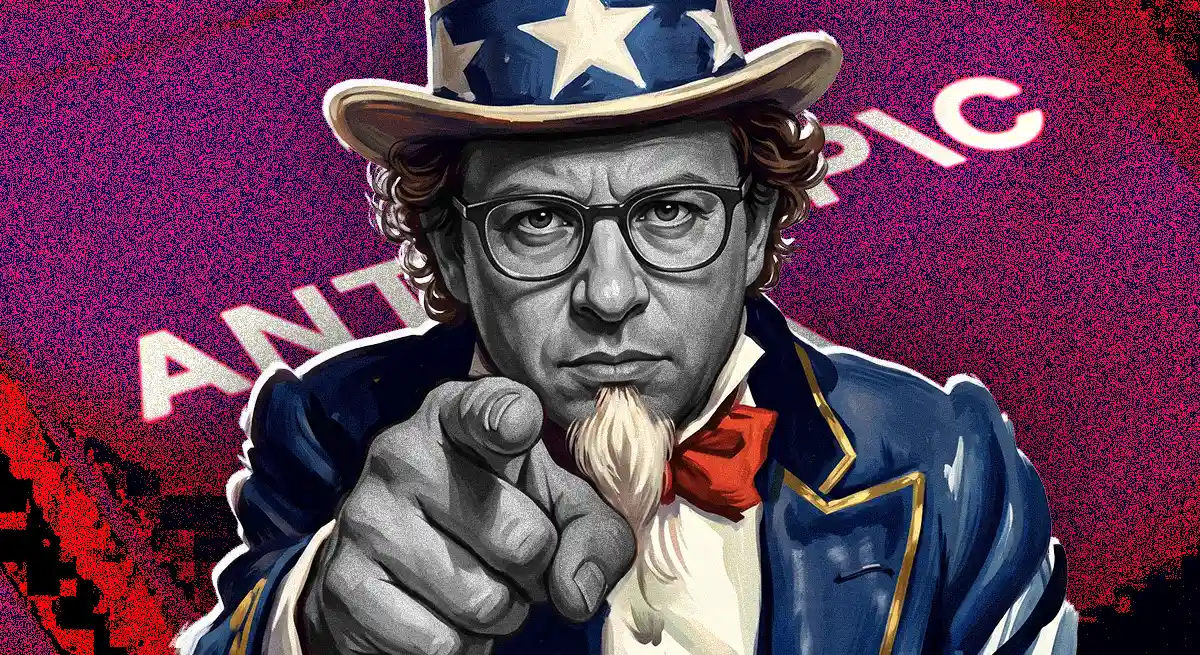
The job is real, the salary starts at $295,000, and the pitch is that the company's own technology could buckle the courts and the ballot box.

We lead with news, data, and what it means for the enterprise. We're opinionated when the numbers back it up. And we'll tell you when a launch everyone's celebrating doesn't actually matter for your stack.

The 2026 tech layoff count passed 111,000 across more than 140 companies before the end of May.

Stanford's AI Index findings on transparency, convergence, and sentiment all point in one direction: brand is the hardest advantage to build and the hardest to replicate.

It's not a skills gap. It's a standards gap. AI adoption is nearly universal, but almost no one has built the systems to govern it. Brands are fragmenting from the inside, and most CMOs don't see it coming.
Most B2B brand teams are optimizing for one audience while a second, faster-growing one forms impressions of their brand in conversations they can't see.
Most enterprise marketing teams have an AI adoption mandate but no governance for what those tools produce, and the gap is already causing campaign errors, compliance risk, and slower workflows.
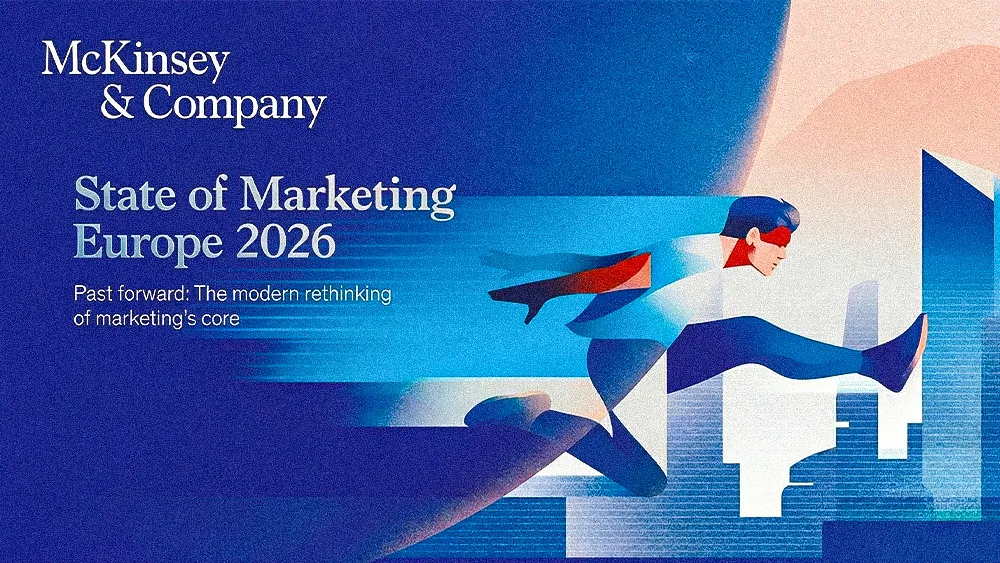
McKinsey found that CMOs are winning with AI, but very few can demonstrate ROI on more than half of their marketing spend.
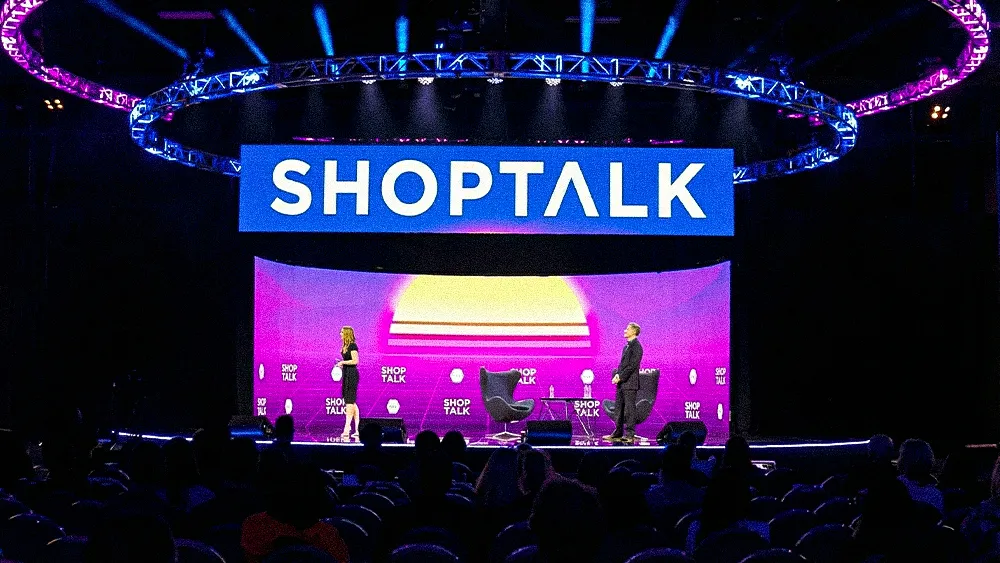
At Shoptalk 2026, the gap between onstage AI ambition and offstage reality was hard to ignore, with more than half of organizations still operating without clear governance for marketing campaigns.