Anthropic's Claude Tag Bets That AI's Future Is a Teammate, Not a Tab
Claude Tag launched today in beta. It lives in your channels, takes a task straight from a conversation, and works it in the background. The shift that matters is in how the work moves, not in the demo.



If this caught your attention, that’s not accidental.

The best editorial systems don’t happen by accident. Outlever builds them.

Claude Tag launched today in beta. It lives in your channels, takes a task straight from a conversation, and works it in the background. The shift that matters is in how the work moves, not in the demo.
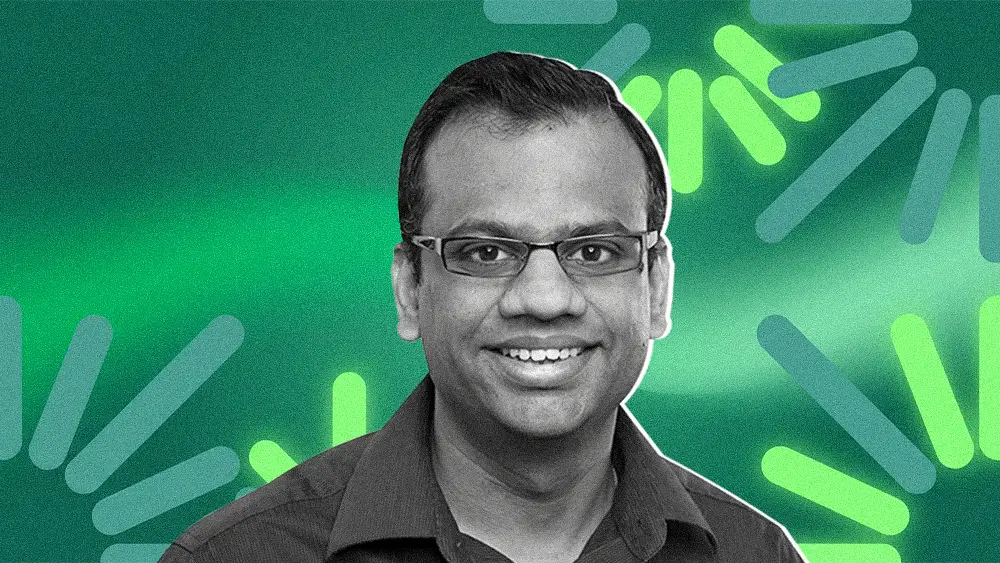
Anthropic launched Claude Tag (@Claude) today, and it wants you to stop thinking of Claude as something you open. Tag it in a Slack channel the way you would tag a colleague, hand it a task in plain language, and it breaks the work into stages, runs through them with the tools it has been given, and posts back in a thread when it is done. "This is how Anthropic builds now," CTO Rahul Patil wrote in a post on LinkedIn.
The product is in beta for Claude Enterprise and Team customers, runs on Opus 4.8, and replaces the company's existing Claude in Slack app, with a 30-day window for admins to migrate.
You tag it like you'd tag a coworker
What separates it from a chatbot bolted onto Slack is that it is multiplayer. There is one Claude per channel, not a private session per person. Anyone in the channel can tag it, see what it is working on, and pick up where someone else left off. It holds context as it follows a channel, so people stop re-explaining the same background every time they ask for something.
Turn on "ambient" behavior and it goes further. It watches the channels it is in, schedules its own follow-up work, flags information it thinks you need, chases threads that have gone quiet, and reacts to events from connected tools like GitHub.
An agent that runs on its own keys, never yours
The governance answers ship in the box, which is the part enterprise buyers will read first. Administrators decide which tools, data, and repositories Claude can touch, and in which channels. It runs on its own credentials rather than a team member's. Every action it takes is logged. It does not read from private channels.
Anthropic is using itself as the proof
The company says 65% of its product team's new code is now written by an internal version of Claude Tag, and that its engineers are shipping roughly eight times the code per quarter they were a few years ago. Slack is the first surface. More are coming.
This was never really about Slack
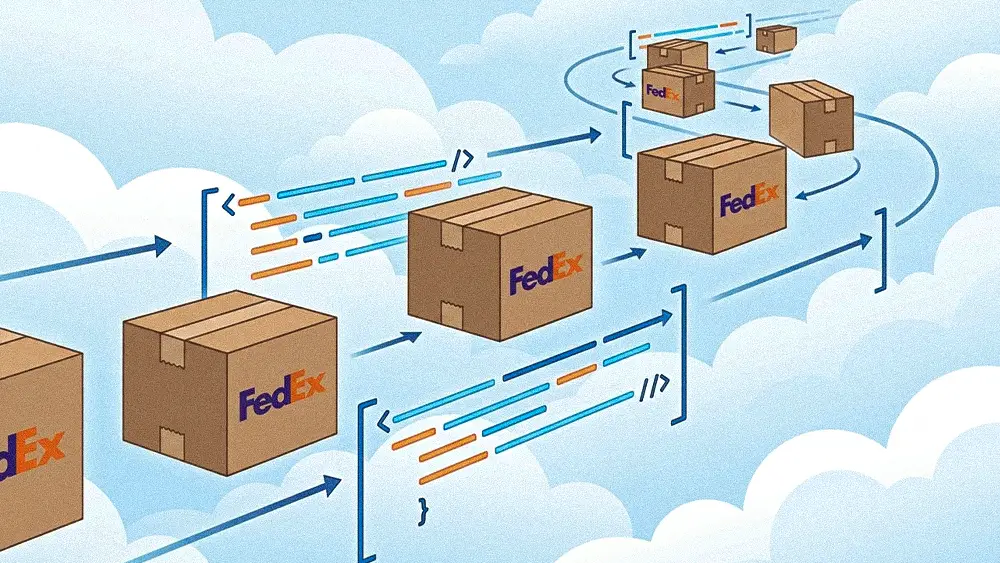
The launch is not really about Slack, and it is not really about that 65% figure, striking as the number is. It is about a different model of work. A task can be picked up from an ordinary conversation, pushed forward in the background while everyone moves on to something else, and returned with a result. That is a long way from the chatbot-in-a-tab pattern most companies are still testing, where a person stays in the loop, pastes the context in, and copies the result back out.
If that model holds, capability stops being the constraint on enterprise AI. The weight moves to governance, to trust, and to the judgment call of which work should be delegated to an agent at all. Anthropic has clearly done the work on the first part. Scoped permissions, dedicated credentials, and full audit logs are exactly what a security team asks for before letting an autonomous teammate near a codebase or a customer channel. The second part, deciding what to hand off in the first place, is the one no vendor can configure for you.
The hard question is no longer what Claude can do
Claude Tag is in beta today on Slack for Enterprise and Team customers, and Anthropic says more surfaces are coming. Two things will decide how far it travels. Whether teams trust an agent enough to let it act on its own credentials in the channels where real decisions get made. And whether they can answer the harder question Anthropic has now put in front of every customer: not what Claude can do, but what you are willing to hand it.
If this caught your attention, that’s not accidental.

The best editorial systems don’t happen by accident. Outlever builds them.

Get the latest AI insights first.
Sign up for updates, interviews, and fresh analysis on how AI is reshaping business, brands, and technology.