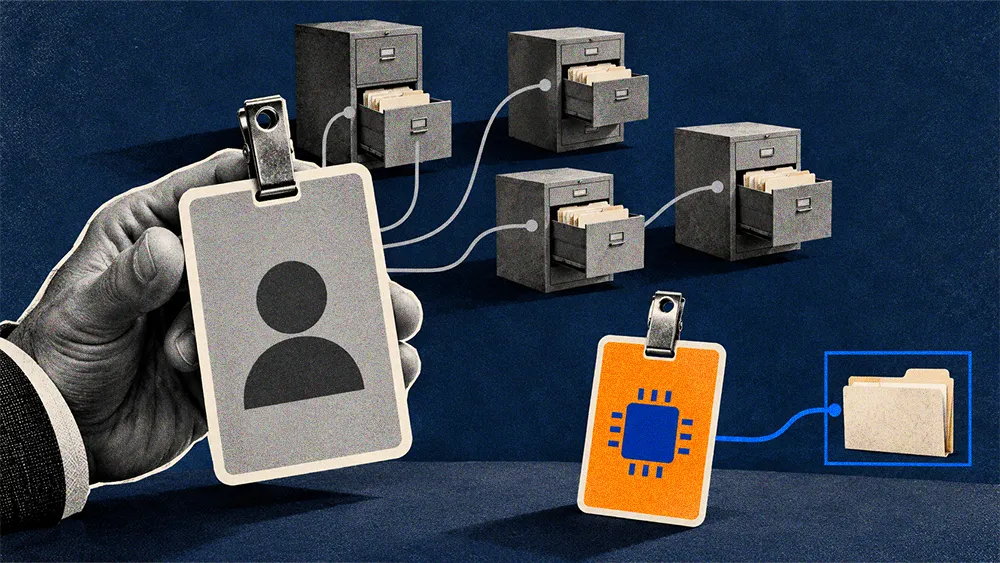

Talent in media and adtech requires the same skill set as software, but a different type of tenacity, planning, and market responsiveness.
 Wael SabraFounder + CEO @ SiiRA
After generative AI tools reached the public, hiring of workers aged 22 to 24 in the most AI-exposed industries fell about 9%, and employment for that group declined 12% over the following ten quarters. In a recent employer survey, nearly a third of respondents said they've raised experience requirements for entry-level roles, and 38% said they've automated basic data processing out of those jobs. Those numbers describe the market as a whole, and the pressure lands differently depending on the industry. In media and adtech, one client can reopen a build the team considered finished. Companies there need people who can take that interruption and keep the work moving.
Wael Sabra is the Founder and CEO of SiiRA, a global talent platform that recruits, onboards, and manages vetted remote professionals for US companies. Of the industries SiiRA hires for, Sabra counts media, adtech, and telecom as the furthest along with AI. Those industries give him an early look at how AI changes what companies need from a new hire.
"Talent in media and adtech requires the same skill set as software, but a different type of tenacity, planning, and market responsiveness," says Sabra. Those three qualities are harder to screen for than a technical skill, and Sabra puts more weight on them than on a candidate's skill list.
Built around the client
From Sabra's perspective, advertising, adtech, and communications are service businesses, and he describes what that means for a team once its product is out with clients. "You may spend months building a product, then get hit by the reality of that one client who's asking for one specific thing and a change in the product," he explains. "The software industry would usually ignore this ask, but in adtech, you have to listen to every client."
Specific client requests like these land on the people who build and run the product, and Sabra sees AI changing how a team meets them. "The rise of service as software, the new SaaS that AI enables, is the right way to think about the industry," he notes. "The talent side requires its own attention and care when considering who to add to the team."
The AI-forward hire
On the talent side, 74% of employers surveyed call AI skills a strong advantage or an outright requirement, and 64% say AI is changing the skills they look for. Sabra's answer to the responsiveness his verticals demand is a particular kind of candidate. "It's not magic you're after, it's attitude," says Sabra. "Hiring for attitude is more important than ever, and it's the right signal to look for."
Sabra defines attitude as a candidate's willingness to take on new tools and try a different way of working, something a candidate can have before they've learned every skill a job requires. "The candidate who stands a step above the rest is the one who's AI-forward and has used AI to solve a multitude of problems," he adds. "They don't let traditional barriers of skill set get in the way."
Legacy skills and new grads
Some roles in Sabra's industries depend on knowledge of older systems, and companies filling those roles may look for candidates who already have that expertise. "I'd caution against over-indexing on skill set, no matter how legacy the skill set needed is," he says. "The key is to plan ahead, allow time for learning, and allow space for experimentation so things can be done differently."
Hiring of workers in their early twenties has dropped in industries exposed to AI, but Sabra takes a different view of that group. "I really believe juniors and fresh grads have an edge," he concludes. "They don't come with the 'way we've always done things' baggage, but with a new way of thinking that accomplishes the result in a much more straightforward way."