AI Companies Spent Three Years Selling Fear. Their Bankers Want It Toned Down Before the IPO.
Every technology sells itself on a promise. The AI industry found something that worked better: a threat.


If this caught your attention, that’s not accidental.

The best editorial systems don’t happen by accident. Outlever builds them.

Every technology sells itself on a promise. Faster, cheaper, smarter, yours. The AI industry tried that for a while, then landed on something that sold harder than any promise: a threat.
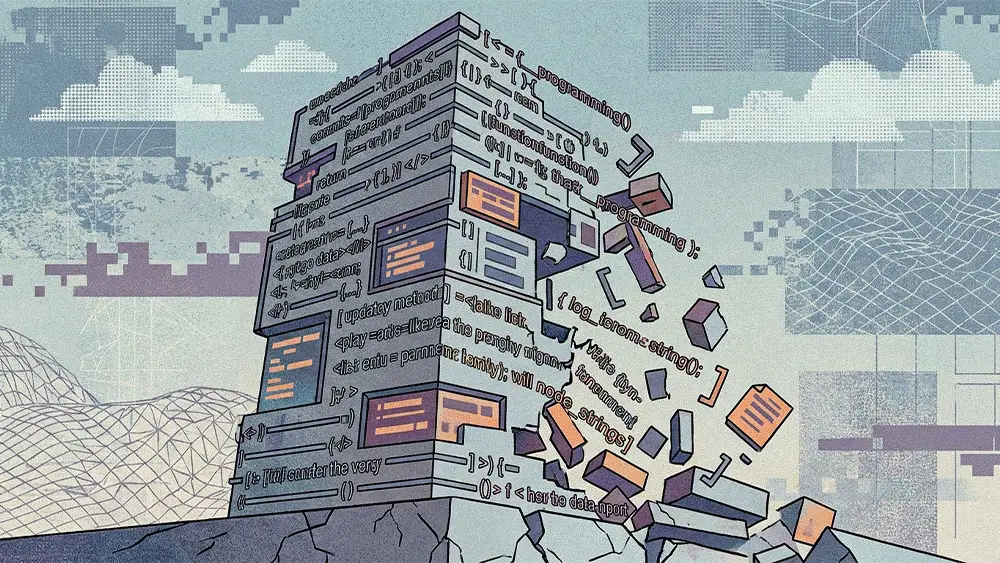
For three years the most valuable private companies in the world ran a campaign with a strange center of gravity. The headline message was not what the product could do for you. It was what it might do to all of us. The technology was powerful enough to reshape every job, rewire every industry, and possibly end the species, and you were meant to hear that from the people building it, voices appropriately heavy. In 2023, the chief executives of OpenAI, Google DeepMind, and Anthropic signed a one-sentence statement putting the risk of human extinction from AI on the same shelf as pandemics and nuclear war. It is hard to name another industry whose leaders introduce themselves by warning that the product might kill everyone.
Taken as a safety warning, the statement is alarming. Taken as marketing, it is one of the sharpest positioning moves the technology industry has ever made.
The warning was the demo
Danger is a power claim. When a founder says his model could be catastrophic, the word the market hears is not "careful." It is "catastrophic," which is just another way of saying this thing is enormous, inevitable, and larger than anything anyone has sold you before. A doomsday risk is, by definition, a claim of world-historical capability. You cannot end civilization with a feature.
So the warning did the job a product demo usually does. It established scale, and then it did something no demo can: it conferred seriousness. Fear is the most credible emotion in the room. A company shouting about upside sounds like it is selling. A company soberly warning about its own downside sounds like it is telling the truth. The doom register let these companies market at full volume while sounding like the only adults willing to level with you.
The apocalypse premium
The fear was also worth money, in a fairly direct way.
Call it the apocalypse premium: the valuation and attention uplift a company earns by positioning its product as dangerously powerful rather than merely useful. If the technology is world-ending, then the total addressable market is, quietly, everything: every job, every workflow, every line of headcount. The doom narrative did not only describe the product. It sized the category, and it sized it at infinity. That framing underwrote the arms-race fundraising, the near-trillion-dollar valuations, and a press cycle that treated every model release as a geological event.
For a while it was free marketing with a premium attached, and nobody had to pay the premium.
Then the audience took them at their word
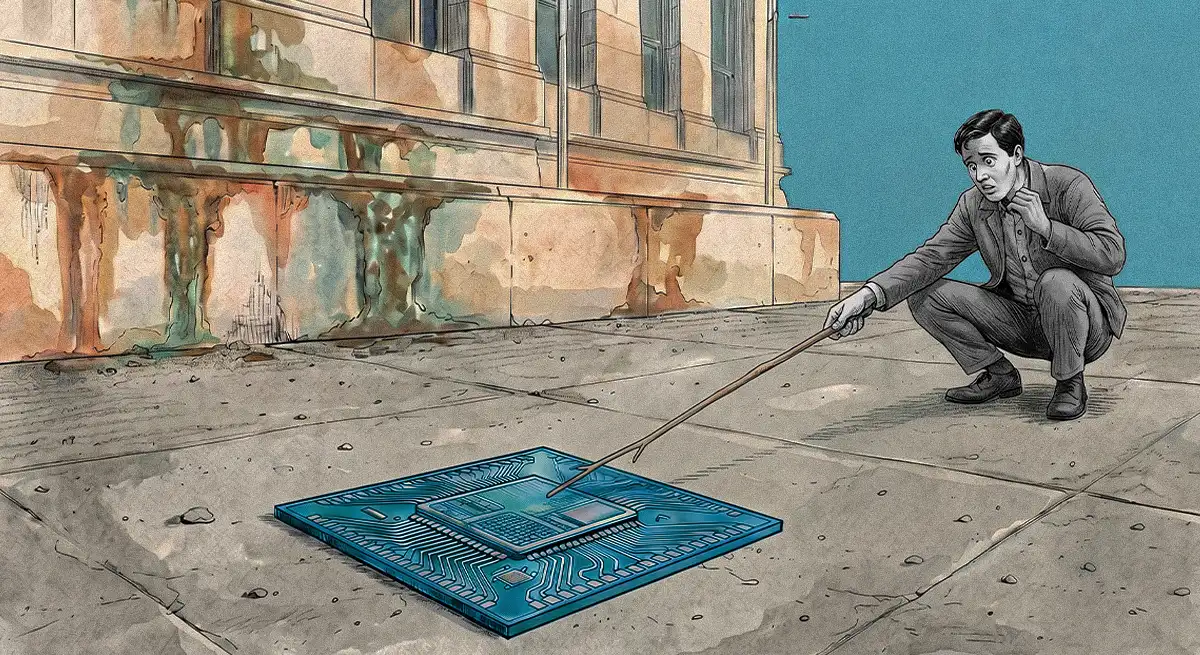
The trouble with telling people your product is dangerous for three years is that, eventually, they believe you.
A Quinnipiac poll released this March found the share of Americans who think AI will do more harm than good in their daily lives climbed from 44 percent to 55 percent in a single year. Trust in AI-generated information sits near the floor. The campaign worked exactly as designed. It built belief in the power and belief in the threat, and the public, being reasonable, kept both halves.
The fear got pervasive enough to colonize the op-ed pages. Last December, Khan Academy founder Sal Khan used a New York Times op-ed to warn that AI would displace workers at a scale most people had not yet grasped. Cal Newport, the Georgetown computer scientist and New Yorker writer, has spent the past year pressing one question against all of it: says who? Strip out the prophecy, look at what the products actually do this quarter, and the distance between the warning and the reality is wide enough to drive a Waymo through, slowly, while it hunts for the pickup spot.
Menace has a half-life
None of this means the original strategy was a mistake. It was probably the right call for its moment. Menace can be magnetic, and plenty of categories run on a controlled dose of it, from spirits to motorcycles to energy drinks. Danger signals seriousness and refuses to be boring.
But borrowed menace has a half-life, and the variable that governs it is simple: who do you need to trust you, and when. Danger sells beautifully to people who want to feel early. It sells terribly to a procurement officer whose entire job is to not get fired for choosing a reckless vendor. The labs built a vision-stage brand on awe and dread, and they now have to run a revenue-stage business, and an IPO, through it. The doom story and the enterprise sales motion have started fighting in public, and the doom story is losing, because it has to.
This is why, as the bankers circle, the message is quietly being sanded down. Newport reports that the more sober investors around these companies have begun asking founders, off the record, to stop terrifying the customers they need to actually buy the thing. Nobody making that request is worried about safety. They want brand cleanup before the roadshow. Watch the same industry that spent three years invoking extinction pivot, on cue, toward restraint, reliability, and trust, the vocabulary of a vendor that would like to be expensed, not feared. The apocalypse has been reclassified, internally, from differentiator to liability, with no press release.
What the fear costs everyone else
The bill does not stop at the labs. It lands on the whole category, and on every brand standing near it.
When the defining companies in a market spend years training the public to distrust the technology, that distrust does not stay politely contained to a few logos. It pools around the entire category, and any company now trying to sell an AI feature is selling into a room that has been told, by the experts who built the thing, to be afraid of it. The doom narrative manufactured demand for the idea of AI and suspicion of the reality of it, and both now arrive at the buyer in the same breath.
For everyone who does not run a frontier lab, the temptation is to borrow the incumbents' frame because it is loud and already built. Resist it. Borrowed doom hands your narrative to someone else's mythology and saddles you with a liability that is already starting to default. The more durable move is the boring one the labs skipped: position around what the technology does for the customer in front of you this quarter, and treat trust as the asset you will need when the selling gets serious. Awe is cheap to rent but impossible to keep, while trust takes far longer to earn and is the only one of the two a company ever really owns.
After the apocalypse
The path from here is fairly predictable. The fear vocabulary gets quietly retired, not because anyone admits it stopped being true but because it stopped being useful. "Existential" gives way to "enterprise-grade." The founders who warned about extinction start talking about uptime and compliance, and the trade press narrates the pivot as maturity.
It is maturity, of a kind. It is also the most expensive brand reposition in tech, because the audience has a longer memory than the messaging strategy assumes. You do not get to spend three years as the company that might end the world and then, the quarter before the IPO, become the company that tidies your inbox. People remember the first pitch. Fear is unusually sticky, which is exactly why it sold so well and exactly why it will not rinse off on the schedule the strategy assumes.
The doom was a great pitch. It just carried the expiration date every pitch built on fear carries: the day the audience decides to believe you.
If this caught your attention, that’s not accidental.

The best editorial systems don’t happen by accident. Outlever builds them.


Get the latest AI insights first.
Sign up for updates, interviews, and fresh analysis on how AI is reshaping business, brands, and technology.