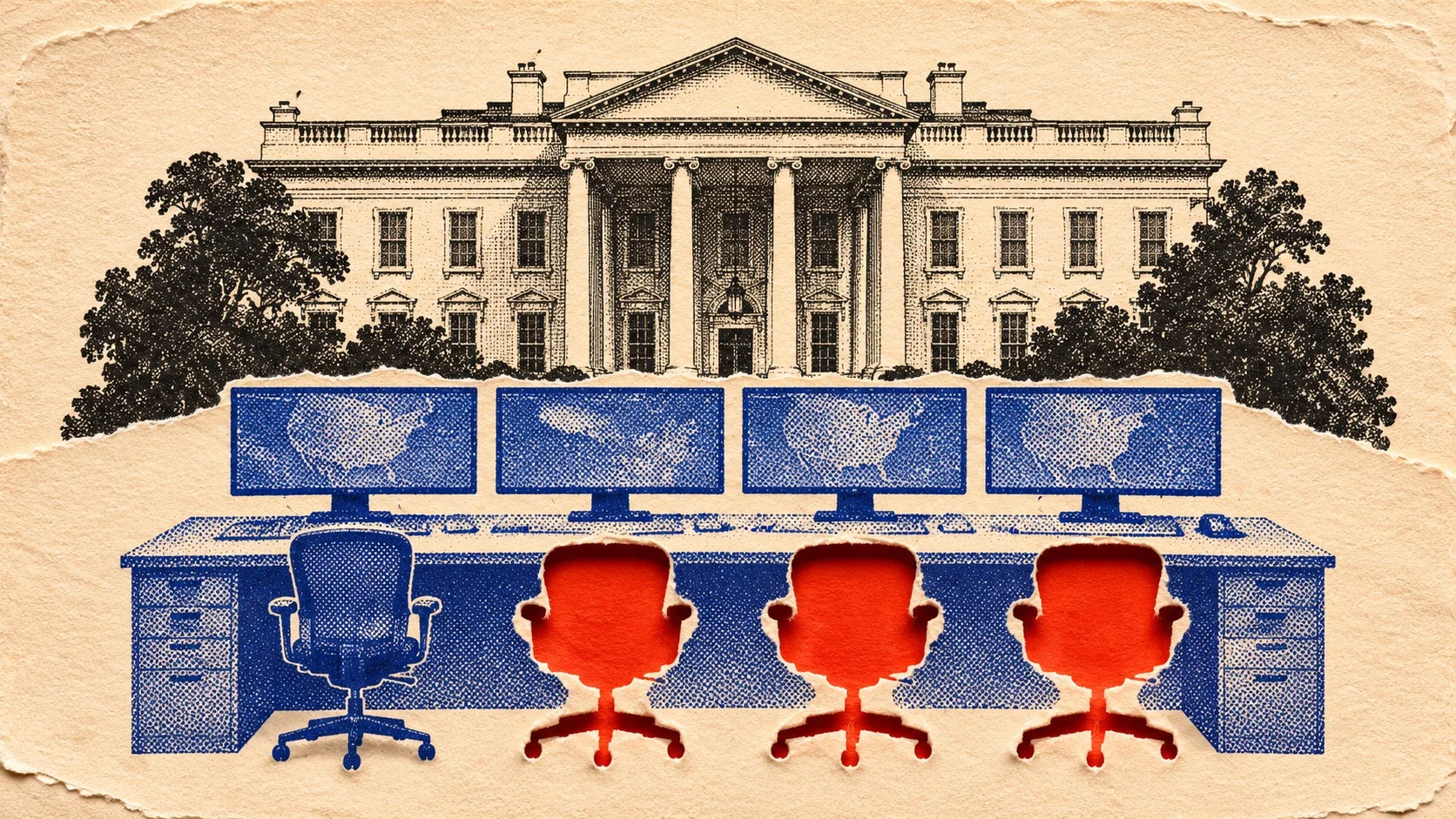
On Thursday, the White House picked Kirsten Davies, the Pentagon’s chief information officer, to replace Sean Cairncross as acting national cyber director, Reuters reported. In the space of a week, a ground stop had delayed flights across the country, Chase customers had trouble getting into their accounts, and an outage had disrupted classified communications at the National Security Agency, according to the New York Post.
Davies will coordinate federal cyber policy from the White House. The people who work directly with utilities, hospitals and banks are mostly elsewhere in government, including at Homeland Security’s Cybersecurity and Infrastructure Security Agency. By December 2025, the CISA division responsible for those outside relationships had lost 96 of its 189 employees, according to a House hearing record.
Where AI fits into the outages
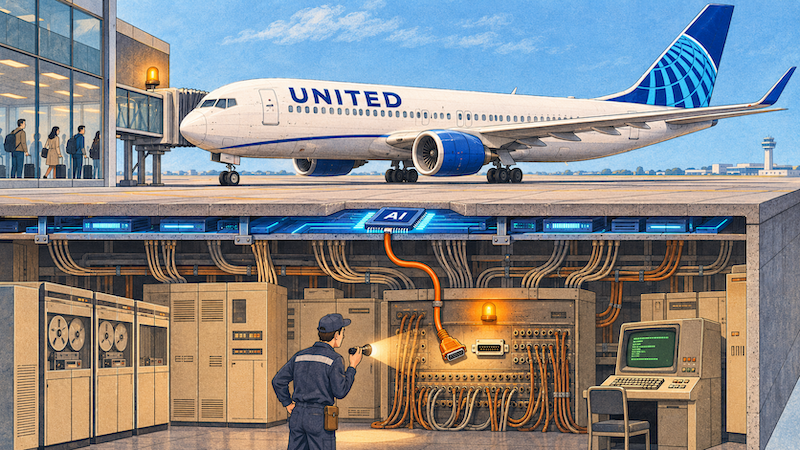
When the FAA grounded flights, we initially covered the possibility that its new AI traffic-planning tool was involved. Transportation Secretary Sean Duffy later described a contractor replacing a router at a remote FAA site during a switch from copper wire to fiber. The new router started flooding other routers on the network, as we reported in our coverage of the bank outages. Microsoft traced its own outage to a defect in a cloud gateway. The NSA’s network went down during routine maintenance, Federal News Network reported.
Joe Lin, who runs the cybersecurity company Twenty, told Axios that AI tools are finding software flaws faster and companies are rushing to patch them. That could help explain why so many systems needed work in the same week. Whether an AI tool prompted any particular repair is still unclear. Federal officials said they saw no indication of a coordinated attack, and a White House official told The Atlantic that keeping more people at CISA would not have prevented the outages.
Who was left to work with the hospitals and utilities?
At the House hearing, retired Rear Adm. Mark Montgomery described one job the people who left CISA used to do. They negotiated the agreements that let a company share information about a threat with the government. He was especially concerned about rural hospitals and public utilities. Some could barely cover the cost of basic IT, let alone pay for the help they’d been getting through federal programs.
CISA announced plans in March to hire more than 300 people. By August, five House Democrats were asking federal auditors which services had changed and what the banks, hospitals and other operators using them had noticed. Meanwhile, the administration’s budget proposal for fiscal 2027 called for eliminating nearly 900 CISA positions.
In June, Homeland Security Secretary Markwayne Mullin told lawmakers it would take roughly a year, possibly longer, to rebuild the agency’s workforce once the Senate confirmed a director. On Thursday, hours before the White House named Davies, the Senate was holding Michael LoSapio’s confirmation hearing for that job.