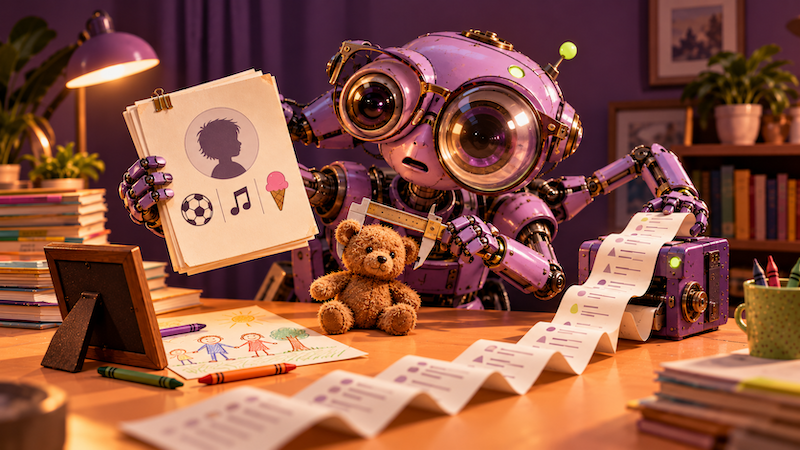
A teacher asked Marissa Mayer for three bullet points about what makes her daughter special. Most parents would have trouble stopping at three. Mayer opened an app.
The app was Dazzle, the AI assistant she launched in late September, and in a New York Times profile this weekend she described how it combed through her photos and returned a verdict on her nearly 10-year-old: empathetic, creative and an animal lover. Mayer called it perfect.
The internet disagreed, loudly. Most of the anger has landed on Mayer as a mother, which is the least interesting part of the story and the part most likely to be forgotten by Friday. What deserves to stick is the product, and what it tells us about where consumer AI is heading.
The race for context
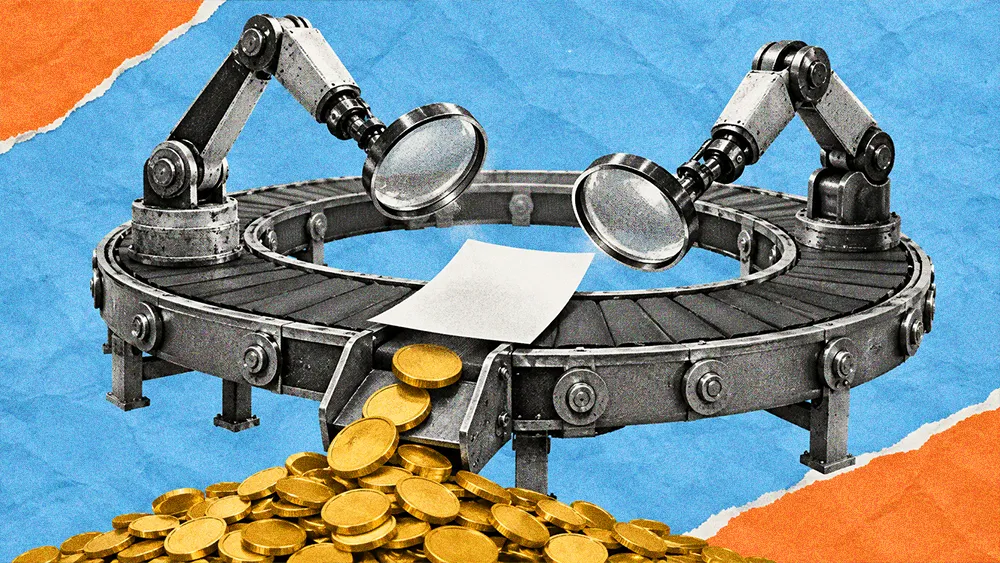
Every company building an AI assistant has hit the same wall. The models are good enough now. What they lack is you. An assistant that doesn't know your life can't do much with it, so the real competition in consumer AI this year is over context: who gets to read your email, your calendar, your messages, your files.
Most of the field went after the inbox. Dazzle, backed by an $8 million seed round led by Forerunner's Kirsten Green, went somewhere more intimate. Where Meta's Muse, Instinct and a crowd of lookalikes lean on text, Dazzle builds its whole picture of you from your camera roll. Mayer told TechCrunch that people would be surprised how much it can learn from their photos. She meant it as a promise.
In a narrow sense it's a smart bet. A photo library is the richest personal dataset most people own, and the one they've thought least about handing over. It is also, for anyone with kids, mostly a record of their kids.
The user nobody asked
Mayer's own story shows what that looks like in practice. Answering critics on X, she said Dazzle hadn't just described her daughter, it had also pulled up projects from kindergarten to back up its read. She offered that as a selling point. Read it again as a parent. Five years of a girl's life, scanned and boiled down into a character assessment by a startup's model, at an adult's request.
Her daughter didn't sign up for Dazzle. Neither will the children in the camera roll of every parent who does. American children's privacy law is largely built around services that collect data from kids directly, and an assistant that learns about children through their parents' phones sits in a gap those rules weren't written for.
Mayer has been here before. Her last company, Sunshine, launched with a contacts app that went nowhere amid privacy concerns and was downloaded about 1,000 times on Google Play. Before anyone hands Dazzle a decade of family photos, its users deserve plain answers to basic questions: what it keeps about the kids it profiles, for how long, and what else its model concludes about them that it never says out loud.
Five years of photos, three greeting-card adjectives
Then there's the answer itself. Empathetic, creative, animal lover. Put aside whether it's accurate; it also describes a healthy share of every fourth-grade class in the country. Psychologists call this the Barnum effect, after the showman: descriptions loose enough to fit almost anyone feel personal to whoever reads them. Horoscopes run on it.
Ask a parent the same question and you get something no model would write. The kid who can play a song by ear after hearing it once. The one who is brilliant at math and furious about how the worksheet wants it done. Details like that are what personal actually means, and Dazzle, holding a child's entire photographic history, came back with a fortune cookie.
That should bother anyone watching where this industry is going. Personalization is consumer AI's favorite word right now, and the pitch for giving an assistant more of your life is that it will understand you better in return. Mayer's own showcase suggests the trade can run the other way. The company gets the most intimate data you have. You get boilerplate in a confident voice.
Her defense, and why it doesn't hold
Mayer has pushed back, arguing that the school asked for bullet points and Dazzle simply did the job well. Some of the reaction has been ugly in a way that's hard to picture aimed at a male founder. Strangers have told her she shouldn't be a parent. She deserves better than that. Her product deserves tougher questions.
According to several accounts of the interview, Mayer said she drew a blank and found the task harder than expected. Plenty of parents have had that moment, and a teacher's question like this one exists for exactly that reason. It makes you stop and think about your kid, maybe out loud, maybe with her in the room. Dazzle's answer to that pause is to fill it for you.
None of this is accidental. Mayer is pitching Dazzle at busy women and at the parts of family life she says turn from fun into a slog, like picking a Halloween costume or a theme for a child's birthday party. Some of those really are chores. Knowing your daughter isn't one of them.
What we're signing up for
Over the next year, consumer AI is going to push into the most private corners of our lives, because that's where the context is and context is where the money is. Some of it will be welcome. Nobody is going to mourn retyping a soccer schedule off a flyer.
But the companies doing the pushing are deciding, one product at a time, which parts of family life count as friction. Parents get to draw their own line. They should at least know what's on the other side of it: an assistant that studies their children's childhoods through their photos, then reports back that their daughter likes animals.